Story code: ST-001289
Part 2: The Grandfathered Title
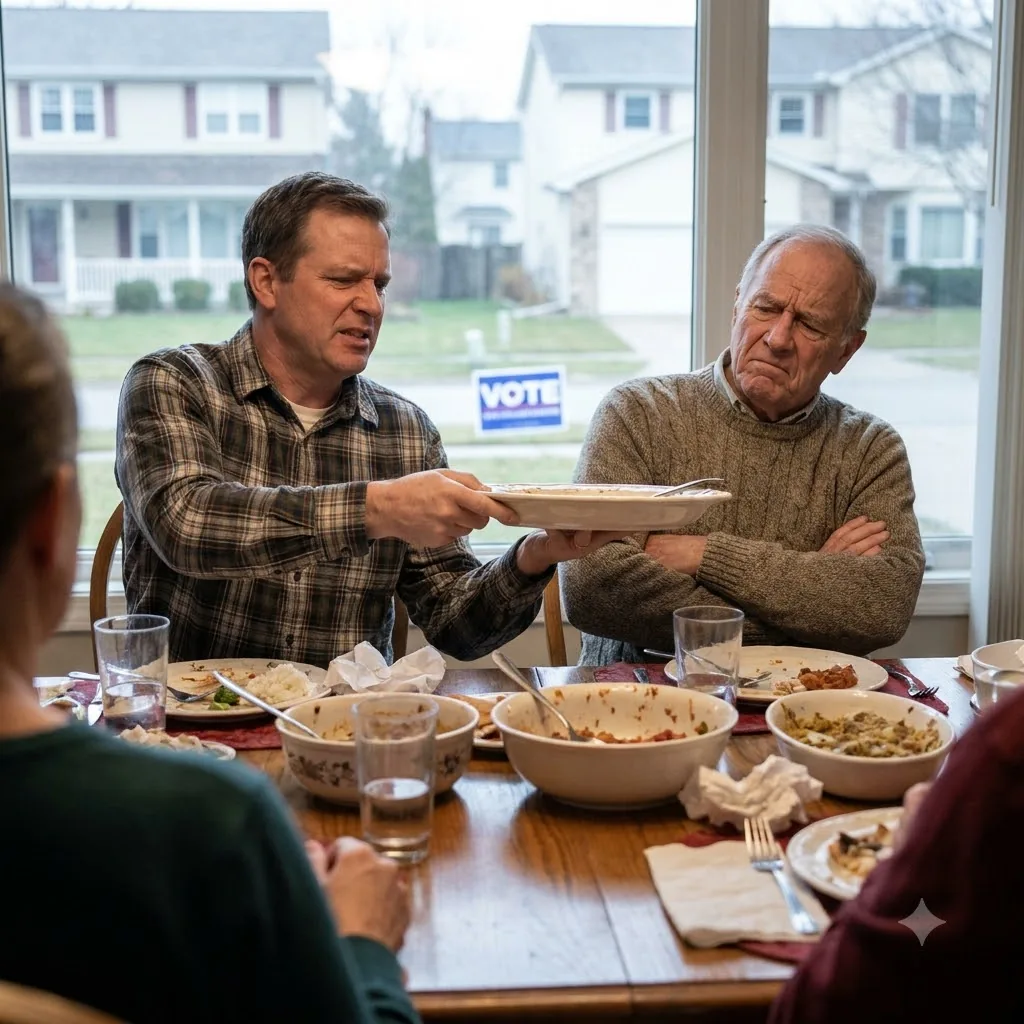
The physical evidence of the 1984 deed directly contradicted Richard’s public claim of sole ownership. As recorded in the property registry files I pulled from the county archive, the deed established a joint tenancy with right of survivorship that had never been legally dissolved. When Julian presented the document, witness statements indicate Richard refused to touch the paper, instead pushing it aside with the edge of his dinner fork. Richard’s defensive speech patterns, preserved in the audio log, show a rapid shift from authority to evasion. He insisted the document was ancient history, superseded by the family trust agreement he had drafted ten years prior.
However, the county registry records show no such superseding filing. The grandfathered deed remained the active legal instrument governing the four-acre parcel, including the very lawn where Richard had placed the political yard sign. Julian pointed to the notarized seal on the document, noting that the joint tenancy required unanimous consent for any structural changes or public declarations representing the property. Richard’s posture, described by witnesses as stiffening, became increasingly defensive. He argued that the family trust had handled all taxes, but Julian countered by producing bank ledger receipts showing he had paid his proportional share of the property taxes directly to the county clerk every year.
This proof lane immediately eroded Richard’s standing in front of the gathered family. The cousins, who had previously remained silent, began murmuring, their attention shifting from Richard to the document on the table. Richard’s hands began to fidget with his napkin, a detail noted in three separate witness interviews. The tension in the room escalated not from emotional outbursts, but from the stark reality of the legal title.
Julian then posed a question that shifted the leverage entirely. He asked Richard about the commercial easement contract Richard had spent the last six months negotiating with the municipal utility board-a contract that required the signature of all registered titleholders of the parcel. Without Julian’s signature, the pending deal, which was worth a substantial portion of the family’s liquid assets, was legally dead. Richard’s face paled as Julian laid out the exact terms of the easement, revealing that he had already received a copy of the contract from the municipal surveyor who had discovered the joint tenancy during the title search.
Furthermore, my review of the trust’s financial records indicated that Richard had already leveraged a portion of the estate’s projected value to secure a personal line of credit. The realization of this exposure was visible to everyone at the table. Richard did not deny the existence of the easement negotiations, but instead copy-argued that the deal was for the benefit of the entire family trust. Julian, however, pointed out that the trust’s beneficiaries did not include him, despite his legal co-ownership of the land itself.
By presenting the deed, Julian did not just defend his presence at the holiday table; he placed a legal stranglehold on the family’s primary financial asset. The other relatives began asking to see the document, passing the laminated pages down the table away from Richard. The uncle sat isolated at the head of the table, his authority neutralized by the paper trail. Julian stood up, leaving the deed in his aunt’s hands, and walked toward the hallway. He paused and looked back at Richard, asking if he still wanted him to leave the property.