Story code: ST-000553
Part 1: He Said She Imagined It
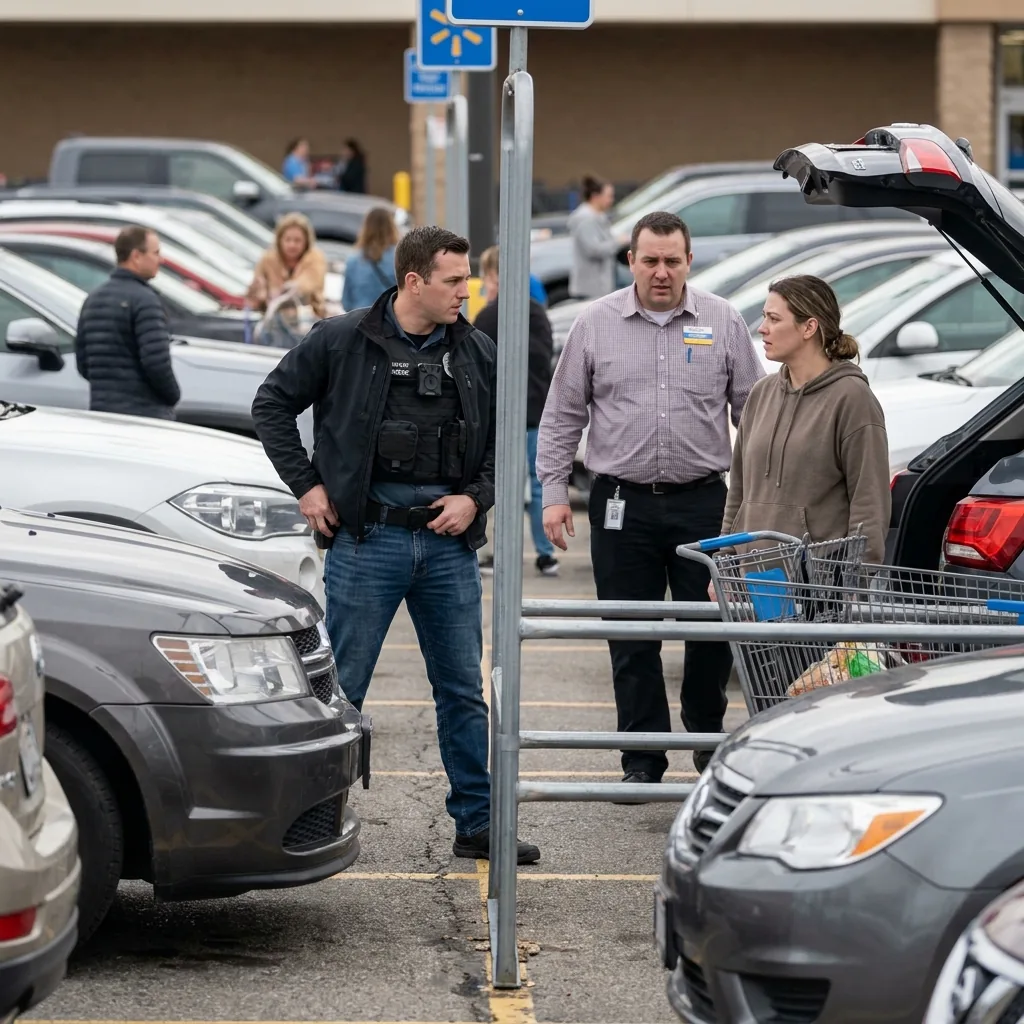
Derek Holloway stopped Mara Bennett beside the cart return and told her not to leave, then denied saying it while his bodycam sat in plain view on his chest. In the middle of a discount store parking lot, with carts rattling, trunks open, and two people already looking over from the next row, he turned a basic stop into something uglier by making her repeat herself until she sounded confused. Noah Pike had been pushing a line of carts back toward the corral when he heard Mara say, very clearly, “You just told me I couldn’t get in my car.” Noah slowed without meaning to. Mara stood by the rear corner of her hatchback with a folded receipt in one hand and her keys in the other. Holloway stood a few feet off, not in uniform, but set up like somebody used to being obeyed. He had jeans on, a department polo under an open jacket, and a badge wallet in one hand for exactly as long as it took the nearest people to see it. The bodycam clipped high on his chest looked out of place with the rest of him, which was probably why everyone kept glancing back to it. “I said hold on a second,” Holloway told her. His voice carried easily across the lane. “Don’t start changing this into something else.” Mara didn’t raise her voice. “You stepped in front of my door and said, ‘You’re not leaving until we clear this up.'” “No,” he said, quick and flat. “I did not. What I said was I needed to ask you about the contact with that vehicle.” Noah looked toward the SUV parked crooked one lane over. Its driver-side door was open, and a woman loading paper towels into the back had stopped moving entirely. That was Lila Cho. She kept one hand on the pack and watched the badge wallet more than either face. Mara lifted the receipt a little, like it might steady the order of events. “There was no contact. I put my groceries in my car, and you came across the lane and told me not to leave.” Holloway gave a short shake of the head that seemed meant for the little knot of strangers now slowing around them. “Ma’am, if you’re this upset, it’s possible you misheard me. It happens all the time in parking lots. A lot is going on.” That changed the scene faster than if he had barked. Before that line, it was one person saying one thing and another person saying the opposite. After that line, he had put a new explanation into the air: not that he had misspoken, but that she was unreliable. Noah saw the effect almost immediately. Lila’s mouth tightened. A man returning a cart paused, then kept walking, but slower. The whole scene tilted toward Mara as the problem. Mara seemed to notice it too, because she became more exact instead of louder. “You said, ‘Don’t get in the car yet.’ Then when I asked why, you put your hand up and said, ‘You’re not leaving until we clear this up.'” Holloway pointed at her keys. “Now it’s ‘don’t get in the car yet.’ A second ago it was ‘you can’t leave.’ Which is it?” “Those are the same stop,” Mara said. “No, they’re not. One is a request. One is you telling a story after the fact.” Noah had heard enough versions of adults trying to flatten kids with wording to know what Holloway was doing, even if he wouldn’t have used a name for it. He also knew who had spoken first. Mara had come out of the store alone, set two bags in the hatch, closed it, and had her hand on the driver-side door when Holloway crossed from the other row. Noah remembered because Holloway had cut in front of a cart line and made Noah stop short. The front doors slid open, and Tina Alvarez came half-running out with her radio bouncing against her vest. She looked from Holloway’s badge wallet to Mara’s car to the open SUV. “What’s going on?” Tina asked. Holloway answered first. “Minor vehicle contact, possible attempt to leave before identification, now she’s changing what I said to make it sound like I detained her.” Mara turned to Tina right away. “He stopped me before he asked me anything. He told me I wasn’t leaving, and now he’s saying I imagined it.” Tina held up one hand, keeping both of them from stepping over each other. “Did anybody actually see contact?” Nobody answered immediately. Lila shifted one paper towel bundle under her arm and said, uncertainly, “I heard him say he was police. I came in after that.” Holloway nodded toward her like that settled something. “Exactly. People hear authority and assume tension. That’s why details get scrambled.” Mara gave a short, disbelieving look toward the bodycam. “Then the details aren’t scrambled. He has that on.” Every eye in that little circle went to the camera. For the first time, Holloway touched it with two fingers, glanced down at it, and said, “Bodycam doesn’t record casual off-duty contact the way people think it does.” Noah looked up from the carts. A minute earlier Holloway had been talking as if procedure was already on his side. Now he was saying the one object everybody had already decided mattered might not actually settle anything. Tina’s expression changed just enough to show she had marked it. Then Holloway added, “And if she really believes I blocked her car before speaking to her, she needs to explain why she answered my question about the SUV before any supposed stop even happened.” Mara stared at him for a beat, receipt pinched tighter between her fingers. If what he had just said was true, he could not have opened with a stop. If it was false, then the bodycam on his chest had to hold the order of those first words. Noah was still standing by the cart line.
Derek Holloway stopped Mara Bennett beside the cart return and told her not to leave, then denied saying it while his bodycam sat in plain view on his chest. In the middle of a discount store parking lot, with carts rattling, trunks open, and two people already looking over from the next row, he turned a basic stop into something uglier by making her repeat herself until she sounded confused. Noah Pike had been pushing a line of carts back toward the corral when he heard Mara say, very clearly, “You just told me I couldn’t get in my car.” Noah slowed without meaning to. Mara stood by the rear corner of her hatchback with a folded receipt in one hand and her keys in the other. Holloway stood a few feet off, not in uniform, but set up like somebody used to being obeyed. He had jeans on, a department polo under an open jacket, and a badge wallet in one hand for exactly as long as it took the nearest people to see it. The bodycam clipped high on his chest looked out of place with the rest of him, which was probably why everyone kept glancing back to it. “I said hold on a second,” Holloway told her. His voice carried easily across the lane. “Don’t start changing this into something else.” Mara didn’t raise her voice. “You stepped in front of my door and said, ‘You’re not leaving until we clear this up.'” “No,” he said, quick and flat. “I did not. What I said was I needed to ask you about the contact with that vehicle.” Noah looked toward the SUV parked crooked one lane over. Its driver-side door was open, and a woman loading paper towels into the back had stopped moving entirely. That was Lila Cho. She kept one hand on the pack and watched the badge wallet more than either face. Mara lifted the receipt a little, like it might steady the order of events. “There was no contact. I put my groceries in my car, and you came across the lane and told me not to leave.” Holloway gave a short shake of the head that seemed meant for the little knot of strangers now slowing around them. “Ma’am, if you’re this upset, it’s possible you misheard me. It happens all the time in parking lots. A lot is going on.” That changed the scene faster than if he had barked. Before that line, it was one person saying one thing and another person saying the opposite. After that line, he had put a new explanation into the air: not that he had misspoken, but that she was unreliable. Noah saw the effect almost immediately. Lila’s mouth tightened. A man returning a cart paused, then kept walking, but slower. The whole scene tilted toward Mara as the problem. Mara seemed to notice it too, because she became more exact instead of louder. “You said, ‘Don’t get in the car yet.’ Then when I asked why, you put your hand up and said, ‘You’re not leaving until we clear this up.'” Holloway pointed at her keys. “Now it’s ‘don’t get in the car yet.’ A second ago it was ‘you can’t leave.’ Which is it?” “Those are the same stop,” Mara said. “No, they’re not. One is a request. One is you telling a story after the fact.” Noah had heard enough versions of adults trying to flatten kids with wording to know what Holloway was doing, even if he wouldn’t have used a name for it. He also knew who had spoken first. Mara had come out of the store alone, set two bags in the hatch, closed it, and had her hand on the driver-side door when Holloway crossed from the other row. Noah remembered because Holloway had cut in front of a cart line and made Noah stop short. The front doors slid open, and Tina Alvarez came half-running out with her radio bouncing against her vest. She looked from Holloway’s badge wallet to Mara’s car to the open SUV. “What’s going on?” Tina asked. Holloway answered first. “Minor vehicle contact, possible attempt to leave before identification, now she’s changing what I said to make it sound like I detained her.” Mara turned to Tina right away. “He stopped me before he asked me anything. He told me I wasn’t leaving, and now he’s saying I imagined it.” Tina held up one hand, keeping both of them from stepping over each other. “Did anybody actually see contact?” Nobody answered immediately. Lila shifted one paper towel bundle under her arm and said, uncertainly, “I heard him say he was police. I came in after that.” Holloway nodded toward her like that settled something. “Exactly. People hear authority and assume tension. That’s why details get scrambled.” Mara gave a short, disbelieving look toward the bodycam. “Then the details aren’t scrambled. He has that on.” Every eye in that little circle went to the camera. For the first time, Holloway touched it with two fingers, glanced down at it, and said, “Bodycam doesn’t record casual off-duty contact the way people think it does.” Noah looked up from the carts. A minute earlier Holloway had been talking as if procedure was already on his side. Now he was saying the one object everybody had already decided mattered might not actually settle anything. Tina’s expression changed just enough to show she had marked it. Then Holloway added, “And if she really believes I blocked her car before speaking to her, she needs to explain why she answered my question about the SUV before any supposed stop even happened.” Mara stared at him for a beat, receipt pinched tighter between her fingers. If what he had just said was true, he could not have opened with a stop. If it was false, then the bodycam on his chest had to hold the order of those first words. Noah was still standing by the cart line.