Story code: ST-000857
Part 1: The Rule Nobody Could Locate
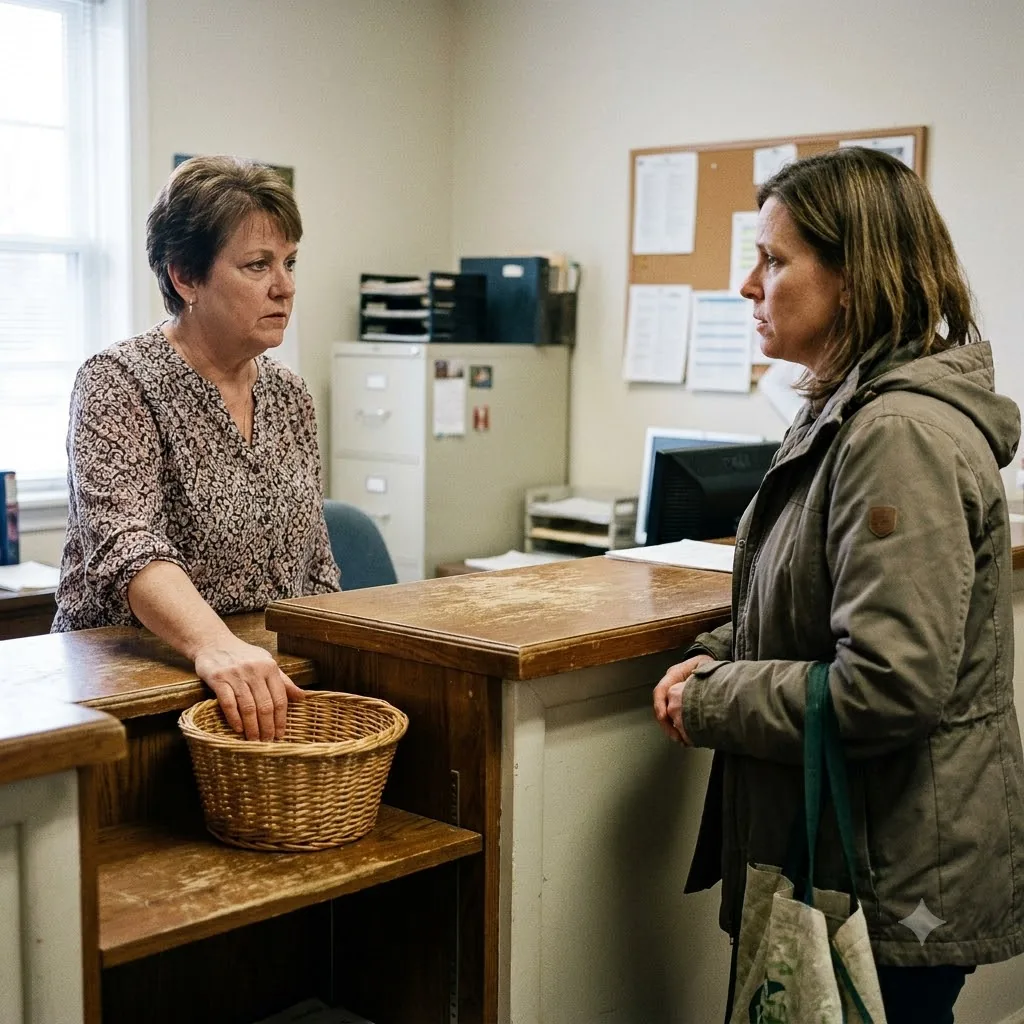
Elaine Porter stopped Dana Mercer at the front counter of Stonebridge Community Church with a hand on the offering basket shelf and told her she could not take communion to her homebound husband anymore. Dana was already holding her visitor tote and route list, the little communion travel kit was sitting three feet away, and Elaine said there was now a policy against volunteers carrying elements out unless they had authorization Dana had never once needed before. The shock was not just the denial. It was how official Elaine sounded while nobody in the room could say where that rule actually lived.
I was in the office that morning close enough to hear it without either woman raising her voice. Ruthie Sloan was answering the counter phone and sorting bulletins into neat stacks. The copier was running in bursts behind me. Dana came in the way she always did, quick hello, tote on one arm, route list folded once in her hand. She nodded toward the offering storage shelf beside the counter where the basket sat, then toward the travel kit.
“Morning, Ruthie. I need the basket sign-out and the communion cups before I head to Harold and the rest of the route.”
Elaine turned before Ruthie answered. She picked up the basket, set it back down closer to herself, and said, “You can’t take communion elements out anymore unless the request has been cleared through finance and pastoral staff. That policy changed.”
Dana blinked once and kept her voice level. “Changed where?”
“In procedure,” Elaine said.
Dana looked at the shelf, then at the small plastic case that held the sealed cups and wafers. “I was here Tuesday. Nobody said anything Tuesday.”
Elaine gave the kind of tight nod people use when they want a sentence to sound finished. “We’re enforcing it now.”
That was the first gap. Not disagreement. Not volume. Just a rule announced as settled fact with no place attached to it.
Dana set her tote on the counter edge. “I understand enforcing something if it’s real. I need to know what to tell the people I’m visiting, and I need to know what to tell my husband. Where is it written?”
Ruthie stopped sorting for half a second, then started again. She did not answer for Elaine.
Elaine said, “It falls under offering security and sacramental handling. Volunteers can’t just come through this area and pick things up anymore.”
Dana looked directly at the basket. “The offering basket isn’t communion. And I’ve been signing the basket out for shut-in envelopes for over a year.”
“That’s exactly why we’re tightening things,” Elaine said.
There was no date, no committee name, no binder page. Just a broader explanation after the first one didn’t land cleanly.
Dana asked the next plain question. “Who told you to stop me?”
Elaine did not answer that one directly either. She reached for the policy binder on the shelf below the counter, opened it, turned several tabs, and then kept talking while the pages were still moving.
“These office processes exist for a reason. People don’t always need every detail.”
Dana waited. The binder stayed open, but Elaine never turned it around.
“Can I see the line?” Dana asked.
Elaine closed the binder halfway with her palm on top of it. “It’s not a single line item. It’s how the policy applies.”
That answer changed the room. Ruthie looked up then, not dramatically, just the way somebody does when a routine exchange stops sounding routine. The phone rang again. She picked it up and gave the church greeting, but her eyes cut once toward the counter while she listened.
Dana kept her voice low. “So there is no page you can show me that says I can’t carry communion to my husband.”
Elaine said, “I’m telling you the current rule.”
Dana asked if Pastor Ben Harlow had signed off on it. Elaine said pastoral leadership was aware of the direction. Dana asked if the deacons had been told. Elaine said this was an office process issue. Dana asked whether homebound ministry had been notified. Elaine said volunteers would be informed as needed.
Each answer slid the rule into a different drawer without ever leaving one open.
Finally Dana pointed toward the travel kit. “Then let me ask it another way. If I can’t take those elements because they sit near the offering shelf, are you saying no volunteer can carry church supplies from this counter without finance clearance?”
Elaine folded both hands over the binder. “I’m saying this area is controlled, and the same principle applies across ministry materials.”
Dana’s face did not change much, but she picked up her route list and tapped it once against the tote. “Across ministry materials. All right. Does that include Sunday school packets? Meal train gift cards? Prayer shawls?”
Elaine said, “That’s not the same thing.”
Dana asked, “Why not?”
Elaine opened her mouth, glanced at the offering basket, then at the binder still under her hand, and said only, “Because those aren’t handled through finance the same way.”
Dana left without the communion kit. She left without the basket too. At the door she turned back and asked one final question, quiet enough that Ruthie had to lean slightly to catch it.
“If this rule really applies across ministry materials, why can nobody explain where it starts and where it stops?”
Elaine Porter stopped Dana Mercer at the front counter of Stonebridge Community Church with a hand on the offering basket shelf and told her she could not take communion to her homebound husband anymore. Dana was already holding her visitor tote and route list, the little communion travel kit was sitting three feet away, and Elaine said there was now a policy against volunteers carrying elements out unless they had authorization Dana had never once needed before. The shock was not just the denial. It was how official Elaine sounded while nobody in the room could say where that rule actually lived.
I was in the office that morning close enough to hear it without either woman raising her voice. Ruthie Sloan was answering the counter phone and sorting bulletins into neat stacks. The copier was running in bursts behind me. Dana came in the way she always did, quick hello, tote on one arm, route list folded once in her hand. She nodded toward the offering storage shelf beside the counter where the basket sat, then toward the travel kit.
“Morning, Ruthie. I need the basket sign-out and the communion cups before I head to Harold and the rest of the route.”
Elaine turned before Ruthie answered. She picked up the basket, set it back down closer to herself, and said, “You can’t take communion elements out anymore unless the request has been cleared through finance and pastoral staff. That policy changed.”
Dana blinked once and kept her voice level. “Changed where?”
“In procedure,” Elaine said.
Dana looked at the shelf, then at the small plastic case that held the sealed cups and wafers. “I was here Tuesday. Nobody said anything Tuesday.”
Elaine gave the kind of tight nod people use when they want a sentence to sound finished. “We’re enforcing it now.”
That was the first gap. Not disagreement. Not volume. Just a rule announced as settled fact with no place attached to it.
Dana set her tote on the counter edge. “I understand enforcing something if it’s real. I need to know what to tell the people I’m visiting, and I need to know what to tell my husband. Where is it written?”
Ruthie stopped sorting for half a second, then started again. She did not answer for Elaine.
Elaine said, “It falls under offering security and sacramental handling. Volunteers can’t just come through this area and pick things up anymore.”
Dana looked directly at the basket. “The offering basket isn’t communion. And I’ve been signing the basket out for shut-in envelopes for over a year.”
“That’s exactly why we’re tightening things,” Elaine said.
There was no date, no committee name, no binder page. Just a broader explanation after the first one didn’t land cleanly.
Dana asked the next plain question. “Who told you to stop me?”
Elaine did not answer that one directly either. She reached for the policy binder on the shelf below the counter, opened it, turned several tabs, and then kept talking while the pages were still moving.
“These office processes exist for a reason. People don’t always need every detail.”
Dana waited. The binder stayed open, but Elaine never turned it around.
“Can I see the line?” Dana asked.
Elaine closed the binder halfway with her palm on top of it. “It’s not a single line item. It’s how the policy applies.”
That answer changed the room. Ruthie looked up then, not dramatically, just the way somebody does when a routine exchange stops sounding routine. The phone rang again. She picked it up and gave the church greeting, but her eyes cut once toward the counter while she listened.
Dana kept her voice low. “So there is no page you can show me that says I can’t carry communion to my husband.”
Elaine said, “I’m telling you the current rule.”
Dana asked if Pastor Ben Harlow had signed off on it. Elaine said pastoral leadership was aware of the direction. Dana asked if the deacons had been told. Elaine said this was an office process issue. Dana asked whether homebound ministry had been notified. Elaine said volunteers would be informed as needed.
Each answer slid the rule into a different drawer without ever leaving one open.
Finally Dana pointed toward the travel kit. “Then let me ask it another way. If I can’t take those elements because they sit near the offering shelf, are you saying no volunteer can carry church supplies from this counter without finance clearance?”
Elaine folded both hands over the binder. “I’m saying this area is controlled, and the same principle applies across ministry materials.”
Dana’s face did not change much, but she picked up her route list and tapped it once against the tote. “Across ministry materials. All right. Does that include Sunday school packets? Meal train gift cards? Prayer shawls?”
Elaine said, “That’s not the same thing.”
Dana asked, “Why not?”
Elaine opened her mouth, glanced at the offering basket, then at the binder still under her hand, and said only, “Because those aren’t handled through finance the same way.”
Dana left without the communion kit. She left without the basket too. At the door she turned back and asked one final question, quiet enough that Ruthie had to lean slightly to catch it.
“If this rule really applies across ministry materials, why can nobody explain where it starts and where it stops?”