Story code: ST-000749
Part 1: The Boarding Pass They Said Didn’t Count
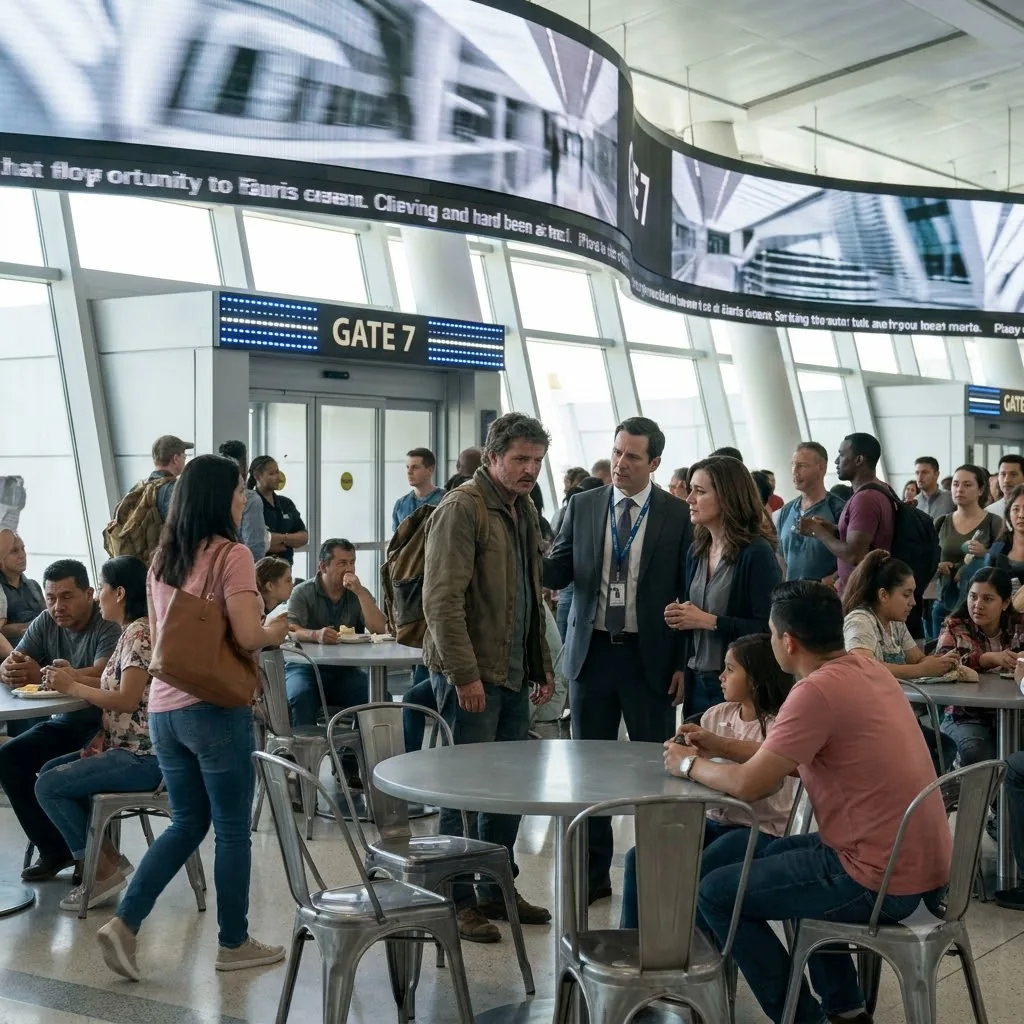
Dale Mercer said my boarding pass did not make me family in front of the whole launch terminal, with the check-in ribbon lights still blinking over Gate 7 and people pausing mid-walk around the family reunion tables. I held the pass up where the terminal cameras could see it, and he still stepped in front of me like the paper was nothing but a prop. Behind him, June Ellis stood near the sponsor banner with her hands locked around a small envelope, and Eli Navarro kept looking from my pass to Dale’s face to the group of staff in navy jackets.
The terminal was set up for the final family sendoff before departure. Kids in matching mission shirts were chasing each other around a ring of silver seats. A volunteer was refilling paper cups at the hydration station. Somewhere above us, the departure board rolled through boarding groups in calm blue letters that had nothing to do with the pressure building at Gate 7. The sponsor podium was still open, with Dale’s name printed on the front in clean black type, and he stood beside it like the whole room had already agreed he was the one who got to speak.
“I’m not checking a rumor,” he said. “I’m checking eligibility.”
Nobody in the cluster laughed. Nobody corrected him right away, either. That part mattered. The silence spread fast enough that I could hear the soft hiss of the terminal doors opening and closing behind arriving families. Dale lifted his chin toward the boarding pass in my hand without touching it. “That name is not on today’s family list,” he said. “If you were invited for a photo, that’s one thing. If you’re trying to board, that’s another.”
He said it like procedure. He said it like the sentence had already been written by somebody higher up than any of us in the room. One of the terminal staff glanced at my pass and then at Dale, waiting. June did not move. Eli shifted his weight once, then stopped. A woman from another family slowed down as she passed the gate and looked back. I kept the boarding pass visible anyway, fingers flat along the edge so it would not fold under my grip.
“This is mine,” I said.
Dale didn’t raise his voice. He did not need to. “That doesn’t settle the issue,” he said. “Not if the sponsor record says otherwise.”
The phrase hit harder because it was public. The people nearest the reunion tables heard it. The staff heard it. The kids by the seats heard enough to go quiet. One of them looked at me, then back at the adults, as if waiting for someone to explain the rule in normal words. Nobody did. Dale turned slightly toward the others, giving them the angle he wanted them to see: him calm, me outside the frame.
That was when the first visible harm landed. He was not just questioning a document. He was stripping the room of my place in it.
I had the boarding pass in my hand. I had the terminal wristband clipped to my coat. My name was printed in the same black type as everyone else’s on the departure sheet posted by the gate. None of that stopped him from speaking over the paper like it was a mistake that needed to be erased before the crowd got any ideas.
June looked down at the envelope she was holding, then back up at me. Her thumb pressed once against the flap, a small movement, like she was checking whether it was still sealed. Eli saw it too. His eyes went to the envelope, then back to Dale, then to me. That was the first sign that something in the room was already divided in a way the sponsor wanted to keep hidden.
Dale leaned toward the staff member in navy and said, “We can resolve this without embarrassing anyone.”
The staff member did not answer. The departure board changed above us. The family tables stayed bright and neat. My boarding pass was still in my hand, but the room had started acting like it no longer belonged to me. Then June took one step closer to the gate with the envelope still closed in her fist, and I saw Dale look at her before he looked at me. Whatever was in that envelope, he knew she had it. The question was why he looked afraid of it without saying a word.
Dale Mercer said my boarding pass did not make me family in front of the whole launch terminal, with the check-in ribbon lights still blinking over Gate 7 and people pausing mid-walk around the family reunion tables. I held the pass up where the terminal cameras could see it, and he still stepped in front of me like the paper was nothing but a prop. Behind him, June Ellis stood near the sponsor banner with her hands locked around a small envelope, and Eli Navarro kept looking from my pass to Dale’s face to the group of staff in navy jackets.
The terminal was set up for the final family sendoff before departure. Kids in matching mission shirts were chasing each other around a ring of silver seats. A volunteer was refilling paper cups at the hydration station. Somewhere above us, the departure board rolled through boarding groups in calm blue letters that had nothing to do with the pressure building at Gate 7. The sponsor podium was still open, with Dale’s name printed on the front in clean black type, and he stood beside it like the whole room had already agreed he was the one who got to speak.
“I’m not checking a rumor,” he said. “I’m checking eligibility.”
Nobody in the cluster laughed. Nobody corrected him right away, either. That part mattered. The silence spread fast enough that I could hear the soft hiss of the terminal doors opening and closing behind arriving families. Dale lifted his chin toward the boarding pass in my hand without touching it. “That name is not on today’s family list,” he said. “If you were invited for a photo, that’s one thing. If you’re trying to board, that’s another.”
He said it like procedure. He said it like the sentence had already been written by somebody higher up than any of us in the room. One of the terminal staff glanced at my pass and then at Dale, waiting. June did not move. Eli shifted his weight once, then stopped. A woman from another family slowed down as she passed the gate and looked back. I kept the boarding pass visible anyway, fingers flat along the edge so it would not fold under my grip.
“This is mine,” I said.
Dale didn’t raise his voice. He did not need to. “That doesn’t settle the issue,” he said. “Not if the sponsor record says otherwise.”
The phrase hit harder because it was public. The people nearest the reunion tables heard it. The staff heard it. The kids by the seats heard enough to go quiet. One of them looked at me, then back at the adults, as if waiting for someone to explain the rule in normal words. Nobody did. Dale turned slightly toward the others, giving them the angle he wanted them to see: him calm, me outside the frame.
That was when the first visible harm landed. He was not just questioning a document. He was stripping the room of my place in it.
I had the boarding pass in my hand. I had the terminal wristband clipped to my coat. My name was printed in the same black type as everyone else’s on the departure sheet posted by the gate. None of that stopped him from speaking over the paper like it was a mistake that needed to be erased before the crowd got any ideas.
June looked down at the envelope she was holding, then back up at me. Her thumb pressed once against the flap, a small movement, like she was checking whether it was still sealed. Eli saw it too. His eyes went to the envelope, then back to Dale, then to me. That was the first sign that something in the room was already divided in a way the sponsor wanted to keep hidden.
Dale leaned toward the staff member in navy and said, “We can resolve this without embarrassing anyone.”
The staff member did not answer. The departure board changed above us. The family tables stayed bright and neat. My boarding pass was still in my hand, but the room had started acting like it no longer belonged to me. Then June took one step closer to the gate with the envelope still closed in her fist, and I saw Dale look at her before he looked at me. Whatever was in that envelope, he knew she had it. The question was why he looked afraid of it without saying a word.