Story code: ST-001336
Part 1: Access Denied
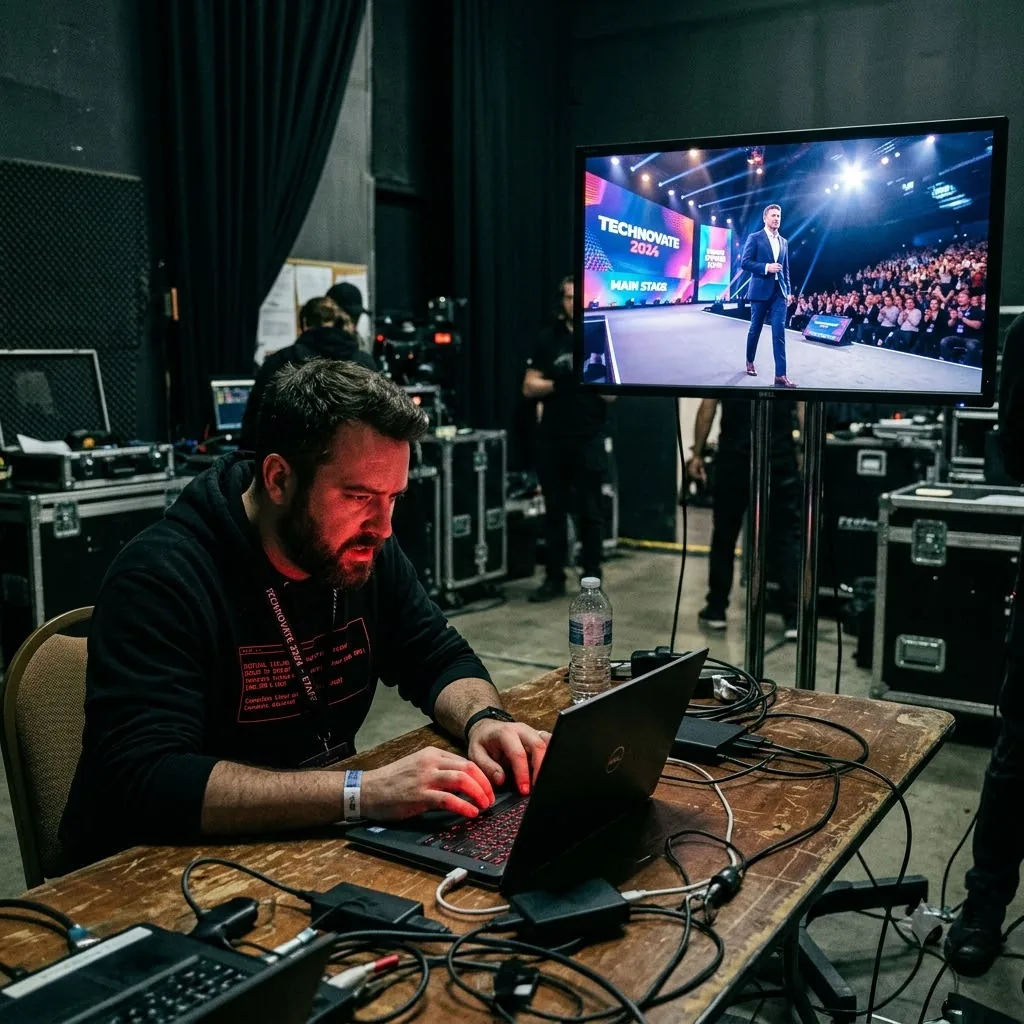
The terminal screen blinked with a stark, red 403 Forbidden error against the dim lighting of the pitch competition green room. Marcus slammed the Enter key again, forcing a manual refresh of the server authorization, but the same access denied message cascaded down the black console. The ambient noise of the auditorium outside bled through the thin walls, punctuated by the booming voice of the MC introducing the final startup of the night.
Marcus ignored the cheering. He opened a new tab, bypassing their custom dashboard to ping the AWS root directory directly. Connection refused. He wiped a bead of sweat from his forehead and grabbed his phone. He typed out a rapid text to Tyler. Server is rejecting my SSH key. I cannot monitor the live data sync. He hit send and watched the delivery status update.
He glanced at the live stage monitor mounted in the corner of the room. The camera angle showed the wings of the main stage. Tyler was adjusting the lapels of his blazer, standing just off-stage, holding his phone in his left hand. On the monitor, the screen of Tyler’s phone lit up with the notification. Tyler glanced down at the glowing rectangle, swiped it away with his thumb, and calmly slid the device into his pocket. He did not type a reply.
Marcus felt a cold knot form in his stomach. He needed to fix the connection before Tyler started the live demo. Their entire pitch relied on a real-time neural processing sync that Marcus was supposed to execute from the backend at a specific cue. If the database locked him out, the demo would flatline on the ten-foot LED screen in front of three hundred angel investors and venture capitalists. This was the moment they had spent two years building toward in cramped apartments and coffee shops.
He pulled up their GitHub organization page to check the recent commit logs and see if a faulty deployment had triggered a lockdown. Error 401 Unauthorized.
The repository was gone. Not down, not lagging, but completely invisible to his founder account. The blood drained from Marcus’s face as he stared at the harsh white error page. This was not a server crash. A server crash threw a 502 Bad Gateway or a simple timeout. A 401 and a 403 meant his permissions had been actively revoked. And the only other person on the planet with root administrative access was the man currently walking out into the glare of the stage lights.
Marcus frantically opened his master password manager. He copied the backup emergency access token, a fifty-character string they had generated for catastrophic failures. He pasted it into the terminal and executed the override command.
Invalid Token. User admin has been removed from the organization.
He stared at the words. The terminal cursor blinked back at him with steady, indifferent rhythm. He opened Slack to message the rest of their small engineering team, hoping someone else was online and could check the internal status page. The Slack application loaded, but his workspace was gone. The sidebar was entirely empty, displaying a generic message stating his account had been deactivated by the workspace owner.
Panic gave way to a sharp, disorienting static in his chest. Tyler had severed him from the company. Every piece of infrastructure, every line of code they had written together, every communication channel was cut. And he had done it within the last ten minutes, right after leaving the green room with a casual pat on Marcus’s shoulder and a promise to crush the presentation.
Marcus looked back at the live stage monitor. The camera had switched to the main feed. Tyler was striding across the stage, smiling broadly, holding a microphone. The crowd applause died down as Tyler took his position in the center of the stage. The massive screen behind him displayed their startup’s logo, crisp and vibrant.
Tyler began to speak, his voice projecting smoothly through the green room speakers. He delivered the opening hook flawlessly, hitting the exact cadence they had rehearsed a hundred times. He painted the picture of the industry problem, pacing the stage with practiced ease. Marcus watched him, paralyzed, his hands hovering over the useless keyboard.
Then Tyler clicked the presentation remote to transition to the second slide.
The logo faded. In its place, a massive structural diagram of their software architecture appeared. But it was wrong. It was not the architecture they had spent two years building. The core proprietary algorithm, the one Marcus had written from scratch, was missing from the flowchart. In its place was a third-party integration logo, alongside the branding of a massive enterprise tech conglomerate they had actively positioned themselves to disrupt.
Marcus grabbed his laptop, shoving past the catering table and yanking the heavy green room door open. He sprinted down the narrow concrete hallway toward the stage wings. The muffled sound of Tyler’s voice grew louder with every step.
He rounded the final corner, skidding slightly on the polished floor, and burst into the backstage area. The stage manager held up a hand to stop him, but Marcus pushed past the heavy velvet curtain just enough to see the stage directly.
Tyler was not looking at the audience. He was gesturing toward the front row of the VIP section. The man sitting in the center seat of the front row stood up, buttoning his suit jacket, and stepped onto the low ramp connecting the floor to the stage. Tyler walked to the edge of the stage, extending his hand down toward the man.
The terminal screen blinked with a stark, red 403 Forbidden error against the dim lighting of the pitch competition green room. Marcus slammed the Enter key again, forcing a manual refresh of the server authorization, but the same access denied message cascaded down the black console. The ambient noise of the auditorium outside bled through the thin walls, punctuated by the booming voice of the MC introducing the final startup of the night.
Marcus ignored the cheering. He opened a new tab, bypassing their custom dashboard to ping the AWS root directory directly. Connection refused. He wiped a bead of sweat from his forehead and grabbed his phone. He typed out a rapid text to Tyler. Server is rejecting my SSH key. I cannot monitor the live data sync. He hit send and watched the delivery status update.
He glanced at the live stage monitor mounted in the corner of the room. The camera angle showed the wings of the main stage. Tyler was adjusting the lapels of his blazer, standing just off-stage, holding his phone in his left hand. On the monitor, the screen of Tyler’s phone lit up with the notification. Tyler glanced down at the glowing rectangle, swiped it away with his thumb, and calmly slid the device into his pocket. He did not type a reply.
Marcus felt a cold knot form in his stomach. He needed to fix the connection before Tyler started the live demo. Their entire pitch relied on a real-time neural processing sync that Marcus was supposed to execute from the backend at a specific cue. If the database locked him out, the demo would flatline on the ten-foot LED screen in front of three hundred angel investors and venture capitalists. This was the moment they had spent two years building toward in cramped apartments and coffee shops.
He pulled up their GitHub organization page to check the recent commit logs and see if a faulty deployment had triggered a lockdown. Error 401 Unauthorized.
The repository was gone. Not down, not lagging, but completely invisible to his founder account. The blood drained from Marcus’s face as he stared at the harsh white error page. This was not a server crash. A server crash threw a 502 Bad Gateway or a simple timeout. A 401 and a 403 meant his permissions had been actively revoked. And the only other person on the planet with root administrative access was the man currently walking out into the glare of the stage lights.
Marcus frantically opened his master password manager. He copied the backup emergency access token, a fifty-character string they had generated for catastrophic failures. He pasted it into the terminal and executed the override command.
Invalid Token. User admin has been removed from the organization.
He stared at the words. The terminal cursor blinked back at him with steady, indifferent rhythm. He opened Slack to message the rest of their small engineering team, hoping someone else was online and could check the internal status page. The Slack application loaded, but his workspace was gone. The sidebar was entirely empty, displaying a generic message stating his account had been deactivated by the workspace owner.
Panic gave way to a sharp, disorienting static in his chest. Tyler had severed him from the company. Every piece of infrastructure, every line of code they had written together, every communication channel was cut. And he had done it within the last ten minutes, right after leaving the green room with a casual pat on Marcus’s shoulder and a promise to crush the presentation.
Marcus looked back at the live stage monitor. The camera had switched to the main feed. Tyler was striding across the stage, smiling broadly, holding a microphone. The crowd applause died down as Tyler took his position in the center of the stage. The massive screen behind him displayed their startup’s logo, crisp and vibrant.
Tyler began to speak, his voice projecting smoothly through the green room speakers. He delivered the opening hook flawlessly, hitting the exact cadence they had rehearsed a hundred times. He painted the picture of the industry problem, pacing the stage with practiced ease. Marcus watched him, paralyzed, his hands hovering over the useless keyboard.
Then Tyler clicked the presentation remote to transition to the second slide.
The logo faded. In its place, a massive structural diagram of their software architecture appeared. But it was wrong. It was not the architecture they had spent two years building. The core proprietary algorithm, the one Marcus had written from scratch, was missing from the flowchart. In its place was a third-party integration logo, alongside the branding of a massive enterprise tech conglomerate they had actively positioned themselves to disrupt.
Marcus grabbed his laptop, shoving past the catering table and yanking the heavy green room door open. He sprinted down the narrow concrete hallway toward the stage wings. The muffled sound of Tyler’s voice grew louder with every step.
He rounded the final corner, skidding slightly on the polished floor, and burst into the backstage area. The stage manager held up a hand to stop him, but Marcus pushed past the heavy velvet curtain just enough to see the stage directly.
Tyler was not looking at the audience. He was gesturing toward the front row of the VIP section. The man sitting in the center seat of the front row stood up, buttoning his suit jacket, and stepped onto the low ramp connecting the floor to the stage. Tyler walked to the edge of the stage, extending his hand down toward the man.