Story code: ST-000573
Part 1: Access Denied
The double-click on the legacy shortcut returned a flat, gray dialogue box. Access Denied. Elias dragged his mouse across the screen and clicked the icon again, putting extra pressure on the left button, only to be met with the exact same dead-end error. His massive network drive, holding two decades of meticulously categorized campaign drafts, consumer psychology notes, and brand manifestos, was completely shut off.
He leaned back in his ergonomic chair, the ambient hum of the fluorescent lights suddenly loud in his ears. IT was probably migrating servers again without warning. It was a Tuesday morning, prime time for unannounced infrastructural chaos at the agency. Sarah, the new creative director, had mentioned streamlining their department’s workflow during Monday’s stand-up meeting, but cutting off the senior copywriter’s access to his own archives was a brutal way to run an update.
Elias pulled his phone out to text the help desk, then stopped. The Vanguard campaign needed a finalized pitch by noon. He knew the opening hook by heart, having spent the entire weekend pacing around his living room, refining the exact cadence of the syllables. If he waited for an IT ticket to clear, he would miss the deadline and give Sarah another excuse to lecture him about agility in the modern market.
He opened his email and found the mandatory morning memo from Sarah. It sat at the top of his inbox, flagged with high importance. It contained a single hyperlink under the header Project Echo – Immediate Integration. The body text offered zero explanation, just a directive to use the new portal for all morning deliverables.
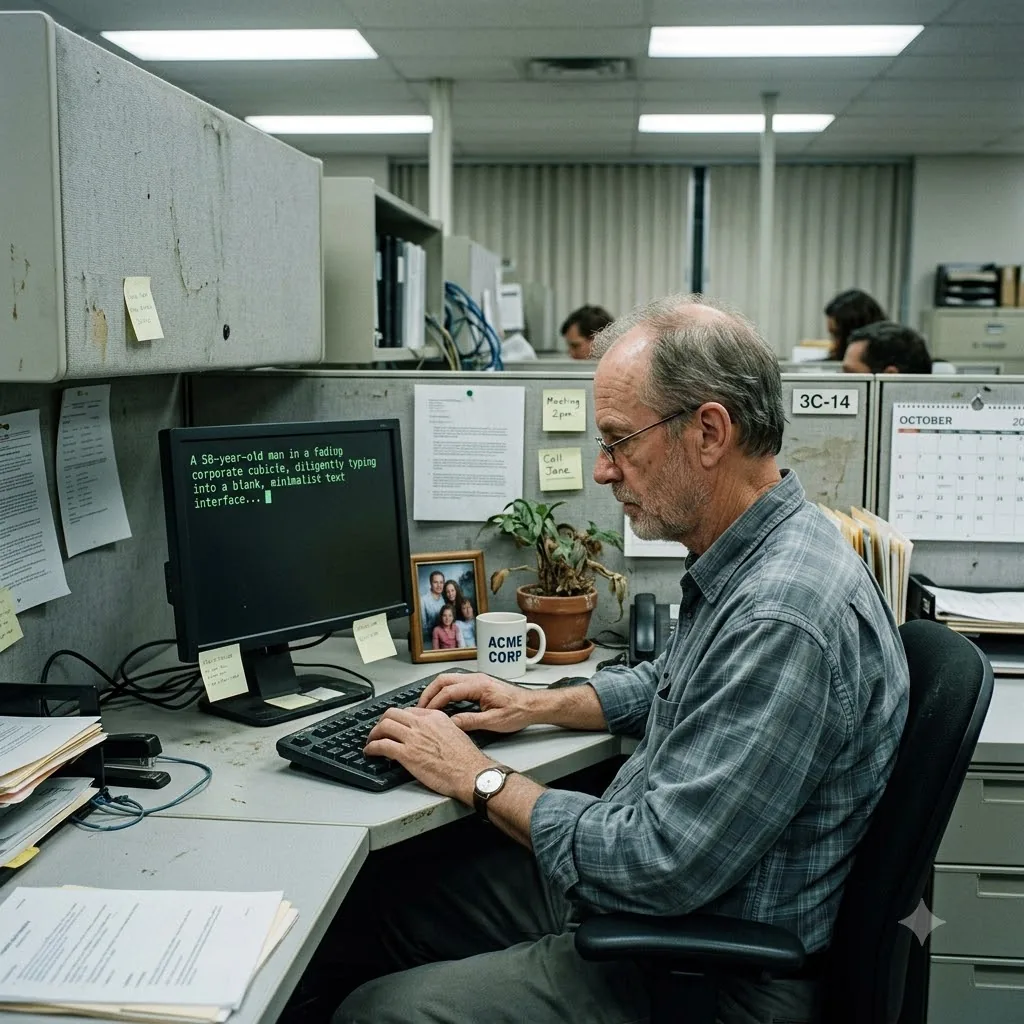
He clicked the link. The browser tab snapped open to a glaringly white screen. There was no company logo, no navigation bar, and none of the familiar formatting ribbons he had relied on since the late nineties. It was just a stark, black cursor blinking in the top left corner of an endless void. It looked like a primitive notepad application, entirely stripped of its architecture.
He cracked his knuckles, the sound sharp in the quiet office. He was a seasoned professional. A temporary graphical glitch or a bare-bones beta test would not stop him from delivering the Vanguard copy. Elias placed his hands on the mechanical keyboard and began to type.
The physical act of writing always grounded him. He built the narrative block by block, laying down the emotional foundation for the brand. He typed out the sensory details, the precise, evocative adjectives he had debated with himself at three in the morning. The Vanguard brand was about heritage, about things that survived the test of time, and Elias poured his twenty years of hard-won expertise into the rhythm of the sentences. He knew exactly how to make a consumer feel nostalgic for a product they had not yet purchased.
But the interface fought him with its stubborn emptiness. When he tried to apply a bold styling to a key transitional phrase, the standard keyboard shortcut did absolutely nothing. The text remained perfectly uniform, a flat, generic sans-serif font that felt entirely devoid of personality. He attempted to indent a crucial paragraph for emphasis, but the tab key simply inserted a raw, clumsy space, ignoring standard typographical alignment rules.
He kept going, refusing to let the sterile environment break his flow. The sheer muscle memory of his craft carried him through the friction. He reconstructed all six hundred words of the pitch, relying entirely on the rhythm echoing in his head. He knew exactly how the pacing would manipulate the reader’s heartbeat, drawing them in close with short, punchy statements before delivering the massive emotional weight of the final tagline.
His fingers hammered the final period. He let out a slow, heavy breath, staring at the dense block of text on the stark white background. It was brilliant. Even stripped of its structural formatting and visual flair, the words carried a massive, undeniable power. It was the culmination of his entire career, distilled into a single, perfect pitch.
He reached for the mouse to finalize the submission.
There was no submit prompt at the bottom of the screen. The Project Echo interface remained entirely static, a silent white void surrounding his life’s work.
Elias moved his cursor toward the top menu bar, looking for a hidden dropdown list or a disguised file command. As the little white arrow crossed the threshold of the text area, the screen flickered once.
The words vanished.
All six hundred words, his masterpiece, erased in a fraction of a second. The black cursor reset to the top left corner, blinking with a steady, indifferent pulse. There was no confirmation message. There was no green checkmark indicating a successful upload. There was no loading icon to suggest it was transmitting the data to Sarah’s desk.
The interface had simply swallowed his work whole in total silence.
Elias pressed the undo shortcut, holding the keys down hard. Nothing happened. He right-clicked the empty space, hoping for a paste option to pull from the clipboard buffer, but the context menu was entirely disabled. The white void stared back at him, empty and ravenous. He hovered his trembling fingers over the home row, staring at the blinking black line as it waited for more.
The double-click on the legacy shortcut returned a flat, gray dialogue box. Access Denied. Elias dragged his mouse across the screen and clicked the icon again, putting extra pressure on the left button, only to be met with the exact same dead-end error. His massive network drive, holding two decades of meticulously categorized campaign drafts, consumer psychology notes, and brand manifestos, was completely shut off.
He leaned back in his ergonomic chair, the ambient hum of the fluorescent lights suddenly loud in his ears. IT was probably migrating servers again without warning. It was a Tuesday morning, prime time for unannounced infrastructural chaos at the agency. Sarah, the new creative director, had mentioned streamlining their department’s workflow during Monday’s stand-up meeting, but cutting off the senior copywriter’s access to his own archives was a brutal way to run an update.
Elias pulled his phone out to text the help desk, then stopped. The Vanguard campaign needed a finalized pitch by noon. He knew the opening hook by heart, having spent the entire weekend pacing around his living room, refining the exact cadence of the syllables. If he waited for an IT ticket to clear, he would miss the deadline and give Sarah another excuse to lecture him about agility in the modern market.
He opened his email and found the mandatory morning memo from Sarah. It sat at the top of his inbox, flagged with high importance. It contained a single hyperlink under the header Project Echo – Immediate Integration. The body text offered zero explanation, just a directive to use the new portal for all morning deliverables.
He clicked the link. The browser tab snapped open to a glaringly white screen. There was no company logo, no navigation bar, and none of the familiar formatting ribbons he had relied on since the late nineties. It was just a stark, black cursor blinking in the top left corner of an endless void. It looked like a primitive notepad application, entirely stripped of its architecture.
He cracked his knuckles, the sound sharp in the quiet office. He was a seasoned professional. A temporary graphical glitch or a bare-bones beta test would not stop him from delivering the Vanguard copy. Elias placed his hands on the mechanical keyboard and began to type.
The physical act of writing always grounded him. He built the narrative block by block, laying down the emotional foundation for the brand. He typed out the sensory details, the precise, evocative adjectives he had debated with himself at three in the morning. The Vanguard brand was about heritage, about things that survived the test of time, and Elias poured his twenty years of hard-won expertise into the rhythm of the sentences. He knew exactly how to make a consumer feel nostalgic for a product they had not yet purchased.
But the interface fought him with its stubborn emptiness. When he tried to apply a bold styling to a key transitional phrase, the standard keyboard shortcut did absolutely nothing. The text remained perfectly uniform, a flat, generic sans-serif font that felt entirely devoid of personality. He attempted to indent a crucial paragraph for emphasis, but the tab key simply inserted a raw, clumsy space, ignoring standard typographical alignment rules.
He kept going, refusing to let the sterile environment break his flow. The sheer muscle memory of his craft carried him through the friction. He reconstructed all six hundred words of the pitch, relying entirely on the rhythm echoing in his head. He knew exactly how the pacing would manipulate the reader’s heartbeat, drawing them in close with short, punchy statements before delivering the massive emotional weight of the final tagline.
His fingers hammered the final period. He let out a slow, heavy breath, staring at the dense block of text on the stark white background. It was brilliant. Even stripped of its structural formatting and visual flair, the words carried a massive, undeniable power. It was the culmination of his entire career, distilled into a single, perfect pitch.
He reached for the mouse to finalize the submission.
There was no submit prompt at the bottom of the screen. The Project Echo interface remained entirely static, a silent white void surrounding his life’s work.
Elias moved his cursor toward the top menu bar, looking for a hidden dropdown list or a disguised file command. As the little white arrow crossed the threshold of the text area, the screen flickered once.
The words vanished.
All six hundred words, his masterpiece, erased in a fraction of a second. The black cursor reset to the top left corner, blinking with a steady, indifferent pulse. There was no confirmation message. There was no green checkmark indicating a successful upload. There was no loading icon to suggest it was transmitting the data to Sarah’s desk.
The interface had simply swallowed his work whole in total silence.
Elias pressed the undo shortcut, holding the keys down hard. Nothing happened. He right-clicked the empty space, hoping for a paste option to pull from the clipboard buffer, but the context menu was entirely disabled. The white void stared back at him, empty and ravenous. He hovered his trembling fingers over the home row, staring at the blinking black line as it waited for more.