Story code: ST-000862
Part 1: The 2.14 Millimeter Infraction
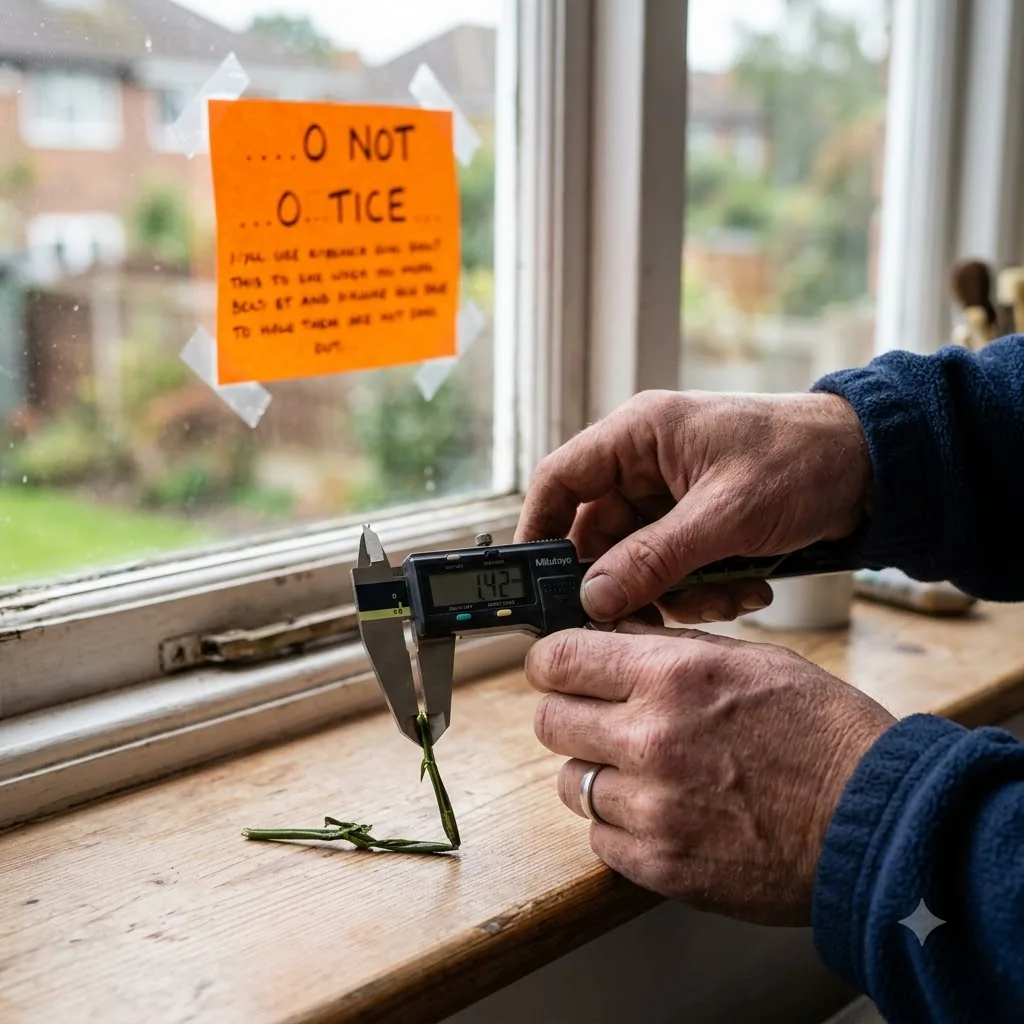
The digital display on the heavy steel calipers flickered, finally settling on exactly 2.14 millimeters. Elias held his breath, gently pinching the crushed fibers of the pale green stem between the precision jaws. A heavy, deep-treaded work boot had violently snapped the delicate vascular tissue just above the soil line, leaving a jagged, fibrous edge leaking a clear, sticky sap onto the disturbed earth. He did not blink. He carefully wiped the caliper tips with a microfiber cloth and logged the measurement into a weathered, leather-bound notebook, noting the exact time, the ambient humidity, and the severe angle of the break.
He remained kneeling on the ground, refusing to look up at the street or the imposing facades of the neighboring houses. His entire universe was temporarily and absolutely confined to this twelve-square-inch grid of pulverized soil. Beside the broken stem, deep and aggressive tire ruts from a commercial zero-turn mower had torn a jagged scar through the topsoil. The heavy, spinning treads had churned up the careful layers of aged compost, river sand, and intricate mycorrhizal networks he had spent three meticulous years balancing. The neighborhood landscaping crew had arrived while he was a mile away at the hardware store purchasing a specific grade of ultraviolet shade cloth. They had not knocked on his door. They had not called his phone. They had simply dropped their heavy steel ramps from a trailer and driven straight over his property line to enforce their version of order.
Elias stood up slowly, the joints in his knees popping softly in the quiet, stifling afternoon air. He brushed the dark, rich loam from the fabric of his canvas work pants. The mechanical destruction radiated outward from the edge of the concrete sidewalk, carving a chaotic, muddy path of torn roots and compacted earth that stopped agonizingly short of the raised, circular berm in the exact center of his yard.
He turned his back on the damage and walked toward his house. An adhesive orange sleeve was slapped crooked across the glass of his front door, glaring violently against the muted, natural tones of his porch. Elias walked up the wooden steps and gripped the edge of the aggressive neon sticker. He peeled it back with slow, even force. It tore anyway, leaving a jagged strip of adhesive and white paper permanently fused to the glass. He pulled the folded document from the plastic sleeve.
It was printed on rigid, heavy cardstock, bearing the embossed seal of the neighborhood association. *Notice of Violation and Immediate Remediation*. The bold, black text at the bottom demanded four thousand eight hundred dollars in retroactive fines. The dense paragraphs above it cited a repeated, willful failure to comply with the community turf mandate. The board declared they had authorized extreme intervention to forcefully bring the lot into compliance with the established neighborhood aesthetic. A secondary, heavily underlined clause outlined an aggressive schedule of daily monetary penalties and further property alterations if the remaining non-compliant organic matter was not entirely eradicated by the end of the week.
Elias folded the heavy cardstock exactly in half, then in quarters, pressing the sharp creases flat between his calloused thumbs before slipping it into his back pocket. He walked back down the concrete driveway. He completely ignored the identical, perfectly manicured squares of bright green ryegrass stretching endlessly down the rest of the suburban street. His gaze locked completely and entirely onto the center of his property.
The raised berm was still intact. A calculated ring of heavy, smooth river stones protected the interior soil. To anyone driving past in a pristine luxury SUV, the space looked utterly barren and neglected. A careless observer, or a furious HOA board member, would see nothing but a patch of dead dirt and a few scattered, stubborn weeds refusing to die. Elias saw the faint, mathematically precise indentations in the dust. They marked a delicate, unseen perimeter he checked every four hours, day and night, without fail.
He approached the stones with quiet, deliberate steps. The landscape crew had cut their path of destruction straight toward that center circle. The deep tire marks in the soil showed a violent, sudden skid. The operator had thrown the steering levers in reverse at the absolute last possible second, sending a dangerous spray of sharp gravel over the protective stones. Elias knelt by the perimeter again, his face mere inches from the ground, meticulously inspecting the displaced dust. If the heavy steel mower deck had passed over the center, the downward force and the intense, rumbling vibration alone would have instantly shattered the fragile structure carefully hidden just beneath the surface.
He pulled a small, soft-bristled brush from his tool belt and gently swept the scattered gravel away from the rocks, restoring the exact boundary. He checked the digital soil thermometer buried near the outer edge of the stones. The temperature remained stable at the required depth. The moisture levels had not spiked. The interior chamber remained uncompromised for now.
He stood up and surveyed the aggressive tire tracks again, tracing the path the machine had taken across his yard. They had mapped out his property. They had executed a perimeter cut, testing the boundaries, cutting away the camouflage, deliberately leaving the center for last.
A low, guttural rumble suddenly vibrated through the thick rubber soles of his boots. The distinct, heavy rattle of a massive diesel engine and the clanking of loose metal ramps bounced loudly off the brick facades of the houses across the street. The mechanical roar grew louder, the transmission shifting hard as a heavy-duty landscaping truck rounded the corner at the end of the block, slowing down as it approached his driveway.
The digital display on the heavy steel calipers flickered, finally settling on exactly 2.14 millimeters. Elias held his breath, gently pinching the crushed fibers of the pale green stem between the precision jaws. A heavy, deep-treaded work boot had violently snapped the delicate vascular tissue just above the soil line, leaving a jagged, fibrous edge leaking a clear, sticky sap onto the disturbed earth. He did not blink. He carefully wiped the caliper tips with a microfiber cloth and logged the measurement into a weathered, leather-bound notebook, noting the exact time, the ambient humidity, and the severe angle of the break.
He remained kneeling on the ground, refusing to look up at the street or the imposing facades of the neighboring houses. His entire universe was temporarily and absolutely confined to this twelve-square-inch grid of pulverized soil. Beside the broken stem, deep and aggressive tire ruts from a commercial zero-turn mower had torn a jagged scar through the topsoil. The heavy, spinning treads had churned up the careful layers of aged compost, river sand, and intricate mycorrhizal networks he had spent three meticulous years balancing. The neighborhood landscaping crew had arrived while he was a mile away at the hardware store purchasing a specific grade of ultraviolet shade cloth. They had not knocked on his door. They had not called his phone. They had simply dropped their heavy steel ramps from a trailer and driven straight over his property line to enforce their version of order.
Elias stood up slowly, the joints in his knees popping softly in the quiet, stifling afternoon air. He brushed the dark, rich loam from the fabric of his canvas work pants. The mechanical destruction radiated outward from the edge of the concrete sidewalk, carving a chaotic, muddy path of torn roots and compacted earth that stopped agonizingly short of the raised, circular berm in the exact center of his yard.
He turned his back on the damage and walked toward his house. An adhesive orange sleeve was slapped crooked across the glass of his front door, glaring violently against the muted, natural tones of his porch. Elias walked up the wooden steps and gripped the edge of the aggressive neon sticker. He peeled it back with slow, even force. It tore anyway, leaving a jagged strip of adhesive and white paper permanently fused to the glass. He pulled the folded document from the plastic sleeve.
It was printed on rigid, heavy cardstock, bearing the embossed seal of the neighborhood association. *Notice of Violation and Immediate Remediation*. The bold, black text at the bottom demanded four thousand eight hundred dollars in retroactive fines. The dense paragraphs above it cited a repeated, willful failure to comply with the community turf mandate. The board declared they had authorized extreme intervention to forcefully bring the lot into compliance with the established neighborhood aesthetic. A secondary, heavily underlined clause outlined an aggressive schedule of daily monetary penalties and further property alterations if the remaining non-compliant organic matter was not entirely eradicated by the end of the week.
Elias folded the heavy cardstock exactly in half, then in quarters, pressing the sharp creases flat between his calloused thumbs before slipping it into his back pocket. He walked back down the concrete driveway. He completely ignored the identical, perfectly manicured squares of bright green ryegrass stretching endlessly down the rest of the suburban street. His gaze locked completely and entirely onto the center of his property.
The raised berm was still intact. A calculated ring of heavy, smooth river stones protected the interior soil. To anyone driving past in a pristine luxury SUV, the space looked utterly barren and neglected. A careless observer, or a furious HOA board member, would see nothing but a patch of dead dirt and a few scattered, stubborn weeds refusing to die. Elias saw the faint, mathematically precise indentations in the dust. They marked a delicate, unseen perimeter he checked every four hours, day and night, without fail.
He approached the stones with quiet, deliberate steps. The landscape crew had cut their path of destruction straight toward that center circle. The deep tire marks in the soil showed a violent, sudden skid. The operator had thrown the steering levers in reverse at the absolute last possible second, sending a dangerous spray of sharp gravel over the protective stones. Elias knelt by the perimeter again, his face mere inches from the ground, meticulously inspecting the displaced dust. If the heavy steel mower deck had passed over the center, the downward force and the intense, rumbling vibration alone would have instantly shattered the fragile structure carefully hidden just beneath the surface.
He pulled a small, soft-bristled brush from his tool belt and gently swept the scattered gravel away from the rocks, restoring the exact boundary. He checked the digital soil thermometer buried near the outer edge of the stones. The temperature remained stable at the required depth. The moisture levels had not spiked. The interior chamber remained uncompromised for now.
He stood up and surveyed the aggressive tire tracks again, tracing the path the machine had taken across his yard. They had mapped out his property. They had executed a perimeter cut, testing the boundaries, cutting away the camouflage, deliberately leaving the center for last.
A low, guttural rumble suddenly vibrated through the thick rubber soles of his boots. The distinct, heavy rattle of a massive diesel engine and the clanking of loose metal ramps bounced loudly off the brick facades of the houses across the street. The mechanical roar grew louder, the transmission shifting hard as a heavy-duty landscaping truck rounded the corner at the end of the block, slowing down as it approached his driveway.