Story code: ST-000863
Part 1: The Settlement Room
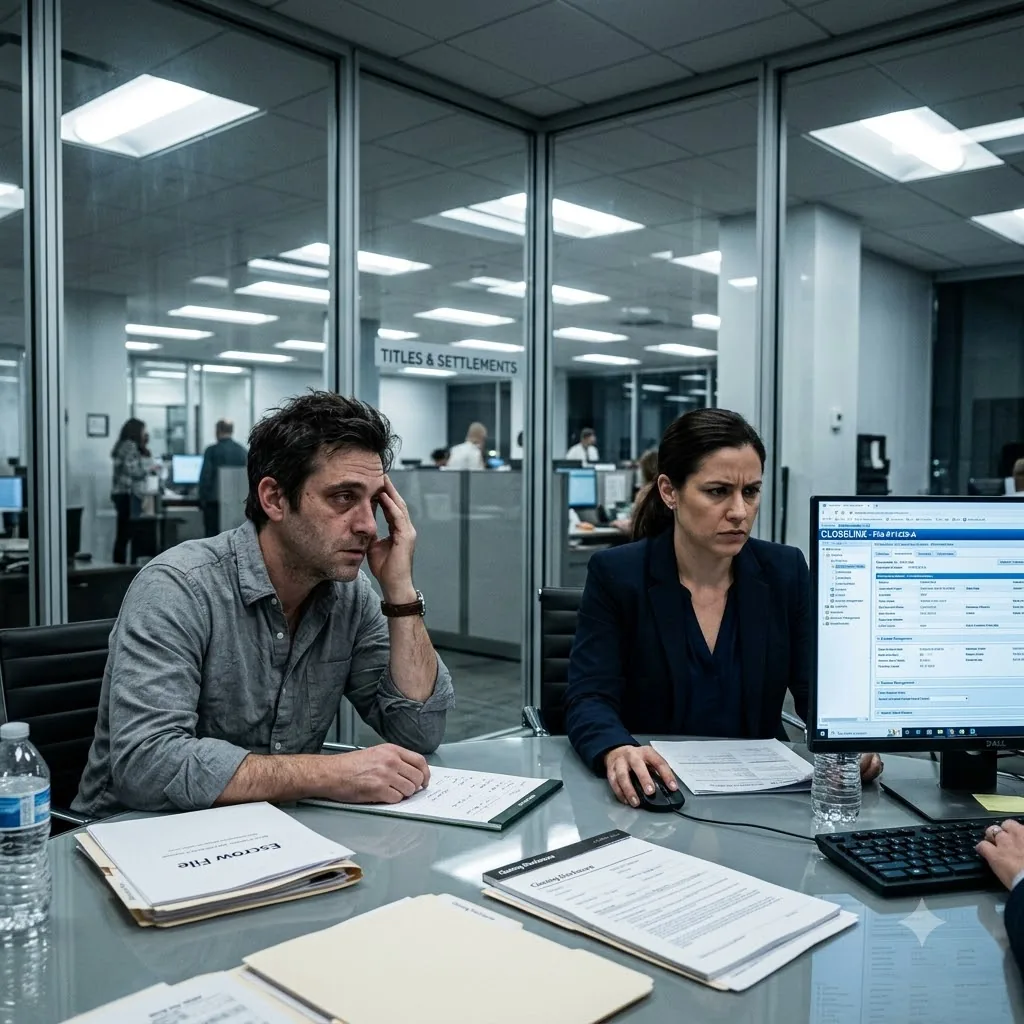
The fluorescent lights of the Meridian Title Company office hummed with a sterile, high-frequency buzz that made David’s molars ache. Across the frosted glass desk, Ms. Vargas tapped her acrylic nails against her mouse pad, the rhythmic click-clack accompanying the spinning loading wheel on her dual-monitor setup. David wiped his damp palms on the knees of his slacks and stared at the stack of closing documents waiting for his signature. The two-inch mountain of paper was the only thing standing between him and the modest three-bedroom craftsman he had been dreaming about for four years.
Ms. Vargas adjusted her wire-rimmed glasses and frowned at the screen. She murmured that the portal was taking longer than usual to verify the asset transfer, then reached out and struck the refresh key a second time.
David swallowed hard, tasting stale coffee and morning antacids. His phone buzzed in his pocket with another meaningless Slack notification from the engineering team, a stark reminder of the eighty-hour weeks he had poured into the startup. He ignored the vibration. This morning was supposed to be his finish line. He had surrendered his health, his sleep, and ultimately his marriage to build that company from a folding table in a garage to a unicorn valuation. The equity agreement in his portfolio was the only thing that made the memory of Sarah’s taillights pulling out of their driveway two years ago bearable. The vested shares were his absolute proof that the sacrifice had not been for nothing.
The house on Elm Street was supposed to be his fresh start. He wanted a quiet yard, a porch that did not overlook a concrete parking garage, and a place where he could finally learn to sleep through the night without a heart monitor. All he needed was the down payment to clear from his employee equity account.
Ms. Vargas let out a heavy sigh and clicked her mouse three more times. The sharp sounds echoed in the windowless room. She apologized for the delay and explained that the third-party equity management site was throwing a weird cache error. She asked if he had received any notices from his HR department about system maintenance.
David shook his head. He told her there had been no emails about downtime, just the standard congratulatory newsletter about their latest Series C funding round. The founder, Marcus, had stood on a desk popping champagne just last Friday, shouting about how everyone holding paper was about to see their lives change forever. David had practically memorized his vested share count. Forty thousand shares, fully vested, strike price pennies on the dollar, currently valued at enough to buy the Elm Street house in cash if he wanted to. He was only cashing out a fraction today to secure the mortgage.
The air conditioner kicked on, blasting a stream of freezing air directly onto the back of David’s neck. A phantom tightness gripped his chest, the exact same stress-induced angina he had developed during the brutal product launch last winter. He rubbed his sternum, watching the blue progress bar on Ms. Vargas’s screen crawl forward a millimeter, then freeze again.
She picked up her desk phone and punched in a four-digit extension. She spoke in hushed, clipped tones to a supervisor, stating that the clearinghouse API was rejecting the asset verification token for the client account ending in four-four-nine. David’s knee began to bounce. He pressed his heel into the commercial carpet to force it to stop.
The supervisor on the other end of the line murmured something indistinguishable. Ms. Vargas nodded, hung up the receiver, and turned back to David with a tight, professional smile that did not reach her eyes. She told him they were going to try a manual override to force the equity dashboard to display the raw ledger balance.
David leaned forward, the leather guest chair squeaking under his weight. He told her to go ahead. He recited his employee identification number from memory, the badge number he had worn around his neck for one thousand four hundred and sixty consecutive days.
Ms. Vargas typed the digits into the administrative portal. She hit enter.
The screen flashed white. The spinning wheel disappeared.
David exhaled a long breath, reaching for the heavy silver pen resting on the contract. He positioned his hand over the buyer’s signature line, ready to finalize the transaction, ready to claim his life back.
Ms. Vargas stopped breathing. Her hand hovered motionless above her mouse. The color drained completely from her face, leaving her foundation looking like a pale mask under the harsh lights.
David looked up from the paperwork. He tracked her horrified gaze to the right-side monitor. He stood up, his knee knocking hard against the underside of the heavy desk, and leaned over the frosted glass divider to see the raw ledger balance loading next to his employee identification number.
The fluorescent lights of the Meridian Title Company office hummed with a sterile, high-frequency buzz that made David’s molars ache. Across the frosted glass desk, Ms. Vargas tapped her acrylic nails against her mouse pad, the rhythmic click-clack accompanying the spinning loading wheel on her dual-monitor setup. David wiped his damp palms on the knees of his slacks and stared at the stack of closing documents waiting for his signature. The two-inch mountain of paper was the only thing standing between him and the modest three-bedroom craftsman he had been dreaming about for four years.
Ms. Vargas adjusted her wire-rimmed glasses and frowned at the screen. She murmured that the portal was taking longer than usual to verify the asset transfer, then reached out and struck the refresh key a second time.
David swallowed hard, tasting stale coffee and morning antacids. His phone buzzed in his pocket with another meaningless Slack notification from the engineering team, a stark reminder of the eighty-hour weeks he had poured into the startup. He ignored the vibration. This morning was supposed to be his finish line. He had surrendered his health, his sleep, and ultimately his marriage to build that company from a folding table in a garage to a unicorn valuation. The equity agreement in his portfolio was the only thing that made the memory of Sarah’s taillights pulling out of their driveway two years ago bearable. The vested shares were his absolute proof that the sacrifice had not been for nothing.
The house on Elm Street was supposed to be his fresh start. He wanted a quiet yard, a porch that did not overlook a concrete parking garage, and a place where he could finally learn to sleep through the night without a heart monitor. All he needed was the down payment to clear from his employee equity account.
Ms. Vargas let out a heavy sigh and clicked her mouse three more times. The sharp sounds echoed in the windowless room. She apologized for the delay and explained that the third-party equity management site was throwing a weird cache error. She asked if he had received any notices from his HR department about system maintenance.
David shook his head. He told her there had been no emails about downtime, just the standard congratulatory newsletter about their latest Series C funding round. The founder, Marcus, had stood on a desk popping champagne just last Friday, shouting about how everyone holding paper was about to see their lives change forever. David had practically memorized his vested share count. Forty thousand shares, fully vested, strike price pennies on the dollar, currently valued at enough to buy the Elm Street house in cash if he wanted to. He was only cashing out a fraction today to secure the mortgage.
The air conditioner kicked on, blasting a stream of freezing air directly onto the back of David’s neck. A phantom tightness gripped his chest, the exact same stress-induced angina he had developed during the brutal product launch last winter. He rubbed his sternum, watching the blue progress bar on Ms. Vargas’s screen crawl forward a millimeter, then freeze again.
She picked up her desk phone and punched in a four-digit extension. She spoke in hushed, clipped tones to a supervisor, stating that the clearinghouse API was rejecting the asset verification token for the client account ending in four-four-nine. David’s knee began to bounce. He pressed his heel into the commercial carpet to force it to stop.
The supervisor on the other end of the line murmured something indistinguishable. Ms. Vargas nodded, hung up the receiver, and turned back to David with a tight, professional smile that did not reach her eyes. She told him they were going to try a manual override to force the equity dashboard to display the raw ledger balance.
David leaned forward, the leather guest chair squeaking under his weight. He told her to go ahead. He recited his employee identification number from memory, the badge number he had worn around his neck for one thousand four hundred and sixty consecutive days.
Ms. Vargas typed the digits into the administrative portal. She hit enter.
The screen flashed white. The spinning wheel disappeared.
David exhaled a long breath, reaching for the heavy silver pen resting on the contract. He positioned his hand over the buyer’s signature line, ready to finalize the transaction, ready to claim his life back.
Ms. Vargas stopped breathing. Her hand hovered motionless above her mouse. The color drained completely from her face, leaving her foundation looking like a pale mask under the harsh lights.
David looked up from the paperwork. He tracked her horrified gaze to the right-side monitor. He stood up, his knee knocking hard against the underside of the heavy desk, and leaned over the frosted glass divider to see the raw ledger balance loading next to his employee identification number.