Story code: ST-000898
Part 1: The Blight Warrant
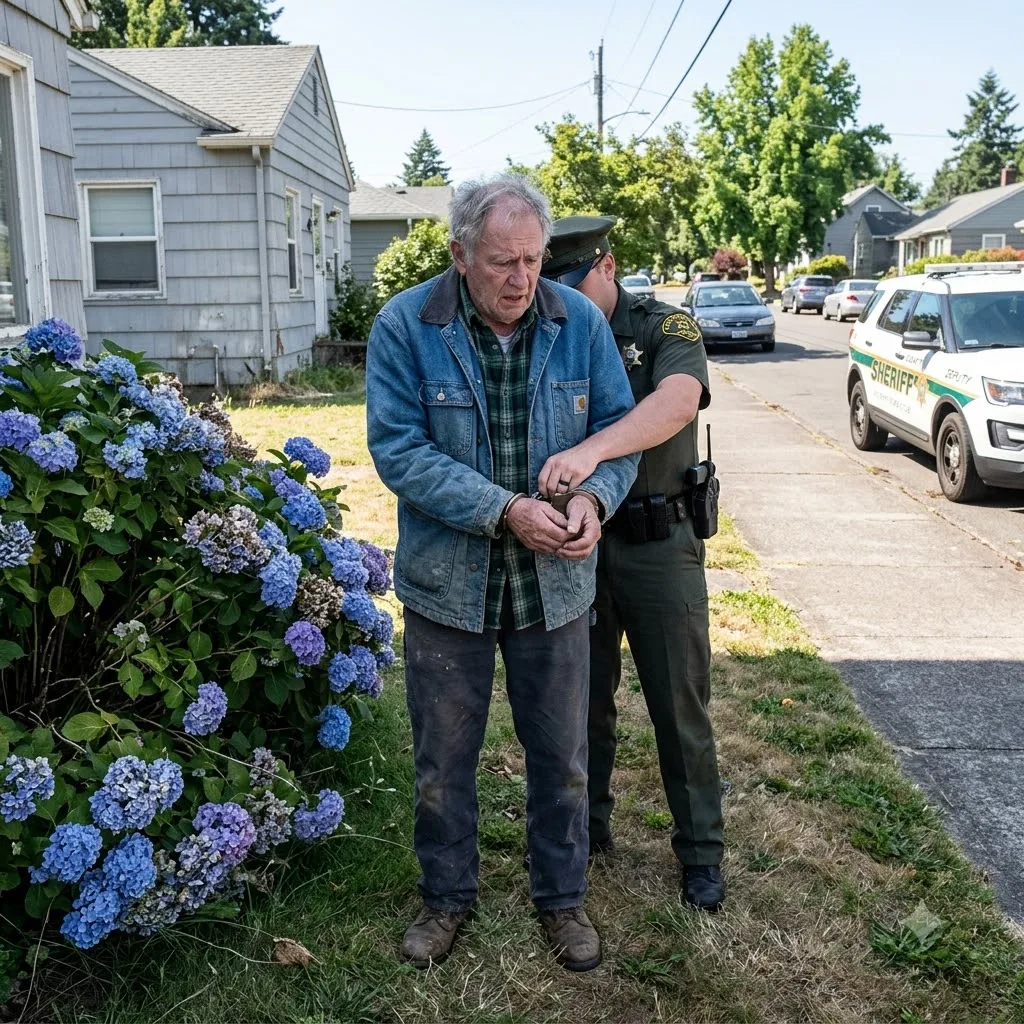
Arthur was midway through deadheading the Endless Summer hydrangeas when the crunch of tactical boots on his gravel drive broke the morning quiet. He turned, pruning shears still in his soil-stained canvas gloves, to find a county deputy blocking the sun. The officer was young, his uniform rigid and unyielding, one hand resting with practiced readiness on his utility belt. He offered no greeting. Instead, he unclipped a folded yellow document from a tactical vest pouch and called out Arthur’s full legal name.
Arthur nodded, lowering the sharp shears slowly to his side. He confirmed his identity and stated that he was busy tending to his perennial beds. The deputy stepped forward, closing the distance across the manicured lawn, and announced he was executing a civil non-compliance warrant. The phrase hung in the humid air, completely detached from reality. Arthur had resided in this brick ranch house for forty-two years. He paid his property taxes in full every October without fail and possessed a driving record devoid of even a minor speeding infraction. He informed the deputy there was a profound clerical error.
The deputy shook his head dismissively and read aloud from the yellow paper. The warrant cited a failure to appear for a mandatory municipal code tribunal, alongside forty-seven consecutive days of unpaid blight fines. The total balance supposedly exceeded eight thousand dollars in compounding administrative penalties and daily non-compliance levies. Arthur felt his knees lock just to keep himself upright. He explained carefully that he had never received a single notice, letter, or warning about a blight violation. His lawn was immaculately mowed every Thursday. His gutters were clear of debris. His house was objectively the most thoroughly maintained property on the entire cul-de-sac.
The deputy ignored the explanation entirely, his hand dropping to the back of his duty belt. The metallic, heavy ratcheting sound of handcuffs being drawn snapped the remaining tension in the garden. The deputy instructed Arthur to drop the shears immediately and turn around with his hands behind his back. Arthur froze, staring at the heavy interlocking steel rings glinting in the morning light. He stated clearly that he was seventy-eight years old, suffered from mild arthritis, and posed absolutely no physical threat to a trained officer. The deputy repeated the order, his voice dropping an octave, and stepped aggressively into Arthur’s personal space.
Arthur let the shears slip from his fingers. They landed with a dull, defeated thud in the fresh cedar mulch. He turned his back, feeling a deep, radiating heat flood his chest, neck, and face. The deputy grabbed his left wrist, twisting the joint backward with far more force than necessary for a compliant elderly man. The freezing steel bit violently into Arthur’s fragile, sun-spotted skin. The ratchet clicked tight, pinching a nerve that sent a sharp shock of pain up his forearm and into his elbow. His right wrist was abruptly yanked backward to meet the left. The cuffs clicked again, locking his frail arms in an unnatural, agonizing stretch that pulled tightly across his chest.
He stood there in his faded chambray work shirt and grass-stained sneakers, profoundly humiliated in the center of his own front yard. His shoulders ached fiercely from the awkward angle. The deputy roughly patted down Arthur’s pockets, extracting his reading glasses, a crushed tissue, and a half-empty packet of marigold seeds. Arthur stared down at the concrete pathway, completely unable to process the sheer speed and violence of the transition. Fifteen minutes ago, he had been calculating the right amount of compost to spread over the rose beds. Now he was a bound prisoner on his own property, chained over a municipal fee structure he had never seen or heard of.
The deputy firmly grasped Arthur by the upper bicep and marched him toward the waiting cruiser at the curb. Every step felt like pushing through deep, heavy water. The neighboring houses were quiet, but Arthur felt the invisible weight of eyes peering through living room blinds. The utter indignity of the forced march burned worse than the rigid metal cutting into his wrists. The deputy yanked open the rear door of the patrol car and pressed a heavy, unyielding hand down on the top of Arthur’s head, forcing him to fold his stiff, aching joints to cram into the narrow plastic back seat. The sharp smell of stale sweat and industrial chemical cleaner in the cruiser hit Arthur’s nose, making him nauseous.
Before the deputy slammed the heavy door, Arthur shifted awkwardly on the hard plastic bench to relieve the immense pressure tearing at his rotator cuffs. He looked out the reinforced, wire-mesh window toward the street. It was his street, the quiet, oak-lined road he had walked every evening for decades. Parked directly across from his driveway, partially concealed by the sweeping shadow of a massive oak tree, sat a silver Tacoma.
The truck was idling, a steady, thin wisp of exhaust curling from the tailpipe into the cool morning air. The heavily tinted driver-side window hummed downward just enough to reveal a face. A man in a crisp, expensive dress shirt sat behind the wheel, staring directly at the back of the police cruiser. Arthur did not recognize the man’s face, but he instantly recognized the intense, predatory, and proprietary gaze. As the deputy slammed the cruiser door shut, sealing Arthur inside the stifling municipal cage, the man in the Tacoma slowly raised a white paper coffee cup in a silent, deliberate toast.
Arthur was midway through deadheading the Endless Summer hydrangeas when the crunch of tactical boots on his gravel drive broke the morning quiet. He turned, pruning shears still in his soil-stained canvas gloves, to find a county deputy blocking the sun. The officer was young, his uniform rigid and unyielding, one hand resting with practiced readiness on his utility belt. He offered no greeting. Instead, he unclipped a folded yellow document from a tactical vest pouch and called out Arthur’s full legal name.
Arthur nodded, lowering the sharp shears slowly to his side. He confirmed his identity and stated that he was busy tending to his perennial beds. The deputy stepped forward, closing the distance across the manicured lawn, and announced he was executing a civil non-compliance warrant. The phrase hung in the humid air, completely detached from reality. Arthur had resided in this brick ranch house for forty-two years. He paid his property taxes in full every October without fail and possessed a driving record devoid of even a minor speeding infraction. He informed the deputy there was a profound clerical error.
The deputy shook his head dismissively and read aloud from the yellow paper. The warrant cited a failure to appear for a mandatory municipal code tribunal, alongside forty-seven consecutive days of unpaid blight fines. The total balance supposedly exceeded eight thousand dollars in compounding administrative penalties and daily non-compliance levies. Arthur felt his knees lock just to keep himself upright. He explained carefully that he had never received a single notice, letter, or warning about a blight violation. His lawn was immaculately mowed every Thursday. His gutters were clear of debris. His house was objectively the most thoroughly maintained property on the entire cul-de-sac.
The deputy ignored the explanation entirely, his hand dropping to the back of his duty belt. The metallic, heavy ratcheting sound of handcuffs being drawn snapped the remaining tension in the garden. The deputy instructed Arthur to drop the shears immediately and turn around with his hands behind his back. Arthur froze, staring at the heavy interlocking steel rings glinting in the morning light. He stated clearly that he was seventy-eight years old, suffered from mild arthritis, and posed absolutely no physical threat to a trained officer. The deputy repeated the order, his voice dropping an octave, and stepped aggressively into Arthur’s personal space.
Arthur let the shears slip from his fingers. They landed with a dull, defeated thud in the fresh cedar mulch. He turned his back, feeling a deep, radiating heat flood his chest, neck, and face. The deputy grabbed his left wrist, twisting the joint backward with far more force than necessary for a compliant elderly man. The freezing steel bit violently into Arthur’s fragile, sun-spotted skin. The ratchet clicked tight, pinching a nerve that sent a sharp shock of pain up his forearm and into his elbow. His right wrist was abruptly yanked backward to meet the left. The cuffs clicked again, locking his frail arms in an unnatural, agonizing stretch that pulled tightly across his chest.
He stood there in his faded chambray work shirt and grass-stained sneakers, profoundly humiliated in the center of his own front yard. His shoulders ached fiercely from the awkward angle. The deputy roughly patted down Arthur’s pockets, extracting his reading glasses, a crushed tissue, and a half-empty packet of marigold seeds. Arthur stared down at the concrete pathway, completely unable to process the sheer speed and violence of the transition. Fifteen minutes ago, he had been calculating the right amount of compost to spread over the rose beds. Now he was a bound prisoner on his own property, chained over a municipal fee structure he had never seen or heard of.
The deputy firmly grasped Arthur by the upper bicep and marched him toward the waiting cruiser at the curb. Every step felt like pushing through deep, heavy water. The neighboring houses were quiet, but Arthur felt the invisible weight of eyes peering through living room blinds. The utter indignity of the forced march burned worse than the rigid metal cutting into his wrists. The deputy yanked open the rear door of the patrol car and pressed a heavy, unyielding hand down on the top of Arthur’s head, forcing him to fold his stiff, aching joints to cram into the narrow plastic back seat. The sharp smell of stale sweat and industrial chemical cleaner in the cruiser hit Arthur’s nose, making him nauseous.
Before the deputy slammed the heavy door, Arthur shifted awkwardly on the hard plastic bench to relieve the immense pressure tearing at his rotator cuffs. He looked out the reinforced, wire-mesh window toward the street. It was his street, the quiet, oak-lined road he had walked every evening for decades. Parked directly across from his driveway, partially concealed by the sweeping shadow of a massive oak tree, sat a silver Tacoma.
The truck was idling, a steady, thin wisp of exhaust curling from the tailpipe into the cool morning air. The heavily tinted driver-side window hummed downward just enough to reveal a face. A man in a crisp, expensive dress shirt sat behind the wheel, staring directly at the back of the police cruiser. Arthur did not recognize the man’s face, but he instantly recognized the intense, predatory, and proprietary gaze. As the deputy slammed the cruiser door shut, sealing Arthur inside the stifling municipal cage, the man in the Tacoma slowly raised a white paper coffee cup in a silent, deliberate toast.