Story code: ST-000910
Part 1: The Midnight Deadline
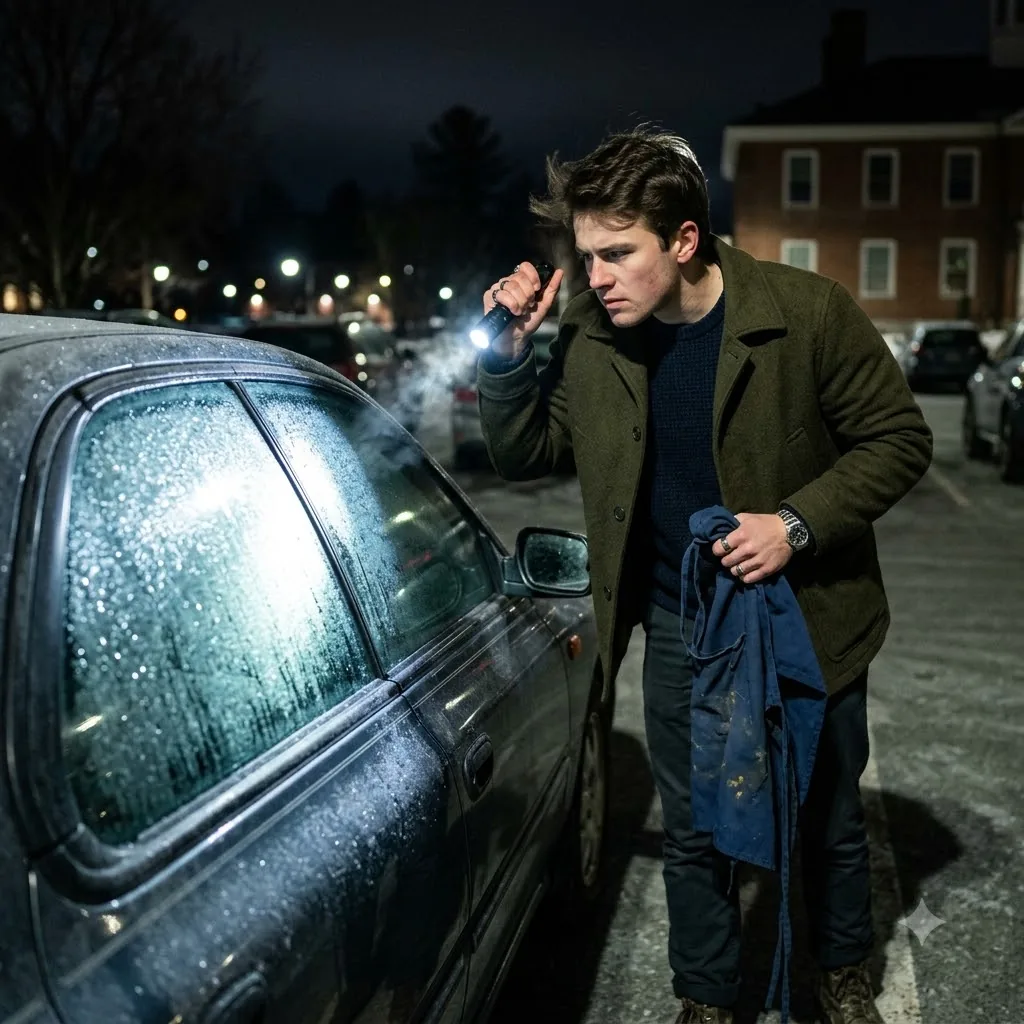
My breath plumed into thick white clouds in the cramped backseat of my Honda Civic, fogging the windows just enough to hide the glow of my grading tablet. I had three sweaters layered under my wool coat and my legs stuffed into a sub-zero sleeping bag, but the brutal February freeze still bit through the floorboards of the stadium parking lot. I tapped the stylus against the screen, marking another zero on a plagiarism-riddled essay, desperate to finish the stack so I could turn on the engine for five minutes of heat. Then, the harsh, sweeping beam of a heavy-duty flashlight shattered the frost on my driver-side window.
My stomach bottomed out completely. Campus security had finally caught on to my routine. I had been dodging the overnight parking patrols for three grueling weeks, rotating between this lot and the commuter garage, absolutely terrified of losing the only shelter I had left. An adjunct professor’s salary at this elite university barely covered my student loan minimums, let alone the security deposits required for a Boston apartment. I scrambled awkwardly over the center console, preparing my most pathetic, groveling apology for whoever was about to write the citation that would ruin me. I cracked the glass down two inches, shivering as the violent, icy wind whipped inside the cabin.
The flashlight beam dropped, revealing a face I recognized immediately. It was not a security guard standing in the snow. It was Carter Van Der Waal, the legacy sophomore whose term paper on macroeconomics I had just slapped with a hard, undeniable failing grade less than four hours ago. He was wearing a designer parka that cost more than my entire vehicle, leaning casually against my door frame like we were chatting outside a campus café on a spring afternoon.
“Professor Rossi,” he said, his voice dripping with that unbearable country-club confidence. “We need to have a little chat about my grade.”
I stared at him, gripping the edge of the freezing steering wheel to hide the violent tremor in my hands. “Step away from my car, Carter. Office hours are on Tuesday afternoon. We can discuss your academic performance then.”
He chuckled, a low, breathy sound that made the skin on the back of my neck crawl. He did not step away. Instead, he reached into his deep, fur-lined pocket and pulled out a bundle of pale blue fabric. He shook it out over the snow, letting it drape over his leather-gloved hand. It was a standard-issue university dining hall apron. There was a small, crude patch sewn over the left pocket-a tiny embroidered yellow daisy.
The air stopped moving in my lungs. That was my mother’s apron. She had stitched that daisy herself to tell hers apart from the hundreds of others in the industrial laundry bins. She worked the brutal early morning prep shift, hauling forty-pound bags of flour in the basement of the exact same dining hall where Carter and his fraternity brothers threw their trays on the tables for someone else to bus.
“I recognized her from the framed photo on your office desk,” Carter said, his tone conversational and light, devoid of any guilt. “Elena Rossi and Maria Rossi. Striking resemblance around the eyes. I figured I should do a little digging after I saw that unfortunate score on my paper. My father is on the Board of Trustees, as you know. He has unrestricted access to all the payroll and human resources records. It took exactly one phone call to find out that Maria Rossi’s Social Security number belongs to a deceased man from Ohio.”
I could not force my mouth to form a single word. The bone-deep cold in the car was entirely gone, replaced by a roaring, suffocating heat flooding my ears. My mother had been in this country for nineteen years, keeping her head down, scrubbing industrial pots, avoiding eye contact with anyone wearing a uniform. She had sacrificed everything so I could scrape my way to a Ph.D., only for me to end up grading papers in a freezing sedan. Now, this smirking nineteen-year-old was dangling her entire life, her freedom, from his insulated gloves.
“Tell me exactly what you want,” I managed to whisper, my voice cracking on the command.
“That failing grade on my transcript means I lose my summer internship at Goldman Sachs,” Carter said, folding the apron back up with deliberate, agonizing slowness. “I absolutely cannot let that happen. You are going to log into the faculty portal tonight and change that F to an A. You will cite a calculation error on your part. You will be very apologetic to the registrar.”
I stared at the bright yellow daisy on the blue fabric. “I will be fired and blacklisted for academic fraud. They heavily audit grade changes that drastic at the end of the term.”
Carter leaned closer, his face inches from the two-inch crack in my window, his breath smelling heavily of expensive scotch and peppermint. “That sounds like a personal problem, Elena. If that grade is not updated in the system by midnight, I make a second phone call. The federal immigration tip line is very easy to use. The university would also face massive fines for employing undocumented labor, meaning they will definitely press state charges against her for the fraudulent paperwork before she gets deported.”
The sheer, calculated cruelty of his plan paralyzed me. He was perfectly calm, perfectly insulated from the catastrophic consequences of his actions. He held the apron up to the narrow gap in the window, shoving a corner of the rough blue fabric inside the car.
“Take it,” he instructed, his voice hardening into an order. “She left it in the locker room. I figured she would need it for her shift tomorrow morning. Assuming she still has a shift tomorrow morning.”
I reached out with trembling fingers and took the fabric. It was ice-cold to the touch. Carter stepped back from my door, clicking his heavy-duty flashlight back on and shining it right into my eyes.
“Midnight, Professor,” he said, tapping the frozen hood of my car twice with his knuckles. “I will be refreshing my browser.”
He turned and walked away, his heavy boots crunching loudly on the salted ice of the parking lot. I sat frozen in the driver’s seat, clutching the canvas to my chest as the digital clock on my dashboard flipped to ten-fourteen, leaving me exactly ninety-six minutes to permanently destroy my own career or watch my mother get torn away from me forever.
My breath plumed into thick white clouds in the cramped backseat of my Honda Civic, fogging the windows just enough to hide the glow of my grading tablet. I had three sweaters layered under my wool coat and my legs stuffed into a sub-zero sleeping bag, but the brutal February freeze still bit through the floorboards of the stadium parking lot. I tapped the stylus against the screen, marking another zero on a plagiarism-riddled essay, desperate to finish the stack so I could turn on the engine for five minutes of heat. Then, the harsh, sweeping beam of a heavy-duty flashlight shattered the frost on my driver-side window.
My stomach bottomed out completely. Campus security had finally caught on to my routine. I had been dodging the overnight parking patrols for three grueling weeks, rotating between this lot and the commuter garage, absolutely terrified of losing the only shelter I had left. An adjunct professor’s salary at this elite university barely covered my student loan minimums, let alone the security deposits required for a Boston apartment. I scrambled awkwardly over the center console, preparing my most pathetic, groveling apology for whoever was about to write the citation that would ruin me. I cracked the glass down two inches, shivering as the violent, icy wind whipped inside the cabin.
The flashlight beam dropped, revealing a face I recognized immediately. It was not a security guard standing in the snow. It was Carter Van Der Waal, the legacy sophomore whose term paper on macroeconomics I had just slapped with a hard, undeniable failing grade less than four hours ago. He was wearing a designer parka that cost more than my entire vehicle, leaning casually against my door frame like we were chatting outside a campus café on a spring afternoon.
“Professor Rossi,” he said, his voice dripping with that unbearable country-club confidence. “We need to have a little chat about my grade.”
I stared at him, gripping the edge of the freezing steering wheel to hide the violent tremor in my hands. “Step away from my car, Carter. Office hours are on Tuesday afternoon. We can discuss your academic performance then.”
He chuckled, a low, breathy sound that made the skin on the back of my neck crawl. He did not step away. Instead, he reached into his deep, fur-lined pocket and pulled out a bundle of pale blue fabric. He shook it out over the snow, letting it drape over his leather-gloved hand. It was a standard-issue university dining hall apron. There was a small, crude patch sewn over the left pocket-a tiny embroidered yellow daisy.
The air stopped moving in my lungs. That was my mother’s apron. She had stitched that daisy herself to tell hers apart from the hundreds of others in the industrial laundry bins. She worked the brutal early morning prep shift, hauling forty-pound bags of flour in the basement of the exact same dining hall where Carter and his fraternity brothers threw their trays on the tables for someone else to bus.
“I recognized her from the framed photo on your office desk,” Carter said, his tone conversational and light, devoid of any guilt. “Elena Rossi and Maria Rossi. Striking resemblance around the eyes. I figured I should do a little digging after I saw that unfortunate score on my paper. My father is on the Board of Trustees, as you know. He has unrestricted access to all the payroll and human resources records. It took exactly one phone call to find out that Maria Rossi’s Social Security number belongs to a deceased man from Ohio.”
I could not force my mouth to form a single word. The bone-deep cold in the car was entirely gone, replaced by a roaring, suffocating heat flooding my ears. My mother had been in this country for nineteen years, keeping her head down, scrubbing industrial pots, avoiding eye contact with anyone wearing a uniform. She had sacrificed everything so I could scrape my way to a Ph.D., only for me to end up grading papers in a freezing sedan. Now, this smirking nineteen-year-old was dangling her entire life, her freedom, from his insulated gloves.
“Tell me exactly what you want,” I managed to whisper, my voice cracking on the command.
“That failing grade on my transcript means I lose my summer internship at Goldman Sachs,” Carter said, folding the apron back up with deliberate, agonizing slowness. “I absolutely cannot let that happen. You are going to log into the faculty portal tonight and change that F to an A. You will cite a calculation error on your part. You will be very apologetic to the registrar.”
I stared at the bright yellow daisy on the blue fabric. “I will be fired and blacklisted for academic fraud. They heavily audit grade changes that drastic at the end of the term.”
Carter leaned closer, his face inches from the two-inch crack in my window, his breath smelling heavily of expensive scotch and peppermint. “That sounds like a personal problem, Elena. If that grade is not updated in the system by midnight, I make a second phone call. The federal immigration tip line is very easy to use. The university would also face massive fines for employing undocumented labor, meaning they will definitely press state charges against her for the fraudulent paperwork before she gets deported.”
The sheer, calculated cruelty of his plan paralyzed me. He was perfectly calm, perfectly insulated from the catastrophic consequences of his actions. He held the apron up to the narrow gap in the window, shoving a corner of the rough blue fabric inside the car.
“Take it,” he instructed, his voice hardening into an order. “She left it in the locker room. I figured she would need it for her shift tomorrow morning. Assuming she still has a shift tomorrow morning.”
I reached out with trembling fingers and took the fabric. It was ice-cold to the touch. Carter stepped back from my door, clicking his heavy-duty flashlight back on and shining it right into my eyes.
“Midnight, Professor,” he said, tapping the frozen hood of my car twice with his knuckles. “I will be refreshing my browser.”
He turned and walked away, his heavy boots crunching loudly on the salted ice of the parking lot. I sat frozen in the driver’s seat, clutching the canvas to my chest as the digital clock on my dashboard flipped to ten-fourteen, leaving me exactly ninety-six minutes to permanently destroy my own career or watch my mother get torn away from me forever.