Story code: ST-000983
Part 1: Three Banker’s Boxes
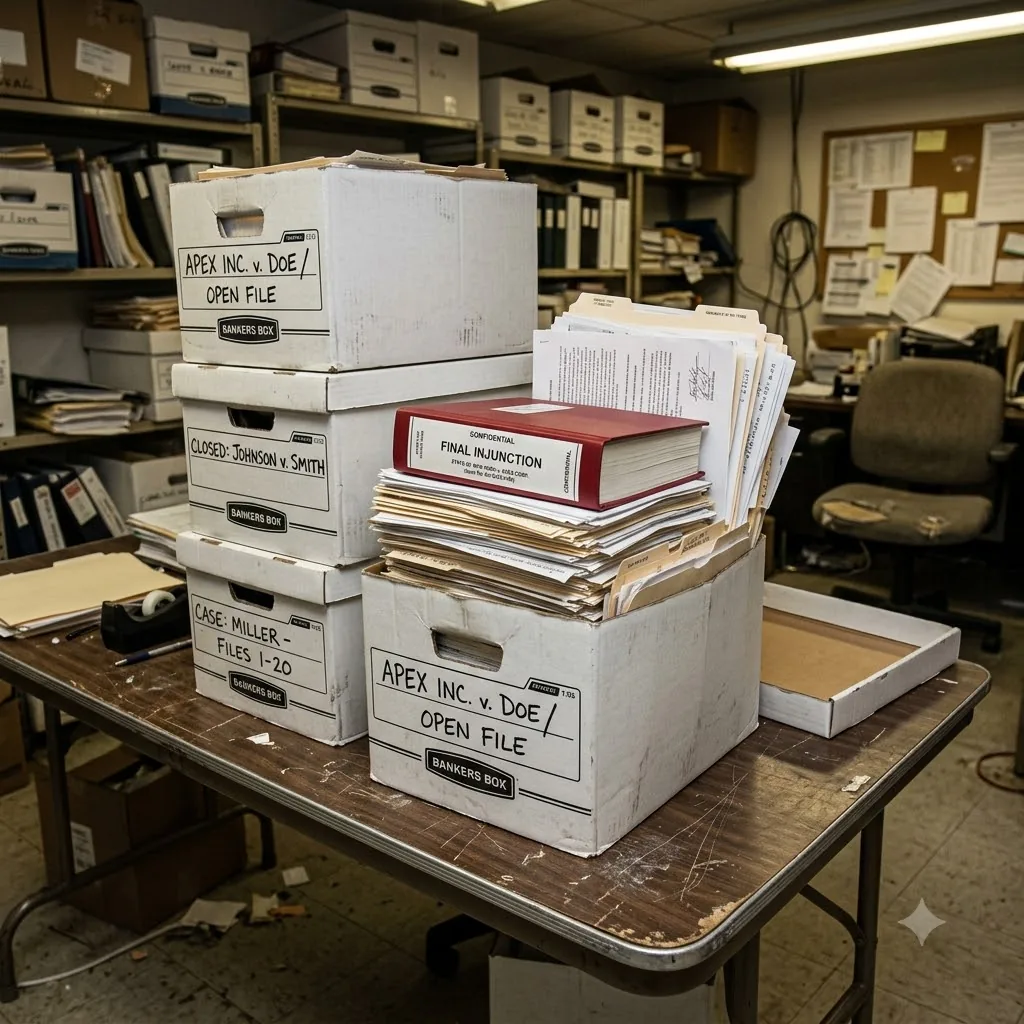
The courier did not knock before dropping the first reinforced cardboard banker’s box onto Maya’s cheap plastic folding table. The resin surface bowed instantly under the sudden weight, threatening to collapse. He dropped a second box beside it, then a third, wiping a thick sheen of sweat from his forehead before thrusting a digital clipboard toward her chest. Maya signed the screen with a frantic motion. She had waited twenty-four months for the final state environmental permits for the offshore wind farm. Three heavy boxes seemed utterly excessive for a routine coastal commission sign-off, but state bureaucracy never prioritized paper conservation. The courier pivoted on his heel and left the cramped storefront office without a single word, the glass door rattling violently in its aluminum frame.
Maya grabbed a pair of safety scissors from her mug of pens. She sliced through the reinforced packing tape on the top box, the blade snagging on the thick adhesive. The cardboard flaps sprang open, releasing the sharp, sterile scent of fresh printer toner and bleached paper. She fully expected to see the state seal, a glossy cover sheet, or the signature of the regional director. Instead, she found a stark white binder spanning four inches thick. The bold black font on the spine read Preliminary Injunction Request – Volume 1 of 4. Her lungs seized. She pulled the heavy binder free and dropped it onto the bowing table. The title page listed the civil court division, a case number stamped in angry red ink, and a plaintiff she had never encountered in all her years of local advocacy. The Coastal Avian Alliance.
Maya traced the embossed letters with her index finger, her pulse drumming against her temples. Two years of community meetings, exhaustive soil samples, and expensive grid impact studies sat locked in a rusted filing cabinet behind her. The offshore turbines were scheduled to break ground in eleven days. Now she was staring at nine hundred pages of dense legal blockade. She flipped to the executive summary section. The text cited a sudden, critical threat to migratory tern nesting patterns, demanding an immediate and indefinite halt to all construction along the bluffs. She reached into the box and pulled out a stack of exhibits. Glossy photographs of birds, topographical maps, and heavily redacted environmental studies filled the manila folders. None of it made sense. The local Audubon chapter had endorsed the wind farm six months ago. She flipped to the back of the binder to find the legal representation. An elite corporate litigation firm from the city was listed at the bottom, but it was the plaintiff’s registered corporate address printed just above it that stopped her hand mid-page.
The registered address printed directly under The Coastal Avian Alliance was 400 Pelican Way. Maya stared at the suite of numbers and letters, the air in the room suddenly turning thin and cold. She knew that exact address by heart. She had mailed hand-written thank-you notes to that address every single quarter for the last two years. It was the sprawling waterfront compound of Richard Vance. Richard was the billionaire philanthropist whose charitable foundation provided ninety percent of the seed funding for Maya’s nonprofit energy initiative. He had stood right next to her at the ribbon-cutting for their new community office, shaking hands with the mayor and smiling broadly for the local press photographers. He had personally paid for the early feasibility studies. Now, his private residential address was anchoring a massive lawsuit designed to kill the project permanently. She grabbed the second box and tore the packing tape with her bare hands, ignoring the sting as the adhesive ripped at her cuticles. More thick binders. More extensive exhibits. Volume after volume of expensive, meticulously researched legal ammunition, all funded and filed by the man who had shaken her hand and told her she was saving the coast.
Maya left the open binders scattered across the table and snatched her car keys from the brass hook by the door. She did not bother to lock the storefront behind her. The drive to Pelican Way usually took twenty minutes, but Maya covered the distance in twelve. The coastal highway twisted aggressively along the steep cliffs, offering brief, flashing views of the empty gray water where the first turbine foundations were scheduled to be poured. She gripped the steering wheel until her knuckles turned entirely white, her mind racing through a dozen impossible scenarios. The heavy pine trees flanking the two-lane highway began to thicken, signaling the edge of the exclusive residential enclave. The sprawling properties here were hidden behind towering hedges and immaculate stone walls. Maya navigated the sharp, familiar curves, her tires biting harshly into the asphalt. She needed to look Richard in the eye. She needed to drop the first volume of the injunction onto his custom mahogany desk and watch his expression shift. She had to know if this was some bureaucratic error, a rogue lawyer misusing a donor’s address, or a deliberate execution of her life’s work.
She turned sharply onto Pelican Way, the tires kicking up a frantic spray of white gravel. The private road dead-ended at the massive wrought-iron gates of Richard’s estate. Huge stone pillars flanked the entrance, each topped with a dormant black security camera. Maya slammed the brakes and threw the car into park, leaving the engine idling loudly in the center of the circular driveway. The heavy gates were standing wide open. A commercial landscaping truck was just pulling out, the driver giving her a distracted wave as he steered past her bumper. This was her chance. She stepped out of her car and marched directly toward the opening. The gravel crunched loudly under her boots. She could see the sprawling glass-and-timber mansion sitting at the end of the long, manicured driveway, its massive windows reflecting the dreary overcast sky. She fixed her eyes on the heavy oak front door, determined to reach the porch. A low, vibrating mechanical hum suddenly echoed through the stone pillars. Maya broke into a desperate jog. The massive iron gates began to swing inward. She sprinted the last few yards, reaching her arms out to slip through the rapidly narrowing gap. The metal hinges groaned, accelerating their sweeping arc. Maya lunged forward, her fingers grazing the cold metal. The heavy iron bars slammed together with a loud, final click.
The courier did not knock before dropping the first reinforced cardboard banker’s box onto Maya’s cheap plastic folding table. The resin surface bowed instantly under the sudden weight, threatening to collapse. He dropped a second box beside it, then a third, wiping a thick sheen of sweat from his forehead before thrusting a digital clipboard toward her chest. Maya signed the screen with a frantic motion. She had waited twenty-four months for the final state environmental permits for the offshore wind farm. Three heavy boxes seemed utterly excessive for a routine coastal commission sign-off, but state bureaucracy never prioritized paper conservation. The courier pivoted on his heel and left the cramped storefront office without a single word, the glass door rattling violently in its aluminum frame.
Maya grabbed a pair of safety scissors from her mug of pens. She sliced through the reinforced packing tape on the top box, the blade snagging on the thick adhesive. The cardboard flaps sprang open, releasing the sharp, sterile scent of fresh printer toner and bleached paper. She fully expected to see the state seal, a glossy cover sheet, or the signature of the regional director. Instead, she found a stark white binder spanning four inches thick. The bold black font on the spine read Preliminary Injunction Request – Volume 1 of 4. Her lungs seized. She pulled the heavy binder free and dropped it onto the bowing table. The title page listed the civil court division, a case number stamped in angry red ink, and a plaintiff she had never encountered in all her years of local advocacy. The Coastal Avian Alliance.
Maya traced the embossed letters with her index finger, her pulse drumming against her temples. Two years of community meetings, exhaustive soil samples, and expensive grid impact studies sat locked in a rusted filing cabinet behind her. The offshore turbines were scheduled to break ground in eleven days. Now she was staring at nine hundred pages of dense legal blockade. She flipped to the executive summary section. The text cited a sudden, critical threat to migratory tern nesting patterns, demanding an immediate and indefinite halt to all construction along the bluffs. She reached into the box and pulled out a stack of exhibits. Glossy photographs of birds, topographical maps, and heavily redacted environmental studies filled the manila folders. None of it made sense. The local Audubon chapter had endorsed the wind farm six months ago. She flipped to the back of the binder to find the legal representation. An elite corporate litigation firm from the city was listed at the bottom, but it was the plaintiff’s registered corporate address printed just above it that stopped her hand mid-page.
The registered address printed directly under The Coastal Avian Alliance was 400 Pelican Way. Maya stared at the suite of numbers and letters, the air in the room suddenly turning thin and cold. She knew that exact address by heart. She had mailed hand-written thank-you notes to that address every single quarter for the last two years. It was the sprawling waterfront compound of Richard Vance. Richard was the billionaire philanthropist whose charitable foundation provided ninety percent of the seed funding for Maya’s nonprofit energy initiative. He had stood right next to her at the ribbon-cutting for their new community office, shaking hands with the mayor and smiling broadly for the local press photographers. He had personally paid for the early feasibility studies. Now, his private residential address was anchoring a massive lawsuit designed to kill the project permanently. She grabbed the second box and tore the packing tape with her bare hands, ignoring the sting as the adhesive ripped at her cuticles. More thick binders. More extensive exhibits. Volume after volume of expensive, meticulously researched legal ammunition, all funded and filed by the man who had shaken her hand and told her she was saving the coast.
Maya left the open binders scattered across the table and snatched her car keys from the brass hook by the door. She did not bother to lock the storefront behind her. The drive to Pelican Way usually took twenty minutes, but Maya covered the distance in twelve. The coastal highway twisted aggressively along the steep cliffs, offering brief, flashing views of the empty gray water where the first turbine foundations were scheduled to be poured. She gripped the steering wheel until her knuckles turned entirely white, her mind racing through a dozen impossible scenarios. The heavy pine trees flanking the two-lane highway began to thicken, signaling the edge of the exclusive residential enclave. The sprawling properties here were hidden behind towering hedges and immaculate stone walls. Maya navigated the sharp, familiar curves, her tires biting harshly into the asphalt. She needed to look Richard in the eye. She needed to drop the first volume of the injunction onto his custom mahogany desk and watch his expression shift. She had to know if this was some bureaucratic error, a rogue lawyer misusing a donor’s address, or a deliberate execution of her life’s work.
She turned sharply onto Pelican Way, the tires kicking up a frantic spray of white gravel. The private road dead-ended at the massive wrought-iron gates of Richard’s estate. Huge stone pillars flanked the entrance, each topped with a dormant black security camera. Maya slammed the brakes and threw the car into park, leaving the engine idling loudly in the center of the circular driveway. The heavy gates were standing wide open. A commercial landscaping truck was just pulling out, the driver giving her a distracted wave as he steered past her bumper. This was her chance. She stepped out of her car and marched directly toward the opening. The gravel crunched loudly under her boots. She could see the sprawling glass-and-timber mansion sitting at the end of the long, manicured driveway, its massive windows reflecting the dreary overcast sky. She fixed her eyes on the heavy oak front door, determined to reach the porch. A low, vibrating mechanical hum suddenly echoed through the stone pillars. Maya broke into a desperate jog. The massive iron gates began to swing inward. She sprinted the last few yards, reaching her arms out to slip through the rapidly narrowing gap. The metal hinges groaned, accelerating their sweeping arc. Maya lunged forward, her fingers grazing the cold metal. The heavy iron bars slammed together with a loud, final click.