Story code: ST-000983
Part 2: The Settlement Squeeze
Maya pressed her face against the cold iron bars, her breath pluming in the damp coastal air. She gripped the metal so tightly her joints ached, shaking the gate with a sudden, useless surge of adrenaline. It didn’t yield a fraction of an inch. Through the intricate ironwork, she watched the manicured driveway stretch toward the massive glass-and-timber mansion. A figure in a dark suit crossed the expansive floor-to-ceiling windows on the second floor, paused, and turned away.
She knew it was Richard. He was up there, likely sipping his imported mineral water, watching her bang on his gate like a stray dog.
Maya stepped back, her chest heaving, and scanned the stone pillar for an intercom. She found a brushed steel panel and jammed her thumb against the call button. The line hissed with static for ten agonizing seconds before a crisp, disembodied voice crackled through the speaker.
“Vance residence.” It was David, Richard’s chief of staff.
“David, open the gate,” Maya demanded, her voice cracking. “I know Richard is in there. I need to talk to him right now.”
“Maya,” David said, his tone entirely devoid of the warmth he usually deployed at their charity galas. “Mr. Vance is currently unavailable. Furthermore, we have been instructed by counsel to direct all communications regarding the offshore initiative to the firm of Sterling and Hayes. You should have received their preliminary filings this morning.”
“He’s suing me!” Maya shouted at the metal box. “He funded this project for two years, and now he’s claiming we’re killing nesting grounds that don’t even exist on the bluffs! David, tell him to come down here. This has to be a mistake.”
“There is no mistake,” David replied smoothly. “Please step away from the perimeter, Maya. You are trespassing on private property.”
The intercom let out a sharp beep, followed by dead silence.
Maya stared at the steel panel, the reality of the betrayal settling into her bones like lead. She stumbled back to her idling car, her legs suddenly feeling hollow. Before she could even shift into drive, her phone erupted with the harsh, digitized ringtone she had assigned to her construction foreman, Marcus. She grabbed it off the passenger seat.
“Marcus, I know,” she said, cutting him off before he could speak. “I just got the injunction boxes. I’m dealing with it.”
“You’re not dealing with it fast enough,” Marcus yelled over the grinding roar of a diesel engine in the background. “The port authority just chained the staging yard. They got served by a process server an hour ago. And that’s not even the worst part. I just tried to run the weekly retainer for the crane operators through the escrow account. It bounced, Maya. The bank says the account is frozen pending a legal review triggered by the primary donor.”
Maya’s stomach plummeted. “Richard froze the escrow?”
“I don’t know who froze it, but I have thirty union guys standing around drinking coffee who aren’t going to wait until next week to get paid. If we don’t clear that retainer by five o’clock today, they’re walking off the job. If they walk, we lose our spot in the union queue. We won’t get another crane crew for six months.”
“Give me until three o’clock,” Maya said, her voice trembling despite her desperate attempt to sound authoritative. “Do not let them leave.”
She ended the call and threw the phone onto the dashboard. Without the escrow account, her nonprofit was functionally bankrupt. Richard hadn’t just filed a lawsuit; he had cut her supply lines simultaneously. He knew she didn’t have a legal war chest. She had funneled every spare dollar into community outreach and environmental impact studies.
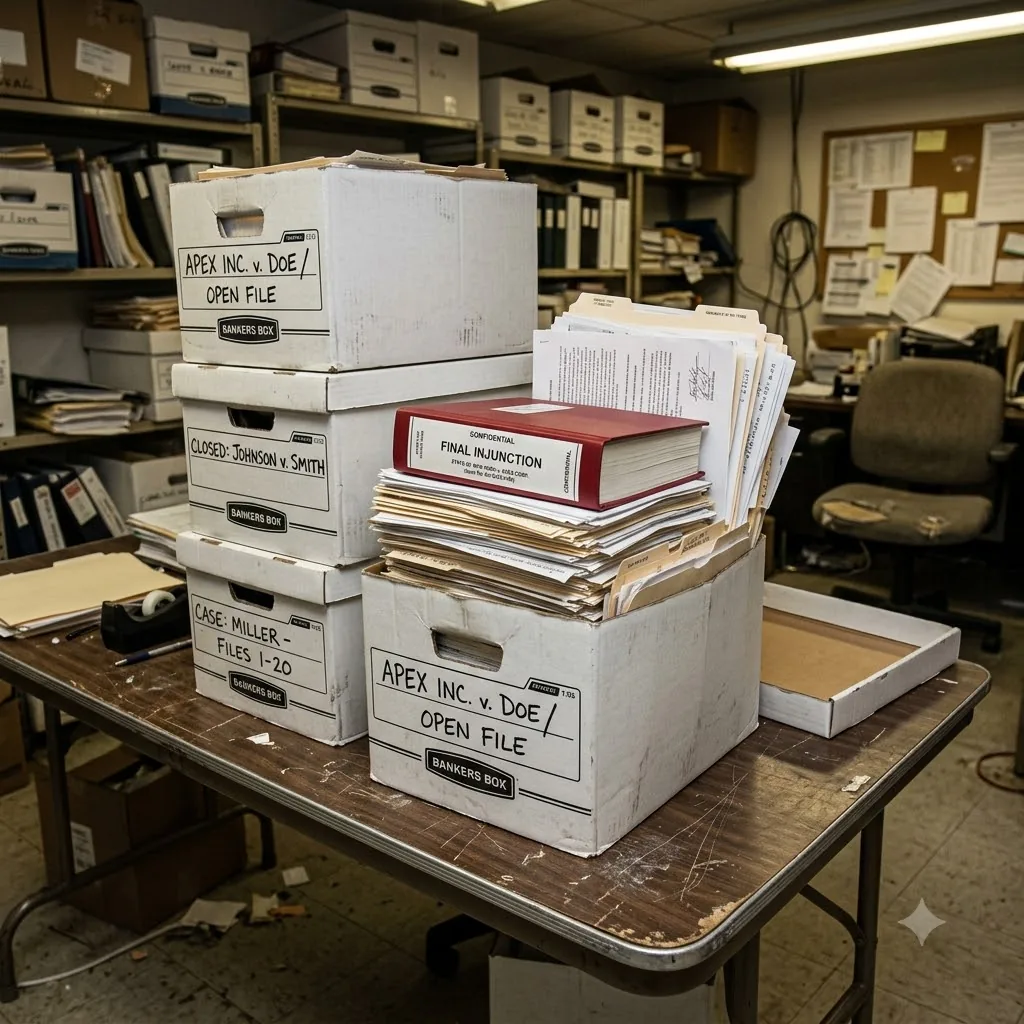
She threw the car into gear and sped back down the twisting coastal highway, her mind scrambling for leverage. She returned to the cramped storefront office, the door still hanging wide open to the gloomy street. The three banker’s boxes dominated the folding table, a monument to her naivety. She threw her jacket onto a chair and dragged the first massive binder toward her.
There had to be a flaw. Nine hundred pages of litigation assembled this quickly had to contain a structural weakness. Maya bypassed the dense legal jargon of the preliminary injunction and flipped straight to the exhibits in Volume Three. She skimmed the soil reports, the topographical charts, and the wildlife surveys. Her eyes caught on the incorporation date of the plaintiff, the Coastal Avian Alliance.
The state stamp in the upper right corner read October 14th.
Maya rubbed her eyes and stared at the date again. The state had approved her final offshore permits on September 20th. The Coastal Avian Alliance hadn’t existed for years, protecting imaginary birds. It was incorporated just three weeks after she got the green light to build. It was a phantom organization built exclusively to file this lawsuit.
She frantically tore into the second box, pulling out folders of heavily redacted environmental studies. She cross-referenced the GPS coordinates listed in the “endangered nesting zone” against her own turbine maps. The coordinates didn’t align with the wind farm’s footprint. They aligned perfectly with the exact sightline between Richard Vance’s second-story master balcony and the ocean horizon.
The offshore turbines wouldn’t kill any terns. They would just ruin a billionaire’s unobstructed sunset view.
Maya dug deeper, her fingers slicing on the edge of a thick manila envelope buried at the bottom of the third box. She ignored the line of blood beading on her thumb and ripped the clasp open. Inside was a crisp, five-page document printed on heavy stock paper. It wasn’t filed with the court. It was a drafted, unsigned settlement agreement from Sterling and Hayes.
She read the terms, her breath hitching. The Coastal Avian Alliance would withdraw the injunction entirely and release all frozen escrow funds immediately. In exchange, Maya’s nonprofit would sign a binding admission that the bluffs were ecologically compromised and agree to relocate the wind farm to a designated site forty miles north.
Maya knew the northern site. It was a dead zone. The ocean floor dropped off too steeply for the turbine foundations, and the nearest grid interconnection point was fifty miles away. Moving the project there would make it financially impossible to build. But the final clause of the settlement made her stomach churn. If she agreed to the relocation, Richard’s foundation would instantly award her nonprofit a ten-million-dollar “conservation transition grant” to cover all administrative costs.
It was a bribe. A perfectly legal, thoroughly documented bribe. He was offering to make her a millionaire, fully funded for the next decade, as long as she willingly killed her own project and kept his view pristine. If she refused, she couldn’t pay her crew at five o’clock, and the project died anyway.
Her phone buzzed against the resin table. The caller ID flashed the name of a senior editor at the state’s largest newspaper. The press already had the injunction filings. She stared at the ringing phone, the ten-million-dollar settlement resting beneath her bleeding thumb.