Story code: ST-001332
Part 2: The Bluegrass Mandate
The yellow of the skid-steer loader was the wrong shade. It was a harsh, industrial mustard that clashed violently with the organic greens and browns of Elias’s world. The machine’s diesel engine idled with a rhythmic, percussive thud that vibrated through the soles of Elias’s boots, traveling up his shins and settling as a hard knot in his stomach. He kept his gaze lowered, tracking the deep, aggressive chevron pattern of the loader’s heavy rubber tracks.
“I am speaking to you, Elias,” Brenda’s voice cut through the low rumble of the engine. It was nasal, pitched to a frequency that easily pierced the ambient noise.
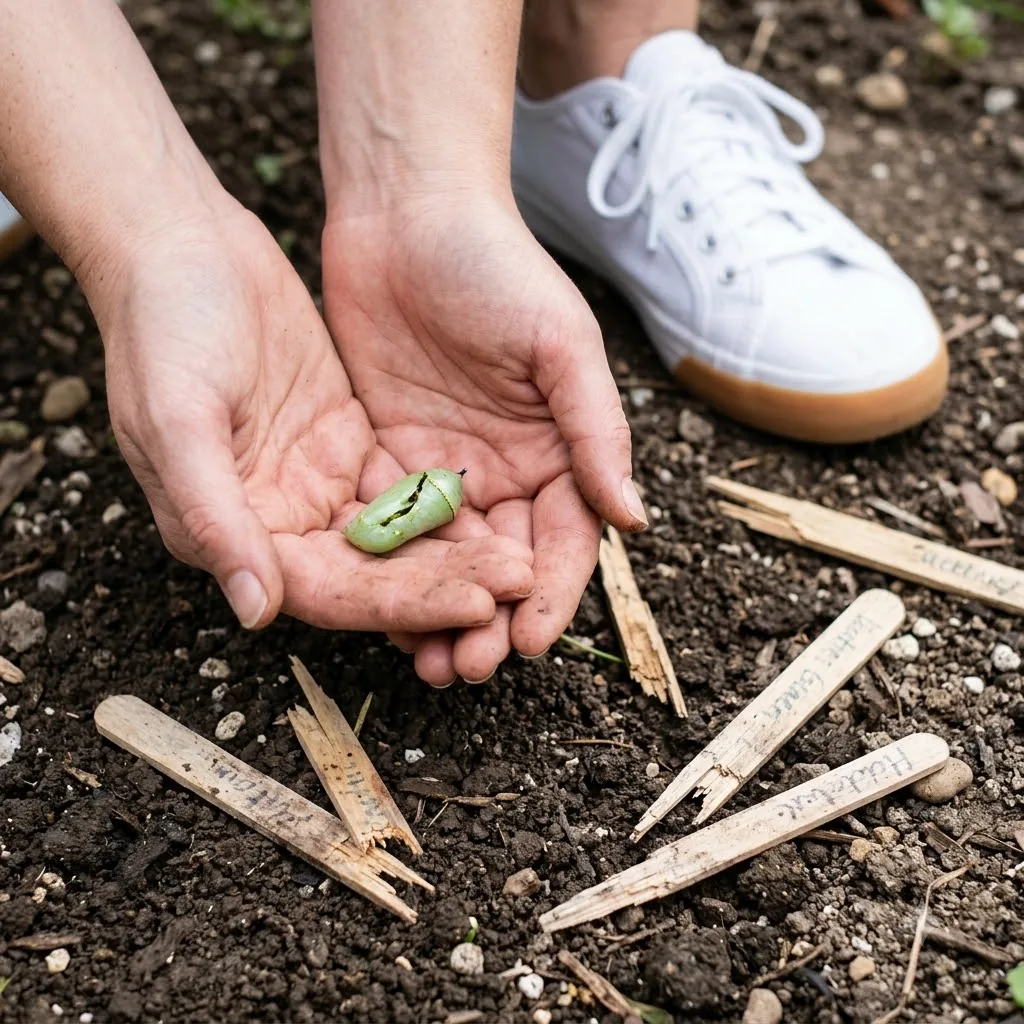
Elias squeezed the broken plastic botanical markers in his right hand. The sharp edges dug into his palm. He needed the pain. It was a focused, localized sensation that helped prevent the overwhelming flood of auditory and olfactory input from entirely short-circuiting his brain. *Kubota SVL75-2*, his mind supplied, analyzing the decals on the side of the machine. *Seventy-four point three gross horsepower. Vertical lift path.* Cataloging the machine’s specifications took a fraction of the terror away, reducing the monster to mere mechanics.
“The Board voted on Tuesday,” Brenda continued, her sensible heels clicking closer until the toes of her polished beige shoes entered Elias’s field of vision. “You ignored the certified letters. You ignored the warnings left on your door. We are exercising our right to remedy the covenant violation.”
“State Statute,” Elias forced the words out. His throat felt dry, lined with the dust the machine had kicked up. His voice emerged flat, entirely devoid of the inflection Brenda expected. “State Statute three-seven-two, section four. Native plantings are protected.”
“Not when they create a public nuisance and harbor pests,” Brenda snapped. A piece of paper was thrust abruptly into his face.
Elias recoiled, his back stiffening as the white paper invaded his personal space. He didn’t take it. He couldn’t open his hand to take it; doing so would mean letting go of the broken markers, and he needed their sharp edges to stay present.
With an exasperated huff, Brenda let the paper flutter to the churned earth. It landed face up. The bold red ink at the top read *Notice of Lien and Invoice for Remediation Services*. The bright white of the standard twenty-pound bond paper looked obscenely stark against the rich, dark loam he had spent three years amending with carefully measured ratios of compost and perlite.
“That is the bill for the clearing and the new sod,” Brenda said, tapping her clipboard with a metal pen. “By the time they are done today, this yard will be graded and seeded with Kentucky Bluegrass, just like every other house on this street. You have thirty days to pay, or the association places a lien on the house.”
Kentucky Bluegrass. *Poa pratensis*. It was an ecological dead zone. It required constant chemical inputs, offered zero nectar for pollinators, and its shallow root system did nothing for soil retention. The thought of it suffocating his deep-rooted native sanctuary made Elias’s chest constrict. He began to hum again-a higher frequency this time, trying to match the mechanical pitch of the skid-steer’s hydraulic whine.
“Stop that noise,” Brenda commanded. “I don’t have time for your tantrums today. We are cleaning up your mess.”
She turned and waved a hand at the operator sitting inside the glass cab of the machine.
The engine roared, the RPMs spiking abruptly. A cloud of black exhaust belched from the top pipe, washing over Elias. The smell was acrid, burning the delicate mucous membranes in his nose. The machine lurched forward, its heavy steel bucket dropping to the ground with a metallic clang that made Elias flinch violently. His hands instinctively flew to cover his ears, and he dropped the broken markers. The loss of his tactile anchor sent a wave of panic crashing through him.
The loader pivoted, its left track spinning backward while the right track drove forward, tearing a massive, circular gouge out of the earth. It was turning toward the north corner of the yard.
Elias lowered his hands from his ears, his eyes snapping to the machine’s trajectory.
The north corner. The solitary bee hotel.
It was a heavy cedar post, standing four feet tall, topped with a custom-built, waterproof box. Inside the box were hundreds of hollow reed stems and carefully drilled wood blocks. Elias had spent sixty hours over the winter measuring and drilling the holes to exact millimeter specifications-five-sixteenths of an inch for mason bees, three-eighths for leafcutter bees. The hotel was fully occupied. The mud caps on the tubes were intact, sealing in the developing larvae.
The skid-steer’s bucket was lowered to the dirt, scraping the topsoil into a rolling wave of debris, heading straight for the cedar post.
“No,” Elias whispered. The word was entirely lost under the roar of the diesel engine.
He needed the blue folder. The blue folder on his desk inside the house had the highlighted text of the statute. It held the signed letter from the state environmental department confirming his yard was a registered and protected ecological habitat. The folder contained the rules, and Brenda had to follow the rules if he physically placed them in her hand.
But his front door was thirty feet away, up a flight of concrete steps. If he ran inside to retrieve the folder, the heavy machinery would reach the bee hotel before he could return. The larvae would be crushed. Hundreds of developing lives, mathematically precise and perfectly ordered, would be turned to mulch under the heavy treads.
Elias forced his legs to straighten. His joints cracked, stiff from kneeling in the damp earth. The physical world was spinning at the edges of his vision. The noise of the machine was a tangible pressure against his skull, and the smell of the exhaust was suffocating. He curled his hands into fists and pressed his knuckles hard into his sternum, grounding himself with the localized, deep pressure.
He stepped over the discarded invoice, deliberately crushing the crisp white paper into the mud with his heavy work boot.
“Elias, get out of the way!” Brenda yelled, her voice finally pitching into a shrill register of genuine alarm.
He didn’t look at her. He didn’t look at the operator behind the safety glass of the cab. He focused only on the geometric shape of the wooden post holding the bee hotel. Elias walked directly into the path of the oncoming machine, planting his boots firmly in the freshly scraped earth, placing his body squarely between the massive steel bucket and the fragile cedar box.