Story code: ST-001530
Part 1: The Metric
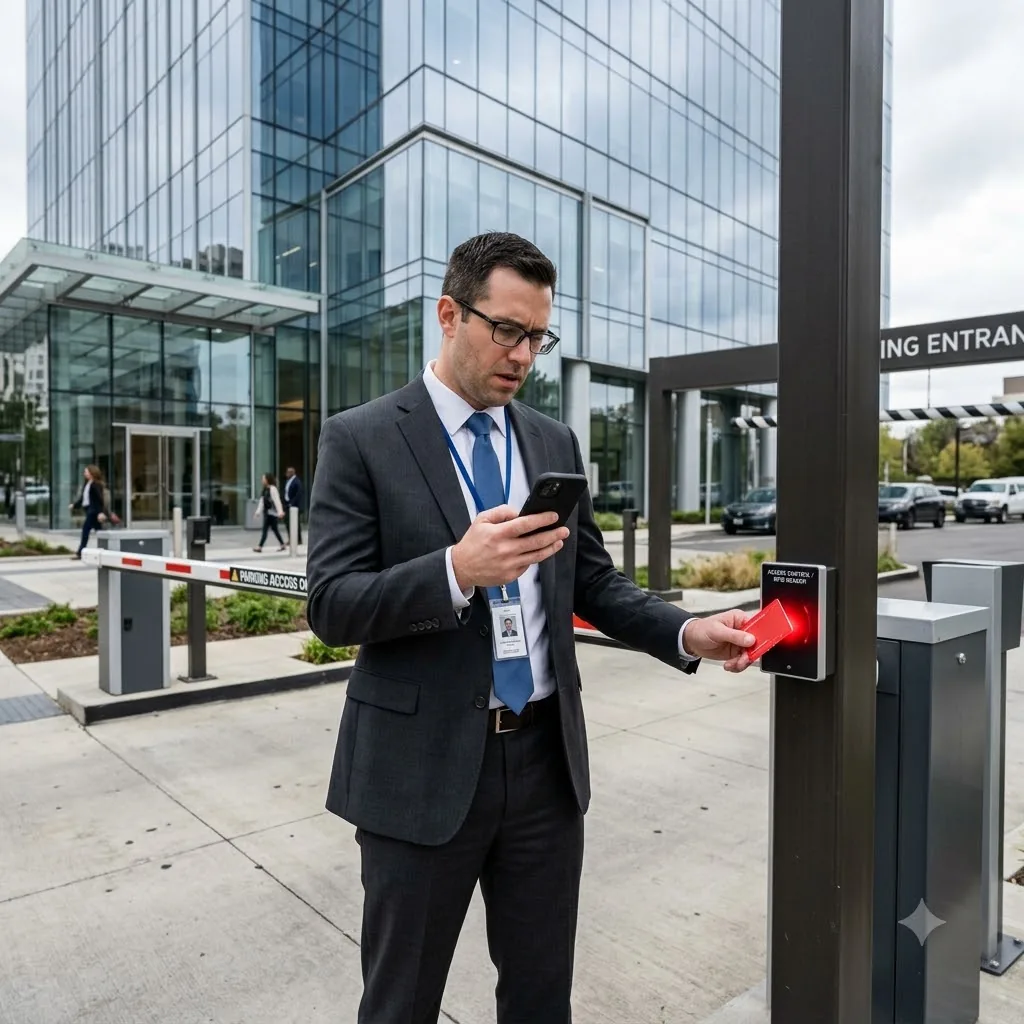
The card reader on the executive garage gate flashed a solid, dead crimson. David tapped his lanyard against the plastic housing a second time, then a third, listening to the hollow click of the unyielding security arm. His twelve-year streak of arriving at six-forty-five in the morning ended with a digital refusal. The line of luxury sedans behind him began to honk, a chorus of impatient executives eager to reach their desks.
David threw his car into reverse, ignoring the glares of his colleagues as he backed out of the restricted lane. He found an illegal spot at a red curb down the block and killed the engine. Today was his final interview for the Regional Director position, a role he had spent three years grooming himself to take. He smoothed the lapels of his charcoal suit and reached for his phone to text the night-shift security guard to clear the glitch.
A single push notification waited on the lock screen. It was not from the security desk. It came from Human Resources, sent from a no-reply automated address at exactly six-forty-three.
David opened the email, the harsh white light of the screen illuminating the tight set of his jaw. The phrasing was entirely sterile, devoid of the manufactured corporate cheer the company usually plastered over its internal communications. His employment was terminated, effective immediately, based on a routine algorithmic alignment audit. Below the standard legal boilerplate regarding non-disclosure and severance forfeiture, a single bolded line cited the explicit cause. His rolling thirty-day Pulse AI metric score had fallen below the mandatory threshold for senior personnel.
There was no human signature on the message. The Pulse system had been installed eight months ago to monitor workflow efficiency. Management claimed it merely scanned emails, calendar invites, and project completion rates to optimize team dynamics and reduce friction. It was pitched as a background tool, a silent observer of metadata that would eliminate human bias in performance reviews. Now it was firing him on the sidewalk without a single conversation.
David stood by his car, staring at the polished glass facade of the building he had practically lived inside for over a decade. The morning sun reflected off the windows, making the structure look like an impenetrable fortress. A familiar figure approached the pedestrian entrance. It was Miller, a junior associate with less than two years of experience and a track record of fumbling the firm’s most basic client accounts.
Miller carried a thick stack of spiral-bound presentation decks under his arm. David recognized the custom navy blue covers and the heavy-stock paper immediately. They were the exact materials David had sent to the corporate print shop yesterday afternoon for his nine o’clock promotion interview. The financial projections, the structural reorganization models, the entire five-year roadmap all of it was David’s intellectual property.
Miller swiped his badge against the pedestrian reader. The light blinked a cheerful, permissive green. The young man pushed through the turnstile, carrying David’s work, David’s strategy, and David’s future straight into the executive suite.
David did not shout. He did not pound his fists against the reinforced glass. He locked his phone and slid it back into his pocket, letting the cold reality of the moment settle over him. The automated system had decided he was statistically misaligned, and the human executives were clearly content to let the algorithm execute the messy termination while they kept the fruits of his labor. The efficiency of the theft was breathtaking.
He turned his back on the glass doors. He walked right past his illegally parked car, leaving the inevitable parking ticket for another day. He marched past the corner coffee shop where the barista had his intricate order memorized, past the subway station pouring commuters onto the pavement, and navigated deep into the grid of the financial district. He knew exactly where the towering, modern high-rises gave way to the older, stone-clad structures housing the city’s most aggressive litigation firms.
He pushed open the heavy brass doors of a building three blocks down. The directory in the marble lobby listed a boutique law firm known exclusively for tearing corporate arbitration clauses and wrongful termination shields to shreds. He stepped into the wood-paneled elevator and hit the button for the twelfth floor. The brass doors slid shut just as his phone began to vibrate violently with a call from an unidentified restricted number.
The card reader on the executive garage gate flashed a solid, dead crimson. David tapped his lanyard against the plastic housing a second time, then a third, listening to the hollow click of the unyielding security arm. His twelve-year streak of arriving at six-forty-five in the morning ended with a digital refusal. The line of luxury sedans behind him began to honk, a chorus of impatient executives eager to reach their desks.
David threw his car into reverse, ignoring the glares of his colleagues as he backed out of the restricted lane. He found an illegal spot at a red curb down the block and killed the engine. Today was his final interview for the Regional Director position, a role he had spent three years grooming himself to take. He smoothed the lapels of his charcoal suit and reached for his phone to text the night-shift security guard to clear the glitch.
A single push notification waited on the lock screen. It was not from the security desk. It came from Human Resources, sent from a no-reply automated address at exactly six-forty-three.
David opened the email, the harsh white light of the screen illuminating the tight set of his jaw. The phrasing was entirely sterile, devoid of the manufactured corporate cheer the company usually plastered over its internal communications. His employment was terminated, effective immediately, based on a routine algorithmic alignment audit. Below the standard legal boilerplate regarding non-disclosure and severance forfeiture, a single bolded line cited the explicit cause. His rolling thirty-day Pulse AI metric score had fallen below the mandatory threshold for senior personnel.
There was no human signature on the message. The Pulse system had been installed eight months ago to monitor workflow efficiency. Management claimed it merely scanned emails, calendar invites, and project completion rates to optimize team dynamics and reduce friction. It was pitched as a background tool, a silent observer of metadata that would eliminate human bias in performance reviews. Now it was firing him on the sidewalk without a single conversation.
David stood by his car, staring at the polished glass facade of the building he had practically lived inside for over a decade. The morning sun reflected off the windows, making the structure look like an impenetrable fortress. A familiar figure approached the pedestrian entrance. It was Miller, a junior associate with less than two years of experience and a track record of fumbling the firm’s most basic client accounts.
Miller carried a thick stack of spiral-bound presentation decks under his arm. David recognized the custom navy blue covers and the heavy-stock paper immediately. They were the exact materials David had sent to the corporate print shop yesterday afternoon for his nine o’clock promotion interview. The financial projections, the structural reorganization models, the entire five-year roadmap all of it was David’s intellectual property.
Miller swiped his badge against the pedestrian reader. The light blinked a cheerful, permissive green. The young man pushed through the turnstile, carrying David’s work, David’s strategy, and David’s future straight into the executive suite.
David did not shout. He did not pound his fists against the reinforced glass. He locked his phone and slid it back into his pocket, letting the cold reality of the moment settle over him. The automated system had decided he was statistically misaligned, and the human executives were clearly content to let the algorithm execute the messy termination while they kept the fruits of his labor. The efficiency of the theft was breathtaking.
He turned his back on the glass doors. He walked right past his illegally parked car, leaving the inevitable parking ticket for another day. He marched past the corner coffee shop where the barista had his intricate order memorized, past the subway station pouring commuters onto the pavement, and navigated deep into the grid of the financial district. He knew exactly where the towering, modern high-rises gave way to the older, stone-clad structures housing the city’s most aggressive litigation firms.
He pushed open the heavy brass doors of a building three blocks down. The directory in the marble lobby listed a boutique law firm known exclusively for tearing corporate arbitration clauses and wrongful termination shields to shreds. He stepped into the wood-paneled elevator and hit the button for the twelfth floor. The brass doors slid shut just as his phone began to vibrate violently with a call from an unidentified restricted number.