Story code: ST-001539
Part 1: The Eviction
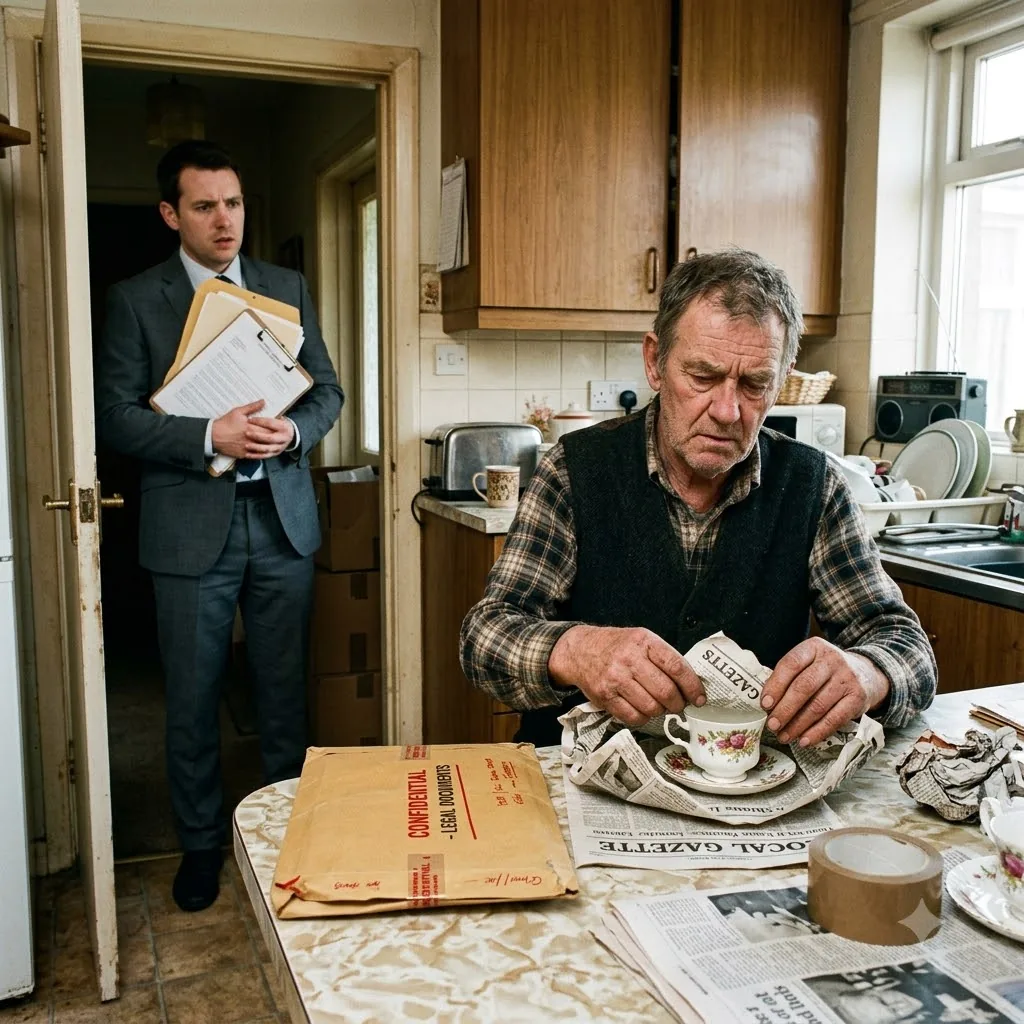
Councilman Marcus gripped the final eminent domain eviction notice in his sweating hand, bracing for the familiar racking sound of a twelve-gauge shotgun or a wall-shaking scream as he pushed open Arthur’s unlocked front door. Instead of a barricade of overturned furniture, he found a fortress of neatly taped cardboard boxes stacked against the floral wallpaper. The scent of stale coffee and packing dust hung in the quiet air.
Marcus stepped over the threshold, his dress shoes loud against the bare hardwood. He kept the eviction notice raised like a shield. He had spent the entire drive rehearsing his de-escalation speech, ready to calmly explain to the furious steelworker that the city’s redevelopment project was moving forward with or without his consent. For six months, Arthur had been the neighborhood’s loudest holdout. The man had chained himself to the porch railing in February, dumped a wheelbarrow of slag iron on the steps of City Hall in March, and disrupted three consecutive zoning board meetings with a bullhorn. Marcus expected blood, spit, and fury.
He found Arthur standing at the dining room table, humming a tuneless melody.
The burly man, whose shoulders were permanently hunched from forty years of pulling shifts at the local mill, was carefully wrapping a delicate teacup in yesterday’s sports section. His massive, calloused fingers manipulated the fragile china with surprising tenderness.
Marcus cleared his throat, stopping at the edge of a faded rectangular stain on the floor where a rug used to sit. He held out the official city envelope.
Arthur did not look up. He placed the wrapped teacup into a box already half-full of identical newspaper spheres, reaching for a matching saucer.
The complete lack of hostility made the hairs on the back of Marcus’s neck stand up. He took another step into the room. The house was already stripped bare. The curtains were down, letting harsh afternoon light spill across the floorboards in stark geometric shapes. Ghostly outlines of picture frames dotted the hallway walls.
Marcus lowered the envelope slightly. He stated his name and his official capacity, reading the first line of his rehearsed speech about the final deadline for vacating the premises.
Arthur picked up a roll of packing tape. The shrill, tearing sound of the adhesive unspooling cut through Marcus’s words. Arthur smoothed the tape over the cardboard flaps, pressing it down with the heel of his hand. He grabbed a thick black marker and wrote the word ‘Fragile’ across the top in neat, block letters.
The silence stretched. Marcus shifted his weight, the legal paper trembling ever so slightly in his grip. This was the moment Arthur was supposed to start shouting about his rights, about the blood and sweat he had poured into this property, about the corrupt politicians stealing his home.
Instead, Arthur moved to a wooden hutch and retrieved a heavy porcelain gravy boat. He began wrapping it.
Marcus tried again. He stepped closer to the table, forcing the eviction notice into Arthur’s peripheral vision. He explained that the demolition crews were scheduled for the morning. He stated that the sheriff’s deputies were on standby down the street, ready to enforce the mandate if necessary. He kept his voice steady, trying to project authority into the unnerving vacuum of the room.
Arthur finished with the gravy boat. He nestled it into a new box.
He finally turned to look at Marcus. There was no anger in the steelworker’s tired gray eyes. There was only a calm, hollow exhaustion that made Marcus feel entirely out of his depth.
Arthur wiped his dusty hands on the thighs of his denim jeans. He walked past Marcus, moving toward a heavy canvas work jacket draped over the back of a solitary kitchen chair.
Marcus tensed, his heart hammering against his ribs. He instinctively stepped back, his mind flashing to a hidden firearm or a heavy wrench. The police were a block away, entirely out of earshot.
Arthur reached into the deep inner pocket of the jacket. He did not pull out a weapon.
He withdrew a thick, folded stack of standard white printer paper.
There was no antique parchment, no dramatic ribbon, no wax seal of a hidden deed. It was a dense, heavy packet of modern corporate bureaucracy. The top page was filled with crisp, microscopic legal boilerplate, columns of financial figures, and a stark black-and-white institutional logo at the header. It looked like the kind of sterile, impenetrable paperwork generated by a hospital billing department or a massive private equity firm.
Arthur walked back to the dining table. He did not say a single word. He simply extended his thick, scarred hand, offering the document to the councilman.
Marcus looked at the paperwork, then back at Arthur’s eerily serene face. The urge to turn and walk out the front door screamed in his mind. He slowly reached out and took the packet. The paper felt heavy, warm from the pocket of the jacket.
He flipped open the first page. His eyes scanned past the dense block of legalese at the top, dropping to a single, bolded summary line in the center of the page that made his breath catch in his throat.
Councilman Marcus gripped the final eminent domain eviction notice in his sweating hand, bracing for the familiar racking sound of a twelve-gauge shotgun or a wall-shaking scream as he pushed open Arthur’s unlocked front door. Instead of a barricade of overturned furniture, he found a fortress of neatly taped cardboard boxes stacked against the floral wallpaper. The scent of stale coffee and packing dust hung in the quiet air.
Marcus stepped over the threshold, his dress shoes loud against the bare hardwood. He kept the eviction notice raised like a shield. He had spent the entire drive rehearsing his de-escalation speech, ready to calmly explain to the furious steelworker that the city’s redevelopment project was moving forward with or without his consent. For six months, Arthur had been the neighborhood’s loudest holdout. The man had chained himself to the porch railing in February, dumped a wheelbarrow of slag iron on the steps of City Hall in March, and disrupted three consecutive zoning board meetings with a bullhorn. Marcus expected blood, spit, and fury.
He found Arthur standing at the dining room table, humming a tuneless melody.
The burly man, whose shoulders were permanently hunched from forty years of pulling shifts at the local mill, was carefully wrapping a delicate teacup in yesterday’s sports section. His massive, calloused fingers manipulated the fragile china with surprising tenderness.
Marcus cleared his throat, stopping at the edge of a faded rectangular stain on the floor where a rug used to sit. He held out the official city envelope.
Arthur did not look up. He placed the wrapped teacup into a box already half-full of identical newspaper spheres, reaching for a matching saucer.
The complete lack of hostility made the hairs on the back of Marcus’s neck stand up. He took another step into the room. The house was already stripped bare. The curtains were down, letting harsh afternoon light spill across the floorboards in stark geometric shapes. Ghostly outlines of picture frames dotted the hallway walls.
Marcus lowered the envelope slightly. He stated his name and his official capacity, reading the first line of his rehearsed speech about the final deadline for vacating the premises.
Arthur picked up a roll of packing tape. The shrill, tearing sound of the adhesive unspooling cut through Marcus’s words. Arthur smoothed the tape over the cardboard flaps, pressing it down with the heel of his hand. He grabbed a thick black marker and wrote the word ‘Fragile’ across the top in neat, block letters.
The silence stretched. Marcus shifted his weight, the legal paper trembling ever so slightly in his grip. This was the moment Arthur was supposed to start shouting about his rights, about the blood and sweat he had poured into this property, about the corrupt politicians stealing his home.
Instead, Arthur moved to a wooden hutch and retrieved a heavy porcelain gravy boat. He began wrapping it.
Marcus tried again. He stepped closer to the table, forcing the eviction notice into Arthur’s peripheral vision. He explained that the demolition crews were scheduled for the morning. He stated that the sheriff’s deputies were on standby down the street, ready to enforce the mandate if necessary. He kept his voice steady, trying to project authority into the unnerving vacuum of the room.
Arthur finished with the gravy boat. He nestled it into a new box.
He finally turned to look at Marcus. There was no anger in the steelworker’s tired gray eyes. There was only a calm, hollow exhaustion that made Marcus feel entirely out of his depth.
Arthur wiped his dusty hands on the thighs of his denim jeans. He walked past Marcus, moving toward a heavy canvas work jacket draped over the back of a solitary kitchen chair.
Marcus tensed, his heart hammering against his ribs. He instinctively stepped back, his mind flashing to a hidden firearm or a heavy wrench. The police were a block away, entirely out of earshot.
Arthur reached into the deep inner pocket of the jacket. He did not pull out a weapon.
He withdrew a thick, folded stack of standard white printer paper.
There was no antique parchment, no dramatic ribbon, no wax seal of a hidden deed. It was a dense, heavy packet of modern corporate bureaucracy. The top page was filled with crisp, microscopic legal boilerplate, columns of financial figures, and a stark black-and-white institutional logo at the header. It looked like the kind of sterile, impenetrable paperwork generated by a hospital billing department or a massive private equity firm.
Arthur walked back to the dining table. He did not say a single word. He simply extended his thick, scarred hand, offering the document to the councilman.
Marcus looked at the paperwork, then back at Arthur’s eerily serene face. The urge to turn and walk out the front door screamed in his mind. He slowly reached out and took the packet. The paper felt heavy, warm from the pocket of the jacket.
He flipped open the first page. His eyes scanned past the dense block of legalese at the top, dropping to a single, bolded summary line in the center of the page that made his breath catch in his throat.