Story code: ST-001575
Part 1: Outside the Door
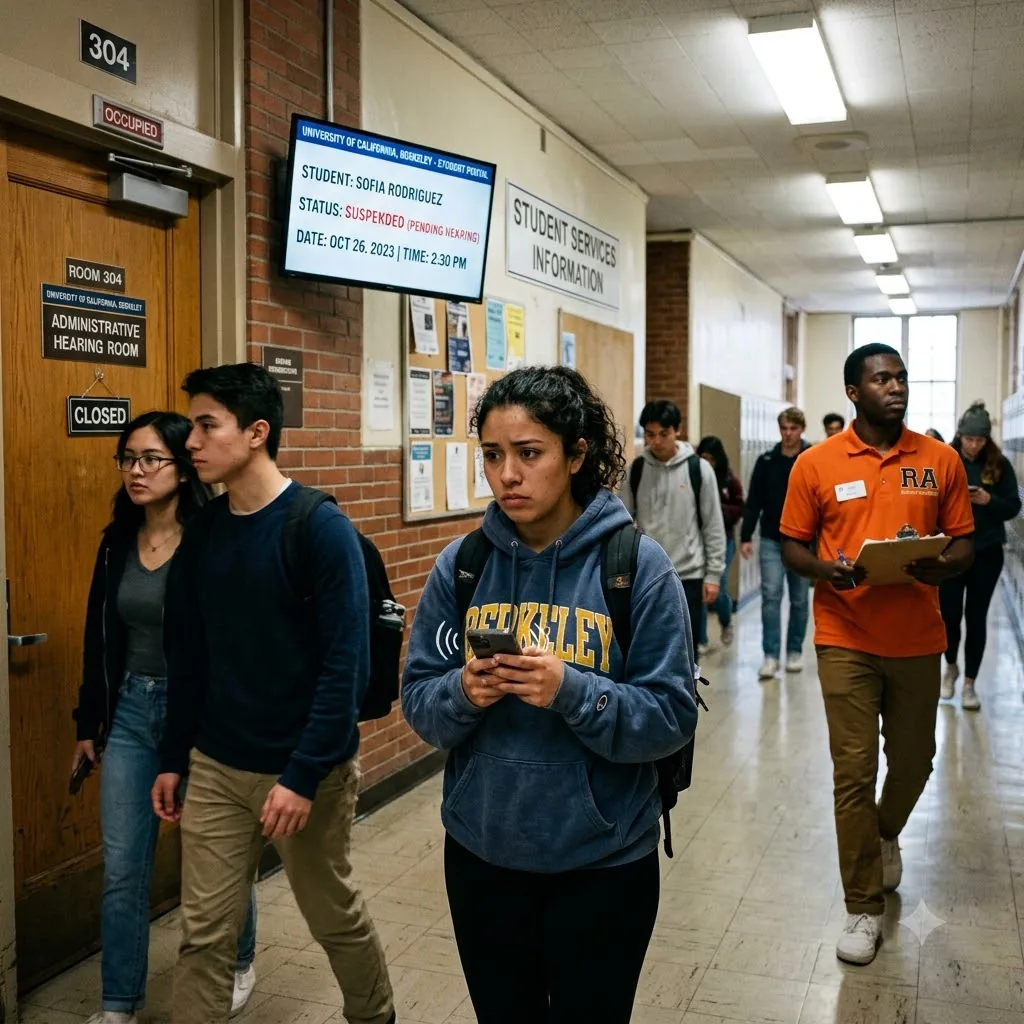
By the time Marisol reached the third-floor hearing room, the door was already locked, her phone was vibrating so hard in her palm it felt alive, and the scholarship page on her screen had gone from green check marks to a red banner that only said STATUS UNDER REVIEW. An RA stood a few feet away with a clipboard pressed against her chest, staring at the cinder-block wall as if it had become the most interesting thing in the building.
Marisol knocked once, then harder.
No answer.
The narrow hallway outside Student Conduct had that bright, humming kind of light that made everybody look washed out. Two girls from the second-floor honors wing went silent when they saw her. A boy in a campus ambassador polo came around the corner, slowed down, then turned back the way he had come, phone already up near his face. At the far end of the hall, someone pushed open the stairwell door, saw the little cluster forming outside the hearing room, and immediately looked down.
Marisol hit refresh again. The portal blinked, loaded, and showed even less than before. Her class schedule was still there. Her meal plan was still there. But the scholarship dashboard, the page she checked every month because she had to, had lost its usual list of disbursement dates and requirements. In their place sat a flat red box and a gray padlock icon.
She walked straight to the RA.
“I got an email telling me to report here at ten-thirty,” Marisol said. “I am here. Why is the door locked.”
The RA swallowed. She was young enough that the hall pass lanyard around her neck still made her look like a student playing at authority. “I can’t speak on pending matters.”
“Pending what matter.”
The RA shifted the clipboard from one arm to the other. “You should have received formal communication.”
“That sentence means nothing.”
A muffled voice moved behind the door, then a chair scraped. Marisol stepped closer and knocked again, this time with the side of her fist. “Hello. I’m right here. Somebody emailed me to come here.”
The handle did not move.
She looked at the small wired-glass window set into the door. The blind on the inside had been pulled almost all the way down, but not fully. Through the gap at the bottom she could see shoes. Men’s dress shoes, women’s flats, the edge of a rolling chair. People were inside. People were listening.
Her phone buzzed again. Not a call. Three texts in a row.
You need to call me.
Don’t say anything in writing.
Are you alone.
They were from Kiara, who lived across the hall from her and treated every campus rumor like weather she could smell coming. Marisol typed back, Outside conduct office. No one will tell me anything, then deleted it before sending. The second text sat there a second longer, then disappeared too.
An administrator in a navy cardigan came around the corner carrying a stack of folders. She saw Marisol at the door and stopped so sharply the folders slipped in her hands.
“Ms. Reyes,” she said.
Finally, a name directed at her. Marisol turned. “Yes. Thank you. Can you tell me what’s happening.”
The woman pulled the folders back into a neat stack. “I’m not the appropriate office.”
“Then get the appropriate office.”
The woman’s mouth tightened in a way that looked practiced. “You need to monitor your university email and remain available by phone.”
“I am standing outside the room you told me to come to.”
That got a flicker from the woman, a tiny break in the smooth expression. She looked at the RA, at the locked door, then back at Marisol. “Please lower your voice.”
Marisol had not realized how loud she had become until she saw two more students lingering by the stairwell, pretending to compare something on a laptop while both of them watched her reflection in the dark vending machine glass.
She lowered her voice anyway. It came out tighter, not calmer. “My scholarship just changed. My portal is locked. My resident advisor is acting like she’s guarding a crime scene. I have class in forty minutes and nobody will tell me what this is.”
The woman with the folders looked over Marisol’s shoulder, not at her face. “There are procedures in place.”
“For what.”
No answer.
The woman moved past her and tapped lightly on the locked door. It opened just enough for a shoulder and half a face to appear from inside. A man with silver-framed glasses listened while the administrator murmured something too low to catch. His eyes lifted once and landed on Marisol, then moved away almost instantly, as if eye contact itself would violate policy.
The door shut again.
By then the hallway had arranged itself into that fake casual shape crowds take when they want to witness something without being seen witnessing it. A maintenance cart stood parked near the water fountain for no clear reason. Someone from financial aid, judging by the logo on her fleece, came out of the elevator, saw Marisol, and nearly dropped the cup in her hand.
Marisol caught that look.
Not confusion. Recognition.
She stepped toward the staffer. “You know.”
The woman froze. Coffee sloshed against the lid. “I really can’t.”
“Can’t what. Say a sentence to me like I’m a person.”
The staffer lowered her eyes. On the fleece, under the college logo, stitched in small white thread, was her first name, Dana. Dana clutched the cup with both hands and said, almost inaudibly, “It’s bigger than housing.”
Then she kept walking.
That landed harder than all the formal language had. Bigger than housing meant money. Records. Enrollment. The things that held up the whole careful structure of her being here at all. Marisol looked back at the red warning on her screen and, for the first time, noticed a new line under the status bar in tiny gray text.
ACCESS LIMITED PENDING VERIFICATION.
Verification of what, it did not say.
Her thumb moved on its own, calling the only number she had for anything connected to scholarships, the general aid office line she had spent hours on during the summer when one missing tax document had nearly delayed her award. She expected the maze of recorded options. Instead, after one ring, a man picked up breathlessly, as if he had been reaching for the phone before it rang.
“Financial Support Services, this is Mr. Talbot.”
Marisol put him on speaker without asking. “My name is Marisol Reyes. My scholarship status just turned red, I’m locked out of a conduct hearing I was told to attend, and everybody here keeps saying procedure like that explains anything. I need someone to tell me what happened.”
The hallway went still.
Even the RA looked up.
On speaker, paper rustled fast. A keyboard clicked. Mr. Talbot exhaled once, the sound of a man realizing he had opened the wrong file in front of the wrong person. When he spoke again, his voice had dropped.
“Ms. Reyes, I was not aware they had not informed you directly. There was a report attached to your eligibility review, and because the name on the external verification did not match the-”
A hand shot through the opening door and snatched the phone from Marisol’s palm.
By the time Marisol reached the third-floor hearing room, the door was already locked, her phone was vibrating so hard in her palm it felt alive, and the scholarship page on her screen had gone from green check marks to a red banner that only said STATUS UNDER REVIEW. An RA stood a few feet away with a clipboard pressed against her chest, staring at the cinder-block wall as if it had become the most interesting thing in the building.
Marisol knocked once, then harder.
No answer.
The narrow hallway outside Student Conduct had that bright, humming kind of light that made everybody look washed out. Two girls from the second-floor honors wing went silent when they saw her. A boy in a campus ambassador polo came around the corner, slowed down, then turned back the way he had come, phone already up near his face. At the far end of the hall, someone pushed open the stairwell door, saw the little cluster forming outside the hearing room, and immediately looked down.
Marisol hit refresh again. The portal blinked, loaded, and showed even less than before. Her class schedule was still there. Her meal plan was still there. But the scholarship dashboard, the page she checked every month because she had to, had lost its usual list of disbursement dates and requirements. In their place sat a flat red box and a gray padlock icon.
She walked straight to the RA.
“I got an email telling me to report here at ten-thirty,” Marisol said. “I am here. Why is the door locked.”
The RA swallowed. She was young enough that the hall pass lanyard around her neck still made her look like a student playing at authority. “I can’t speak on pending matters.”
“Pending what matter.”
The RA shifted the clipboard from one arm to the other. “You should have received formal communication.”
“That sentence means nothing.”
A muffled voice moved behind the door, then a chair scraped. Marisol stepped closer and knocked again, this time with the side of her fist. “Hello. I’m right here. Somebody emailed me to come here.”
The handle did not move.
She looked at the small wired-glass window set into the door. The blind on the inside had been pulled almost all the way down, but not fully. Through the gap at the bottom she could see shoes. Men’s dress shoes, women’s flats, the edge of a rolling chair. People were inside. People were listening.
Her phone buzzed again. Not a call. Three texts in a row.
You need to call me.
Don’t say anything in writing.
Are you alone.
They were from Kiara, who lived across the hall from her and treated every campus rumor like weather she could smell coming. Marisol typed back, Outside conduct office. No one will tell me anything, then deleted it before sending. The second text sat there a second longer, then disappeared too.
An administrator in a navy cardigan came around the corner carrying a stack of folders. She saw Marisol at the door and stopped so sharply the folders slipped in her hands.
“Ms. Reyes,” she said.
Finally, a name directed at her. Marisol turned. “Yes. Thank you. Can you tell me what’s happening.”
The woman pulled the folders back into a neat stack. “I’m not the appropriate office.”
“Then get the appropriate office.”
The woman’s mouth tightened in a way that looked practiced. “You need to monitor your university email and remain available by phone.”
“I am standing outside the room you told me to come to.”
That got a flicker from the woman, a tiny break in the smooth expression. She looked at the RA, at the locked door, then back at Marisol. “Please lower your voice.”
Marisol had not realized how loud she had become until she saw two more students lingering by the stairwell, pretending to compare something on a laptop while both of them watched her reflection in the dark vending machine glass.
She lowered her voice anyway. It came out tighter, not calmer. “My scholarship just changed. My portal is locked. My resident advisor is acting like she’s guarding a crime scene. I have class in forty minutes and nobody will tell me what this is.”
The woman with the folders looked over Marisol’s shoulder, not at her face. “There are procedures in place.”
“For what.”
No answer.
The woman moved past her and tapped lightly on the locked door. It opened just enough for a shoulder and half a face to appear from inside. A man with silver-framed glasses listened while the administrator murmured something too low to catch. His eyes lifted once and landed on Marisol, then moved away almost instantly, as if eye contact itself would violate policy.
The door shut again.
By then the hallway had arranged itself into that fake casual shape crowds take when they want to witness something without being seen witnessing it. A maintenance cart stood parked near the water fountain for no clear reason. Someone from financial aid, judging by the logo on her fleece, came out of the elevator, saw Marisol, and nearly dropped the cup in her hand.
Marisol caught that look.
Not confusion. Recognition.
She stepped toward the staffer. “You know.”
The woman froze. Coffee sloshed against the lid. “I really can’t.”
“Can’t what. Say a sentence to me like I’m a person.”
The staffer lowered her eyes. On the fleece, under the college logo, stitched in small white thread, was her first name, Dana. Dana clutched the cup with both hands and said, almost inaudibly, “It’s bigger than housing.”
Then she kept walking.
That landed harder than all the formal language had. Bigger than housing meant money. Records. Enrollment. The things that held up the whole careful structure of her being here at all. Marisol looked back at the red warning on her screen and, for the first time, noticed a new line under the status bar in tiny gray text.
ACCESS LIMITED PENDING VERIFICATION.
Verification of what, it did not say.
Her thumb moved on its own, calling the only number she had for anything connected to scholarships, the general aid office line she had spent hours on during the summer when one missing tax document had nearly delayed her award. She expected the maze of recorded options. Instead, after one ring, a man picked up breathlessly, as if he had been reaching for the phone before it rang.
“Financial Support Services, this is Mr. Talbot.”
Marisol put him on speaker without asking. “My name is Marisol Reyes. My scholarship status just turned red, I’m locked out of a conduct hearing I was told to attend, and everybody here keeps saying procedure like that explains anything. I need someone to tell me what happened.”
The hallway went still.
Even the RA looked up.
On speaker, paper rustled fast. A keyboard clicked. Mr. Talbot exhaled once, the sound of a man realizing he had opened the wrong file in front of the wrong person. When he spoke again, his voice had dropped.
“Ms. Reyes, I was not aware they had not informed you directly. There was a report attached to your eligibility review, and because the name on the external verification did not match the-”
A hand shot through the opening door and snatched the phone from Marisol’s palm.