Story code: ST-001699
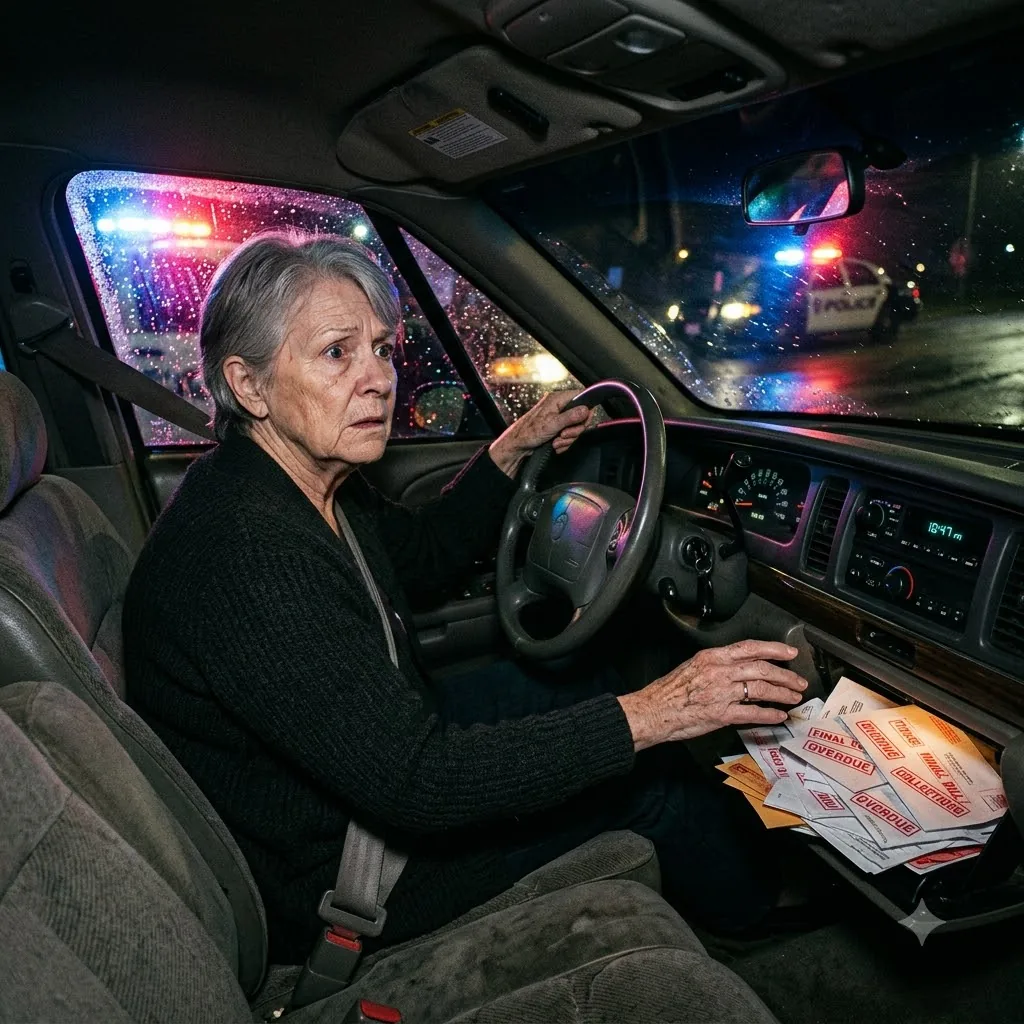
Part 4: The Inescapable Math
Clara gently placed her phone face down on the scarred oak surface of her kitchen table. The screen went dark, severing the connection with the public defender. His name was Thomas, and he had sounded breathless, practically vibrating with the triumph of a young lawyer who had just stared down the federal government and won.
*They dropped it, Clara. All of it,* he had said, his voice echoing slightly over the speakerphone. *Vance filed a declination to prosecute. You’re clear. You don’t even have to come back into the city.*
She knew exactly why Vance had backed away. A seasoned, politically ambitious prosecutor did not build his career by dragging a sixty-year-old, bankrupt widow in front of a federal jury. The optics were a nightmare. To prosecute Clara meant admitting in open court that his sophisticated cartel courier was actually just a desperate woman trying to save her home from a predatory medical system. Vance needed a radicalized, anti-government mastermind to justify his task force’s budget. He did not need Arthur’s ghost, or a mountain of pink-banded oncology bills serving as Exhibit A.
Clara looked at those same bills now. They sat in the center of the kitchen table, their crisp, institutional edges softened and bent from where she had slammed them against the courthouse mahogany. The cold, focused fury that had fueled her in that fluorescent-lit conference room was entirely gone, replaced by a hollow, ringing silence.
She picked up her phone again and pressed her thumb against the biometric scanner. The home screen bloomed to life, the bright photograph of Arthur’s blue hydrangeas contrasting sharply with the fading gray light of the kitchen. She swiped to the third page and tapped the innocuous folder labeled ‘Utility Bills’.
The encrypted messaging app opened to a blank, error-filled screen. The anonymous contact who had offered her ten thousand dollars cash for the Spokane run was gone. The chat history was scrubbed. The user account had been permanently deleted from the remote server, likely the exact moment Task Force Officer Mitchell had intercepted her vehicle on the highway. The syndicate, whoever they were, had burned the route instantly to protect the larger network.
There would be no wire transfer. There would be no envelope of cash left behind a predetermined dumpster in Missoula.
Clara locked the phone and pushed it away, the plastic case scraping loudly against the wood grain. The victory Thomas had celebrated so loudly in her ear felt like ash on her tongue. The federal government had decided she wasn’t worth the paperwork to lock up. The syndicate had decided she wasn’t worth the risk to pay. She had survived the terrifying flash of the cruiser’s lights on the freezing highway, and she had survived the suffocating pressure of David Vance’s interrogation.
But she had not survived the math.
Clara ran her bare hand along the edge of the kitchen table. Arthur had built it. He had spent three months in the garage out back, standing in a cloud of sawdust, sanding the thick oak boards down until they were smooth as glass. He had stained them a rich, warm amber. He had built the cabinets she was staring at. He had laid the ceramic tile beneath her feet, complaining with a smile about his aching knees.
She reached out and pulled the thick, yellow-tinged document from the bottom of the scattered pile.
Notice of Default. Kootenai County Savings and Loan.
Fourteen thousand dollars in arrears.
The foreclosure auction was scheduled for Tuesday morning at nine o’clock. It was currently Friday afternoon. The sky outside the kitchen window was already darkening, heavy with the threat of another November snowstorm. The winter wind rattled the glass panes, a softer, hollower echo of the freezing howl that had ripped through her open car window near the Idaho border.
She stood up, her beige wool cardigan wrapping loosely around her shoulders. The house was freezing. She had turned the thermostat down to fifty-five degrees to save on the heating bill, a habit of poverty that now felt absurdly pointless. By Wednesday, it wouldn’t be her heating bill to pay. By Wednesday, a bank representative would be standing on the porch, changing the brass locks Arthur had installed.
Clara walked over to the kitchen sink and looked out at the backyard. The hydrangeas were dead, reduced to brittle, frost-covered sticks protruding from the frozen earth.
Arthur’s medical debt had not disappeared when Vance dropped the criminal charges. The eighty-four thousand dollars for the oncology treatments that poisoned him, the twelve thousand for the scans that tracked his relentless decline-they were all still there, hovering over her like a suffocating shroud. She had played a dangerous, desperate game, risking a federal penitentiary to claw her way out of the trap the hospital had set for her.
The federal government had let her go.
But the trap remained perfectly intact. Clara turned her back on the freezing window and looked at the chaotic spread of pink and white paper covering Arthur’s table. She pulled out a wooden chair, sat back down in the quiet, darkening house, and waited for Tuesday to arrive.