Story code: ST-001699
Part 1: The Border Crossing
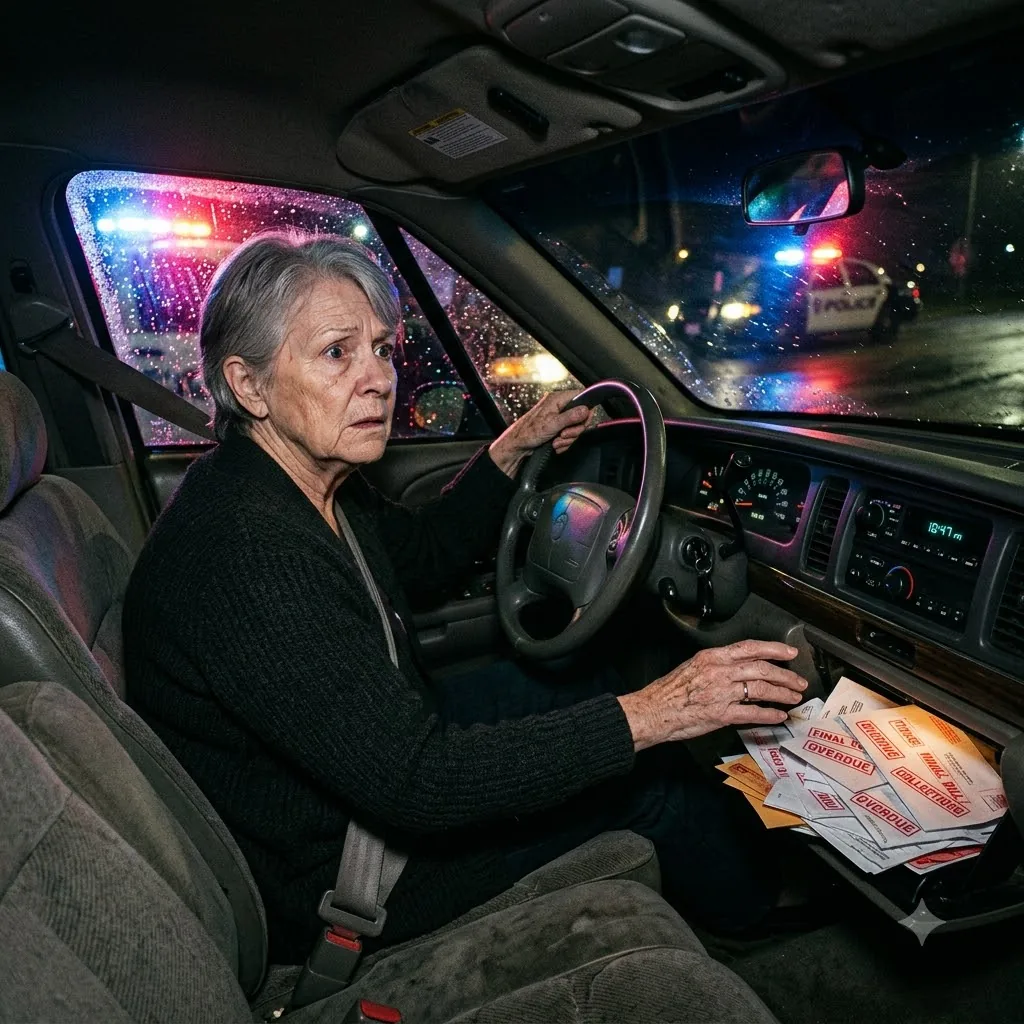
The flashing red and blue lights painted the frost-edged windshield of Clara’s Subaru just three miles past the Idaho border. Her pulse hammered against her ribs, a suffocating rhythm that perfectly matched the thumping of the cruiser’s heavy tires rolling to a stop on the gravel shoulder. She kept both hands locked at ten and two on the steering wheel, forcing her breathing to slow into the practiced, measured draws of a woman with absolutely nothing to hide. She had been driving exactly three miles under the speed limit since leaving Spokane. Her tags were current. Her taillights were intact.
The cruiser’s spotlight flared to life, flooding her cabin in a harsh, blinding white that exposed every particle of dust suspended in the cold air. The deputy’s door clicked open with a heavy, metallic groan. Clara needed her registration. She leaned over, her trembling fingers catching the latch of the passenger-side glovebox. It spilled open, violently dumping a cascade of thick, pink-banded envelopes onto the rubber floor mat. Final Notice. Oncology Services. Past Due: $84,320.15. Another slipped over her knuckles: Past Due: $12,900.00.
The math played on a relentless loop in her skull, an impossible tally of institutional mercy that had failed to keep Arthur alive. Nearly a hundred thousand dollars in glossy, unyielding paper. She shoved the stiff envelopes aside, her fingernails scraping the molded plastic of the dashboard interior. The statements were thick, rigid with detailed itemizations of the chemical poisons that had ravaged her husband’s body over fourteen agonizing months. She pushed them down, pressing the stack flat to reach the small leather binder holding her insurance card, deliberately keeping her eyes averted from the darker, heavier shape she had wedged beneath the medical debt just an hour ago.
The crunch of heavy boots on loose gravel brought her head snapping back up. She hit the button to roll down the window, letting in a blast of freezing November wind that smelled sharply of pine needles and diesel exhaust. She smoothed the collar of her beige wool cardigan, presenting the very picture of a conservative, sixty-year-old widow stranded on a desolate stretch of highway. She practiced her polite, deferential smile, the one she used for pharmacists and bank tellers.
The footsteps stopped just behind her B-pillar, an aggressive positioning that forced her to crane her neck backward to see him. He was a young deputy, his jaw tight beneath a dark, tactical collar, one hand resting far too casually on the thick black grip of his service weapon. The cruiser’s spotlight cast long, distorted shadows across his face, rendering his expression unreadable behind dark aviator sunglasses. Clara held out her small leather binder, her wrist perfectly steady, waiting for the standard script. She expected to hand over her license, nod politely at a fabricated warning about a swerve, and drive away.
The silence stretched until the ambient hum of her idling engine felt like a physical weight pressing against her chest. The deputy did not ask for her license. He did not ask for her registration or proof of insurance. He did not offer a polite evening greeting or state the speed she had allegedly been traveling. He just stood there, breathing in the cold air, his head tilted slightly as if listening to something through his earpiece.
Clara shifted in her seat, the crisp edge of an oncology bill digging into her calf where it had fallen from the glovebox. She focused her eyes on the crisp crease of the deputy’s uniform trousers, willing him to just take the leather binder from her outstretched hand. The cold air seeped through her cardigan, raising goosebumps along her arms, but sweat began to pool at the base of her neck. The sheer normalcy of her disguise felt suddenly thin, as fragile as the paper burying her secret on the passenger floorboard.
The deputy finally moved, leaning down to invade the small pocket of warm air inside her cabin. He ignored the outstretched insurance card entirely. His mirrored lenses swept past her face, dropping immediately to the center console. He did not look at the spilled hospital bills, the chaotic glovebox, or the tremor she could no longer hide in her left hand. He pointed a thick, leather-clad finger directly at the glowing rectangle resting in the cup holder. In a flat, uncompromising tone, he instructed her to turn off the engine, place her hands flat on the steering wheel, and hand over her unlocked smartphone immediately.
The flashing red and blue lights painted the frost-edged windshield of Clara’s Subaru just three miles past the Idaho border. Her pulse hammered against her ribs, a suffocating rhythm that perfectly matched the thumping of the cruiser’s heavy tires rolling to a stop on the gravel shoulder. She kept both hands locked at ten and two on the steering wheel, forcing her breathing to slow into the practiced, measured draws of a woman with absolutely nothing to hide. She had been driving exactly three miles under the speed limit since leaving Spokane. Her tags were current. Her taillights were intact.
The cruiser’s spotlight flared to life, flooding her cabin in a harsh, blinding white that exposed every particle of dust suspended in the cold air. The deputy’s door clicked open with a heavy, metallic groan. Clara needed her registration. She leaned over, her trembling fingers catching the latch of the passenger-side glovebox. It spilled open, violently dumping a cascade of thick, pink-banded envelopes onto the rubber floor mat. Final Notice. Oncology Services. Past Due: $84,320.15. Another slipped over her knuckles: Past Due: $12,900.00.
The math played on a relentless loop in her skull, an impossible tally of institutional mercy that had failed to keep Arthur alive. Nearly a hundred thousand dollars in glossy, unyielding paper. She shoved the stiff envelopes aside, her fingernails scraping the molded plastic of the dashboard interior. The statements were thick, rigid with detailed itemizations of the chemical poisons that had ravaged her husband’s body over fourteen agonizing months. She pushed them down, pressing the stack flat to reach the small leather binder holding her insurance card, deliberately keeping her eyes averted from the darker, heavier shape she had wedged beneath the medical debt just an hour ago.
The crunch of heavy boots on loose gravel brought her head snapping back up. She hit the button to roll down the window, letting in a blast of freezing November wind that smelled sharply of pine needles and diesel exhaust. She smoothed the collar of her beige wool cardigan, presenting the very picture of a conservative, sixty-year-old widow stranded on a desolate stretch of highway. She practiced her polite, deferential smile, the one she used for pharmacists and bank tellers.
The footsteps stopped just behind her B-pillar, an aggressive positioning that forced her to crane her neck backward to see him. He was a young deputy, his jaw tight beneath a dark, tactical collar, one hand resting far too casually on the thick black grip of his service weapon. The cruiser’s spotlight cast long, distorted shadows across his face, rendering his expression unreadable behind dark aviator sunglasses. Clara held out her small leather binder, her wrist perfectly steady, waiting for the standard script. She expected to hand over her license, nod politely at a fabricated warning about a swerve, and drive away.
The silence stretched until the ambient hum of her idling engine felt like a physical weight pressing against her chest. The deputy did not ask for her license. He did not ask for her registration or proof of insurance. He did not offer a polite evening greeting or state the speed she had allegedly been traveling. He just stood there, breathing in the cold air, his head tilted slightly as if listening to something through his earpiece.
Clara shifted in her seat, the crisp edge of an oncology bill digging into her calf where it had fallen from the glovebox. She focused her eyes on the crisp crease of the deputy’s uniform trousers, willing him to just take the leather binder from her outstretched hand. The cold air seeped through her cardigan, raising goosebumps along her arms, but sweat began to pool at the base of her neck. The sheer normalcy of her disguise felt suddenly thin, as fragile as the paper burying her secret on the passenger floorboard.
The deputy finally moved, leaning down to invade the small pocket of warm air inside her cabin. He ignored the outstretched insurance card entirely. His mirrored lenses swept past her face, dropping immediately to the center console. He did not look at the spilled hospital bills, the chaotic glovebox, or the tremor she could no longer hide in her left hand. He pointed a thick, leather-clad finger directly at the glowing rectangle resting in the cup holder. In a flat, uncompromising tone, he instructed her to turn off the engine, place her hands flat on the steering wheel, and hand over her unlocked smartphone immediately.