Story code: ST-001711
Part 1: The Cost of Authenticity
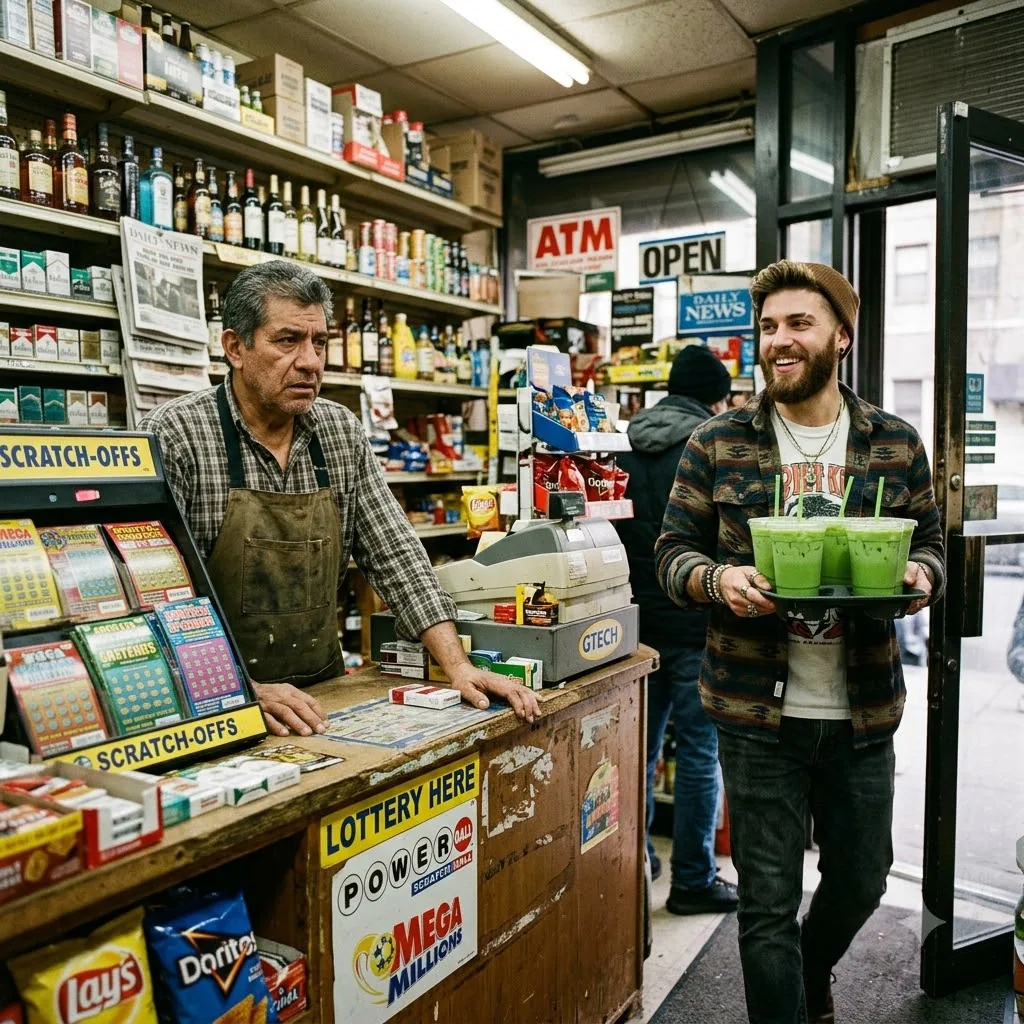
The serrated edge of the certified envelope sliced a shallow paper cut into Tomas’s thumb, but the sting was absolutely nothing compared to the cold weight dropping in his stomach as he unfolded the heavy cardstock from Empire Holdings. The bold, capitalized header practically screamed a death sentence for his bodega, blurring his vision and sucking the oxygen straight out of the cramped space behind the register. He ran a shaking finger over the thick black ink detailing the termination of his lease. He had spent twenty years standing on this exact spot, wearing a groove into the rubber mat, and this single piece of paper was about to erase it all. The relentless chime of the front door yanked him back to reality before the panic could fully set in.
A blindingly pastel polo shirt stepped over the threshold, accompanied by the cheerful clinking of ice against plastic. It was Julian, the guy who had recently signed a lease next door and immediately transformed the dusty, abandoned shoe repair shop into an artisanal matcha bar. Tomas shoved the stiff holding company letter under a thick stack of outdated lottery inventory sheets, his pulse hammering a violent rhythm against his ribs. He quickly wiped his bleeding thumb on his faded apron and forced his shoulders to drop, masking the devastation.
“Morning, neighbor,” Julian chirped, setting a cardboard tray holding two violently green beverages onto the scratched glass of the deli counter. “I figured you could use a little mid-morning pick-me-up. Iced ceremonial grade with a splash of oat milk.”
Tomas stared at the sweating plastic cups. His bodega sold harsh drip coffee in cheap paper cups that burned the fingers, and that was exactly how his construction-worker and night-shift customers liked it. He offered a tight, mechanical nod, keeping his left hand clamped flat over the lottery sheets. The certified letter hidden beneath them felt radioactive, pulsing with the silent threat of the holding company’s demands and the looming reality of padlocked doors.
“Appreciate it,” Tomas said, his voice scraped dry. He kept his arms crossed, making no move to reach for the bright green drink.
Julian leaned against the counter, drumming his manicured fingers next to a plastic display case of stale powdered donuts. He looked entirely out of place amidst the fluorescent buzz of the aging cooler compressors, the fading linoleum floor, and the packed shelves of canned beans and laundry detergent. His pristine white sneakers tapped a chaotic, upbeat rhythm, completely out of sync with the steady, exhausted heartbeat of the corner store.
“So, getting settled in has been a total whirlwind,” Julian continued, taking a long, dramatic sip from his own cup. “The foot traffic here is wild. Really raw, authentic energy. I absolutely love it.”
Tomas kept his eyes fixed on Julian’s tapping fingers. Authentic energy was just a trendy code phrase for people scraping by to buy a loaf of bread and a pack of cigarettes before a twelve-hour shift. The holding company’s letter under his hand was the exact price of that authenticity, an exorbitant price Tomas could no longer meet now that developers were swarming the neighborhood.
“Glad you like the block,” Tomas managed to say, shifting his weight. He desperately needed Julian to leave. He needed to pull that letter back out, to read the fine print, to figure out if he had thirty days or sixty days to clear out two decades of his life.
Julian smiled, flashing a bright, rehearsed row of white teeth. “It’s incredible. But, you know, being the new kid on the block, I’m running into a few logistical hurdles. Just tiny community things.”
Tomas felt a muscle twitch in his jaw. The guy had completely gutted the space next door over the past month, installing custom pendant lighting, subway tile, and reclaimed wood counters that cost more than Tomas’s entire store inventory. Hearing about logistical hurdles sounded like a cruel joke coming from someone who had a line wrapping around the corner on opening day.
“I figured since we’re neighbors, we should look out for each other,” Julian said, leaning in a fraction closer. The smell of earthy tea and expensive cologne wafted over the familiar odors of cleaning bleach and old onions. “Build a real symbiotic ecosystem. A rising tide lifts all boats.”
Tomas remained silent. The pressure under his hand was a physical weight anchoring him to the counter. He just stared at the oat milk concoction, waiting for the inevitable punchline.
“The thing is, my delivery trucks are having a nightmare of a time with the parking situation out front,” Julian said, sighing deeply as if carrying a massive burden. “The city won’t approve a commercial loading zone just for my storefront. They said there isn’t enough frontage to justify it.”
Tomas blinked, keeping his face perfectly blank. The bodega had a sliver of loading space, grandfathered in from decades ago, a small yellow curb that allowed his bread and milk deliveries to arrive without getting slapped with massive parking fines. It was the only thing keeping his supply chain functioning.
“And I noticed,” Julian said, gesturing vaguely toward the street outside the barred front window, “your delivery schedule is pretty light these days. A few vans in the early morning, maybe a soda truck on Tuesdays.”
The sheer audacity of the observation hung heavy in the stale air. Julian had been timing his deliveries. Julian had been standing in his trendy, expensive window, watching his struggling neighbor, taking detailed inventory of exactly how little product Tomas was moving.
“So, I was thinking,” Julian said, his smile stretching wider, completely blind to the stone-cold expression settling over Tomas’s face. “It would be a huge lifesaver for me, and really solidify our block’s cooperative vibe, if I could just have my artisan suppliers use your yellow zone during the afternoon.”
Tomas gripped the edge of the counter, his knuckles turning white.
“It wouldn’t be any trouble for you,” Julian added quickly, holding up a hand to wave away any imaginary concerns. “You’d just need to sign a little waiver for the city saying you’re officially sharing the commercial rights with my LLC.”
Tomas looked down at his own hand, still pressing down on the hidden letter from Empire Holdings, the letter explicitly stating he had no rights left to share.
“And obviously,” Julian said, reaching into the back pocket of his tailored chinos to pull out a folded sheet of crisp paper, “I drafted up the consent form already, to save you the hassle.”
Julian slid the document across the scratched glass, tapping the signature line with a perfectly manicured fingernail.
The serrated edge of the certified envelope sliced a shallow paper cut into Tomas’s thumb, but the sting was absolutely nothing compared to the cold weight dropping in his stomach as he unfolded the heavy cardstock from Empire Holdings. The bold, capitalized header practically screamed a death sentence for his bodega, blurring his vision and sucking the oxygen straight out of the cramped space behind the register. He ran a shaking finger over the thick black ink detailing the termination of his lease. He had spent twenty years standing on this exact spot, wearing a groove into the rubber mat, and this single piece of paper was about to erase it all. The relentless chime of the front door yanked him back to reality before the panic could fully set in.
A blindingly pastel polo shirt stepped over the threshold, accompanied by the cheerful clinking of ice against plastic. It was Julian, the guy who had recently signed a lease next door and immediately transformed the dusty, abandoned shoe repair shop into an artisanal matcha bar. Tomas shoved the stiff holding company letter under a thick stack of outdated lottery inventory sheets, his pulse hammering a violent rhythm against his ribs. He quickly wiped his bleeding thumb on his faded apron and forced his shoulders to drop, masking the devastation.
“Morning, neighbor,” Julian chirped, setting a cardboard tray holding two violently green beverages onto the scratched glass of the deli counter. “I figured you could use a little mid-morning pick-me-up. Iced ceremonial grade with a splash of oat milk.”
Tomas stared at the sweating plastic cups. His bodega sold harsh drip coffee in cheap paper cups that burned the fingers, and that was exactly how his construction-worker and night-shift customers liked it. He offered a tight, mechanical nod, keeping his left hand clamped flat over the lottery sheets. The certified letter hidden beneath them felt radioactive, pulsing with the silent threat of the holding company’s demands and the looming reality of padlocked doors.
“Appreciate it,” Tomas said, his voice scraped dry. He kept his arms crossed, making no move to reach for the bright green drink.
Julian leaned against the counter, drumming his manicured fingers next to a plastic display case of stale powdered donuts. He looked entirely out of place amidst the fluorescent buzz of the aging cooler compressors, the fading linoleum floor, and the packed shelves of canned beans and laundry detergent. His pristine white sneakers tapped a chaotic, upbeat rhythm, completely out of sync with the steady, exhausted heartbeat of the corner store.
“So, getting settled in has been a total whirlwind,” Julian continued, taking a long, dramatic sip from his own cup. “The foot traffic here is wild. Really raw, authentic energy. I absolutely love it.”
Tomas kept his eyes fixed on Julian’s tapping fingers. Authentic energy was just a trendy code phrase for people scraping by to buy a loaf of bread and a pack of cigarettes before a twelve-hour shift. The holding company’s letter under his hand was the exact price of that authenticity, an exorbitant price Tomas could no longer meet now that developers were swarming the neighborhood.
“Glad you like the block,” Tomas managed to say, shifting his weight. He desperately needed Julian to leave. He needed to pull that letter back out, to read the fine print, to figure out if he had thirty days or sixty days to clear out two decades of his life.
Julian smiled, flashing a bright, rehearsed row of white teeth. “It’s incredible. But, you know, being the new kid on the block, I’m running into a few logistical hurdles. Just tiny community things.”
Tomas felt a muscle twitch in his jaw. The guy had completely gutted the space next door over the past month, installing custom pendant lighting, subway tile, and reclaimed wood counters that cost more than Tomas’s entire store inventory. Hearing about logistical hurdles sounded like a cruel joke coming from someone who had a line wrapping around the corner on opening day.
“I figured since we’re neighbors, we should look out for each other,” Julian said, leaning in a fraction closer. The smell of earthy tea and expensive cologne wafted over the familiar odors of cleaning bleach and old onions. “Build a real symbiotic ecosystem. A rising tide lifts all boats.”
Tomas remained silent. The pressure under his hand was a physical weight anchoring him to the counter. He just stared at the oat milk concoction, waiting for the inevitable punchline.
“The thing is, my delivery trucks are having a nightmare of a time with the parking situation out front,” Julian said, sighing deeply as if carrying a massive burden. “The city won’t approve a commercial loading zone just for my storefront. They said there isn’t enough frontage to justify it.”
Tomas blinked, keeping his face perfectly blank. The bodega had a sliver of loading space, grandfathered in from decades ago, a small yellow curb that allowed his bread and milk deliveries to arrive without getting slapped with massive parking fines. It was the only thing keeping his supply chain functioning.
“And I noticed,” Julian said, gesturing vaguely toward the street outside the barred front window, “your delivery schedule is pretty light these days. A few vans in the early morning, maybe a soda truck on Tuesdays.”
The sheer audacity of the observation hung heavy in the stale air. Julian had been timing his deliveries. Julian had been standing in his trendy, expensive window, watching his struggling neighbor, taking detailed inventory of exactly how little product Tomas was moving.
“So, I was thinking,” Julian said, his smile stretching wider, completely blind to the stone-cold expression settling over Tomas’s face. “It would be a huge lifesaver for me, and really solidify our block’s cooperative vibe, if I could just have my artisan suppliers use your yellow zone during the afternoon.”
Tomas gripped the edge of the counter, his knuckles turning white.
“It wouldn’t be any trouble for you,” Julian added quickly, holding up a hand to wave away any imaginary concerns. “You’d just need to sign a little waiver for the city saying you’re officially sharing the commercial rights with my LLC.”
Tomas looked down at his own hand, still pressing down on the hidden letter from Empire Holdings, the letter explicitly stating he had no rights left to share.
“And obviously,” Julian said, reaching into the back pocket of his tailored chinos to pull out a folded sheet of crisp paper, “I drafted up the consent form already, to save you the hassle.”
Julian slid the document across the scratched glass, tapping the signature line with a perfectly manicured fingernail.