Story code: ST-001750
Part 2: The Coalition
David pulled his hand back, sliding his fingers out from beneath Eleanor’s cold, manicured palm. He wiped his fingertips subtly against the thigh of his slacks, unsettled by the lingering sensation of her grip. He looked up at Dr. Lin, whose face remained a mask of stony, rehearsed indifference.
Dr. Lin unclasped the brass buckles of the leather folio. The sound was sharp in the humid air, like a judge’s gavel snapping down. He folded back the cover, revealing a stack of heavy, ivory-colored legal paper, completely unlike the municipal forms David was used to handling.
“I am an environmental litigator,” Dr. Lin said, his voice flat and perfectly modulated. “And as of this morning, I am representing the Heritage Oak Neighborhood Coalition.”
David stared at the top sheet. It was a Draft Notice of Intent to Seek a Preliminary Injunction. His eyes scanned the bold text at the top, his heart giving a dull, heavy thump against his ribs. He had dealt with angry homeowners throwing tantrums at city council meetings, but an injunction was different. An injunction meant courts, judges, and, worst of all, time.
“There is no coalition on record with the city planning office,” David said, forcing his voice to remain steady. “The public comment period closed three weeks ago. We have the permits. The city approved the grading.”
Eleanor picked up her glass of peach-basil tea, the ice clinking cheerfully. “We formed the coalition on Tuesday, David. Grassroots organizing is so important when local government fails to protect its citizens.”
David looked past her at the yard signs. *Science is real. All neighbors are welcome.* He felt a hot spike of anger building at the base of his neck, but he swallowed it down, adhering to the strict, unwritten code of municipal development: never lose your temper with the taxpayers.
“Dr. Lin,” David said, shifting his focus back to the litigator. “The environmental impact report was conducted by the state. You cannot just slap an injunction on a state-funded affordable housing project because you do not like the driveway.”
“We aren’t contesting the driveway,” Dr. Lin replied, sliding a glossy, spiral-bound report from beneath the legal notice. He pushed it across the glass table. “We are contesting the subterranean catchment basin. Our independent hydrologist-who is peer-reviewed, unlike the city’s contractor-has concluded that deep excavation will disrupt the micro-aquifer feeding this block’s historic canopy.”
David looked at the glossy cover. *Aquifer Disruption and Canopy Mortality: A Case Study.* He didn’t need to read it to know it was weaponized bureaucracy, dressed up in the language of progressive environmentalism.
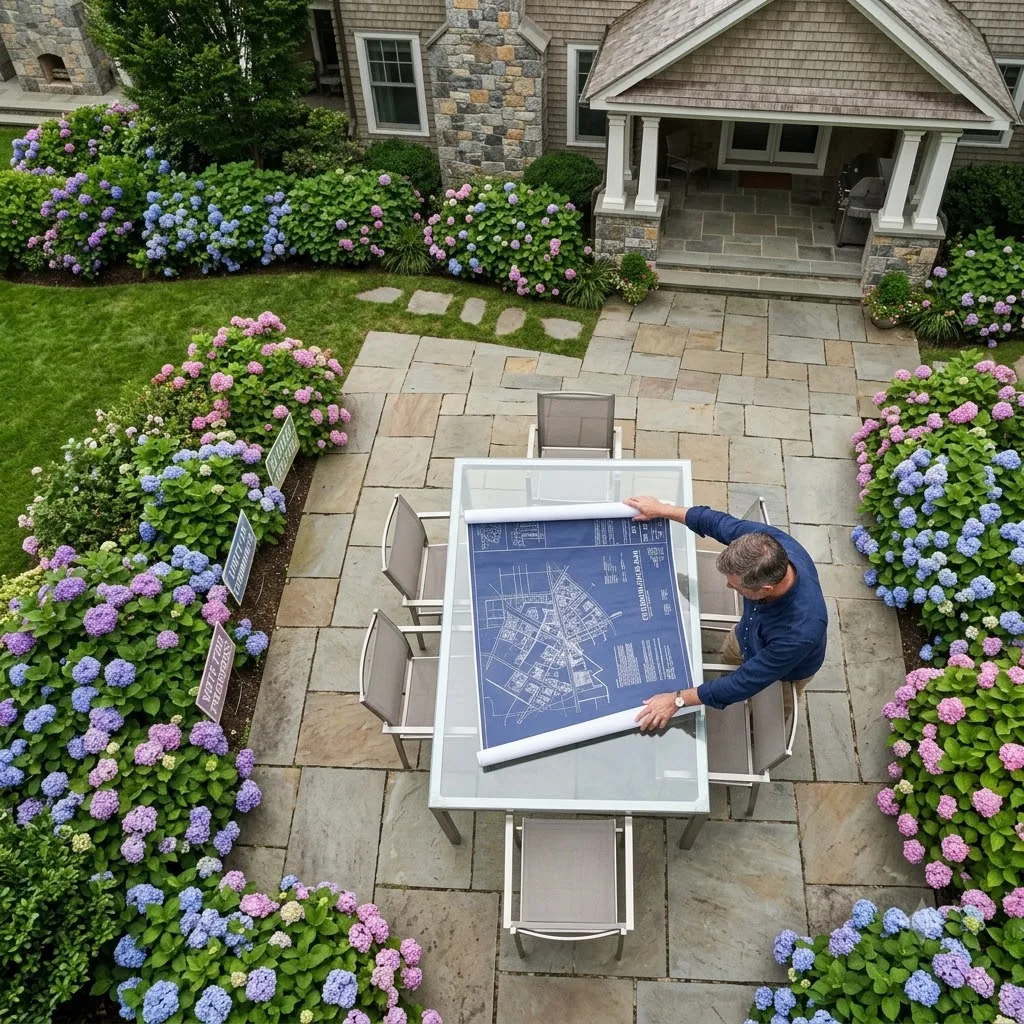
“It is a ten-foot basin,” David said, tapping his pen against his own blueprints. “It doesn’t go deep enough to touch the water table. And even if it did, the municipal mandate for high-density affordable housing supersedes local environmental aesthetic guidelines.”
“But it does not supersede the Federal Endangered Species Act,” Dr. Lin said smoothly. He tapped a manicured fingernail against a specific paragraph on the second page of his document. “Our hydrologist noted that altering the soil moisture profile threatens a localized population of the rusty-patched bumblebee, which is federally protected. Ground-nesting bees are incredibly sensitive to subterranean vibrations, David.”
David stared at Dr. Lin, his mind racing. Ground-nesting bees. They were using an insect that neither of them had ever seen to block a duplex meant for two families currently living in a transitional shelter.
“You do not have proof of a nest on this lot,” David said, his voice tight.
“We have a hypothesis of a nest,” Dr. Lin corrected gently. “Which is sufficient for a judge to grant an emergency stay of construction while a full, independent ecological survey is conducted. Such surveys require observing the habitat through all four seasons. It will take at least twelve months.”
The humid air suddenly felt suffocating. David leaned back in his chair, feeling the wicker press hard against his spine. He looked at the date stamped on his blueprint: *Groundbreaking: August 14th.*
“You know about the grant money,” David said quietly.
Eleanor smiled, adjusting her linen skirt. “We are simply concerned citizens, David. We do not pretend to understand the complicated finances of the city.”
But they did know. David could see it in the tight, satisfied corners of Dr. Lin’s mouth. The state grant funding the duplex was contingent on a strict timeline. If the foundation was not poured by the end of the fiscal quarter, the funding would automatically revert to the state’s general pool. A twelve-month delay wasn’t just a pause; it was a death sentence for the project.
“If you file this injunction,” David said, his professional neutrality fraying at the edges, “you aren’t protecting a micro-aquifer. You are killing the project entirely. The funding will expire next month.”
“Oh, that would be a tragedy,” Eleanor sighed, pressing a hand to her collarbone in a pantomime of distress. “Affordable housing is so deeply necessary. It is a human right. We just firmly believe it should not come at the cost of our fragile ecosystem. Surely the city can find a more suitable, less ecologically sensitive parcel of land? Perhaps out by the interstate?”
David looked at her manicured yard, heavily irrigated in the middle of a drought, and the hypocrisy of it threatened to choke him. They were using the very language of his own profession-sustainability, ecological justice, habitat protection-as a fortress to keep poor people out of their sightline.
“We have a counter-proposal,” Dr. Lin said, sliding a final piece of paper across the table. It was a formal purchase offer. “The coalition is prepared to buy the empty lot from the city at twenty percent above market value, provided the city agrees to rezone it as a permanent community green space. A peace offering. Everyone wins.”
David stared at the offer. If he took this back to his boss at the planning department, the director would likely take the money. The city was always desperate for cash, and fighting a well-funded injunction would drain their legal budget. But accepting it meant Eleanor and Dr. Lin won. It meant the families waiting for those duplexes would remain unhoused, boxed out by a fake concern for ground-nesting bees.
“I just need you to sign the rejection of the property line acknowledgment, David,” Eleanor said, sliding her silver pen toward him. “So Dr. Lin can attach it to the injunction filing tomorrow morning. Unless, of course, you would prefer to take our purchase offer to your director today?”
David looked at the silver pen, then at the heavily stamped blueprints representing six months of his life, and finally at the two wealthy homeowners calmly waiting to buy their way out of sharing a neighborhood. The deadline for the funding loomed in his mind like a physical weight, and the pen on the glass table felt like a loaded weapon.