Story code: ST-001750
Part 1: The Buffer Zone
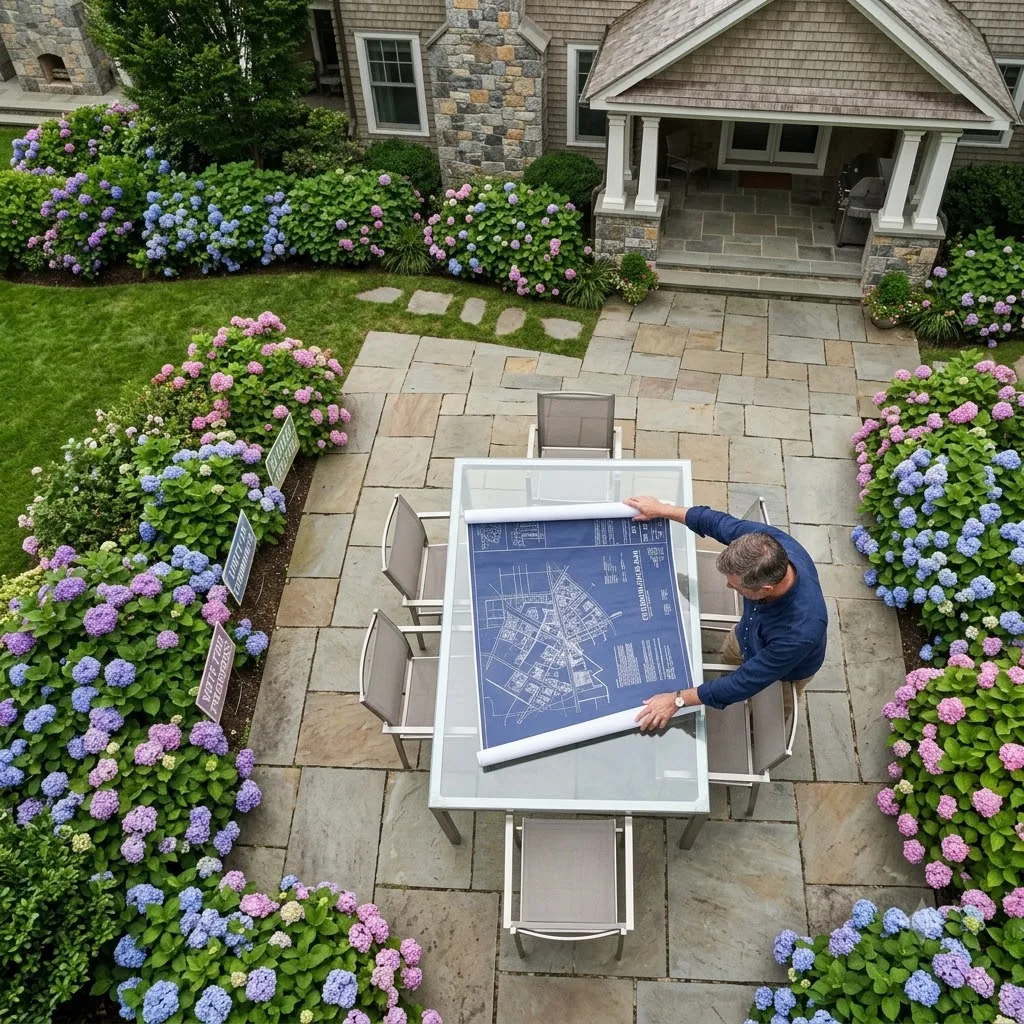
Eleanor slid a sweating highball glass of peach-basil iced tea across the glass patio table, planting it firmly on the northeast corner of David’s site plan before he could tap the property line. The ice clinked against the crystal, a sharp, expensive sound cutting through the thick afternoon humidity. David pulled his hand back, watching a ring of condensation bloom over the blueprint’s proposed foundation for the new affordable housing duplex.
“I just want to ensure we are honoring the ecological integrity of the neighborhood, David,” Eleanor said. She settled back into her wicker lounge chair, crossing her linen-clad legs. Her smile was radiant, practiced, and entirely fixed.
David unrolled the second sheet of the architectural schematics, smoothing the edges flat with his tape measure. He looked past her shoulder. Her backyard was a staggering display of manicured, drought-tolerant perfection. Beside the wrought-iron gate, stabbed into the pristine cedar mulch, a row of progressive yard signs faced the street. They boldly declared that in this house, science was real, love was love, and all neighbors were welcome.
“The footprint of the duplex is well within the required twenty-foot setback,” David said, pointing to the gridlines on the page. “The city council already approved the zoning variance for the density increase. We are just here to finalize the grading boundary so the contractors can place the construction fence.”
Eleanor took a slow sip of her tea. She did not look at the gridlines.
“You must know about municipal environmental code fourteen-dash-B, regarding heritage canopy preservation,” Eleanor said. Her tone was gentle, the kind a preschool teacher might use with a slow child. “The root system of my California oak extends far beyond that arbitrary line you have drawn. Excavating a foundation there would suffocate the root flare. We simply cannot allow concrete to strangle a hundred-year-old tree.”
David adjusted his glasses. He looked at the tree in question. It was indeed massive, casting a deep, cooling shadow over the patio. He pulled a silver pen from his shirt pocket and tapped the margin of the blueprint.
“The arborist report concluded the root zone ends twelve feet from your property line,” David said. “Our excavation starts at twenty. The oak will be perfectly safe.”
Eleanor reached out and nudged the iced tea glass an inch to the left, obscuring the arborist’s stamp of approval on the document.
“Reports can be so dreadfully short-sighted,” she said, her voice dripping with artificial warmth. “And then there is the matter of the permeable surface ratios. I read the master plan. The additional driveway paving will alter the storm-water runoff. My hydrangeas would drown, and the excess phosphorus would leach directly into the local watershed. We are very protective of our watershed in this community.”
David took a deep breath. He had spent six months battling neighborhood associations, fielding angry emails, and presenting to hostile zoning boards to get this affordable duplex approved. He was trained to maintain absolute professional neutrality, to let the facts and the blueprints do the talking. He kept his hands perfectly still on the table.
“The civil engineers designed a subterranean catchment basin under the driveway specifically to prevent runoff,” David said. “The water retention on this lot will actually improve. The project is incredibly green.”
Eleanor’s smile tightened at the corners. She leaned forward, resting her elbows on the table. The sweet smell of the peach-basil tea was becoming cloying in the stagnant air.
“It is a lovely design on paper, David,” she said softly. “But affordable housing brings a certain density that this fragile micro-ecosystem simply cannot support. We have to think of the environmental impact. The noise pollution alone disrupts the migratory nesting birds. I am sure you care about the birds.”
David felt a drop of sweat run down his spine. He looked at the yard signs again, then back at Eleanor’s unyielding, cheerful face. The contradiction was dizzying, yet she seemed entirely unaffected by the cognitive dissonance of using progressive environmental rhetoric to block low-income families from her street.
“The city density mandate overrides local neighborhood association bylaws,” David stated, his voice remaining level and measured. “We break ground on the fourteenth. I need you to sign the boundary acknowledgment today so we can proceed without disrupting your landscaping.”
Eleanor did not reach for the pen. Instead, she looked past David, her eyes lighting up with genuine, theatrical delight.
The side gate latch clicked open with a loud, metallic snap. Footsteps crunched heavily on the gravel path. David turned in his seat.
A tall, severe-looking man in a sharply tailored suit walked onto the patio, carrying a thick leather folio. He did not look like a casual afternoon guest. He looked at the blueprints on the table, then locked eyes with David.
“Ah, perfect timing,” Eleanor said, clapping her hands together lightly. “David, I want you to meet Dr. Lin. He lives in the corner lot, and I invited him to join us for this little chat.”
David stood up, extending his hand out of reflex. Dr. Lin ignored it, placing his heavy leather folio directly on top of the duplex elevation drawings. The sheer weight of the folio flattened the curled edges of the paper.
“David was just explaining how they plan to dig their trench right through our shared ecological buffer zone, Dr. Lin,” Eleanor said.
David opened his mouth to correct her, to point out the twenty-foot setback again, to cite the city ordinance that gave them the legal right to start digging. He picked up his pen and pointed at the specific municipal stamp on the bottom right corner of the page.
“The buffer zone is fully accounted for in the approved documents and the construction boundary is strictly enforced by the planning department.”
Eleanor reached across the table and placed her manicured hand over David’s fingers, pushing the pen down against the glass with a sickly-sweet, unyielding pressure.
“Let Dr. Lin show you his documentation first, David, before you say something you cannot take back.”
Eleanor slid a sweating highball glass of peach-basil iced tea across the glass patio table, planting it firmly on the northeast corner of David’s site plan before he could tap the property line. The ice clinked against the crystal, a sharp, expensive sound cutting through the thick afternoon humidity. David pulled his hand back, watching a ring of condensation bloom over the blueprint’s proposed foundation for the new affordable housing duplex.
“I just want to ensure we are honoring the ecological integrity of the neighborhood, David,” Eleanor said. She settled back into her wicker lounge chair, crossing her linen-clad legs. Her smile was radiant, practiced, and entirely fixed.
David unrolled the second sheet of the architectural schematics, smoothing the edges flat with his tape measure. He looked past her shoulder. Her backyard was a staggering display of manicured, drought-tolerant perfection. Beside the wrought-iron gate, stabbed into the pristine cedar mulch, a row of progressive yard signs faced the street. They boldly declared that in this house, science was real, love was love, and all neighbors were welcome.
“The footprint of the duplex is well within the required twenty-foot setback,” David said, pointing to the gridlines on the page. “The city council already approved the zoning variance for the density increase. We are just here to finalize the grading boundary so the contractors can place the construction fence.”
Eleanor took a slow sip of her tea. She did not look at the gridlines.
“You must know about municipal environmental code fourteen-dash-B, regarding heritage canopy preservation,” Eleanor said. Her tone was gentle, the kind a preschool teacher might use with a slow child. “The root system of my California oak extends far beyond that arbitrary line you have drawn. Excavating a foundation there would suffocate the root flare. We simply cannot allow concrete to strangle a hundred-year-old tree.”
David adjusted his glasses. He looked at the tree in question. It was indeed massive, casting a deep, cooling shadow over the patio. He pulled a silver pen from his shirt pocket and tapped the margin of the blueprint.
“The arborist report concluded the root zone ends twelve feet from your property line,” David said. “Our excavation starts at twenty. The oak will be perfectly safe.”
Eleanor reached out and nudged the iced tea glass an inch to the left, obscuring the arborist’s stamp of approval on the document.
“Reports can be so dreadfully short-sighted,” she said, her voice dripping with artificial warmth. “And then there is the matter of the permeable surface ratios. I read the master plan. The additional driveway paving will alter the storm-water runoff. My hydrangeas would drown, and the excess phosphorus would leach directly into the local watershed. We are very protective of our watershed in this community.”
David took a deep breath. He had spent six months battling neighborhood associations, fielding angry emails, and presenting to hostile zoning boards to get this affordable duplex approved. He was trained to maintain absolute professional neutrality, to let the facts and the blueprints do the talking. He kept his hands perfectly still on the table.
“The civil engineers designed a subterranean catchment basin under the driveway specifically to prevent runoff,” David said. “The water retention on this lot will actually improve. The project is incredibly green.”
Eleanor’s smile tightened at the corners. She leaned forward, resting her elbows on the table. The sweet smell of the peach-basil tea was becoming cloying in the stagnant air.
“It is a lovely design on paper, David,” she said softly. “But affordable housing brings a certain density that this fragile micro-ecosystem simply cannot support. We have to think of the environmental impact. The noise pollution alone disrupts the migratory nesting birds. I am sure you care about the birds.”
David felt a drop of sweat run down his spine. He looked at the yard signs again, then back at Eleanor’s unyielding, cheerful face. The contradiction was dizzying, yet she seemed entirely unaffected by the cognitive dissonance of using progressive environmental rhetoric to block low-income families from her street.
“The city density mandate overrides local neighborhood association bylaws,” David stated, his voice remaining level and measured. “We break ground on the fourteenth. I need you to sign the boundary acknowledgment today so we can proceed without disrupting your landscaping.”
Eleanor did not reach for the pen. Instead, she looked past David, her eyes lighting up with genuine, theatrical delight.
The side gate latch clicked open with a loud, metallic snap. Footsteps crunched heavily on the gravel path. David turned in his seat.
A tall, severe-looking man in a sharply tailored suit walked onto the patio, carrying a thick leather folio. He did not look like a casual afternoon guest. He looked at the blueprints on the table, then locked eyes with David.
“Ah, perfect timing,” Eleanor said, clapping her hands together lightly. “David, I want you to meet Dr. Lin. He lives in the corner lot, and I invited him to join us for this little chat.”
David stood up, extending his hand out of reflex. Dr. Lin ignored it, placing his heavy leather folio directly on top of the duplex elevation drawings. The sheer weight of the folio flattened the curled edges of the paper.
“David was just explaining how they plan to dig their trench right through our shared ecological buffer zone, Dr. Lin,” Eleanor said.
David opened his mouth to correct her, to point out the twenty-foot setback again, to cite the city ordinance that gave them the legal right to start digging. He picked up his pen and pointed at the specific municipal stamp on the bottom right corner of the page.
“The buffer zone is fully accounted for in the approved documents and the construction boundary is strictly enforced by the planning department.”
Eleanor reached across the table and placed her manicured hand over David’s fingers, pushing the pen down against the glass with a sickly-sweet, unyielding pressure.
“Let Dr. Lin show you his documentation first, David, before you say something you cannot take back.”