Story code: ST-001830
Part 1: The Infrastructure Argument
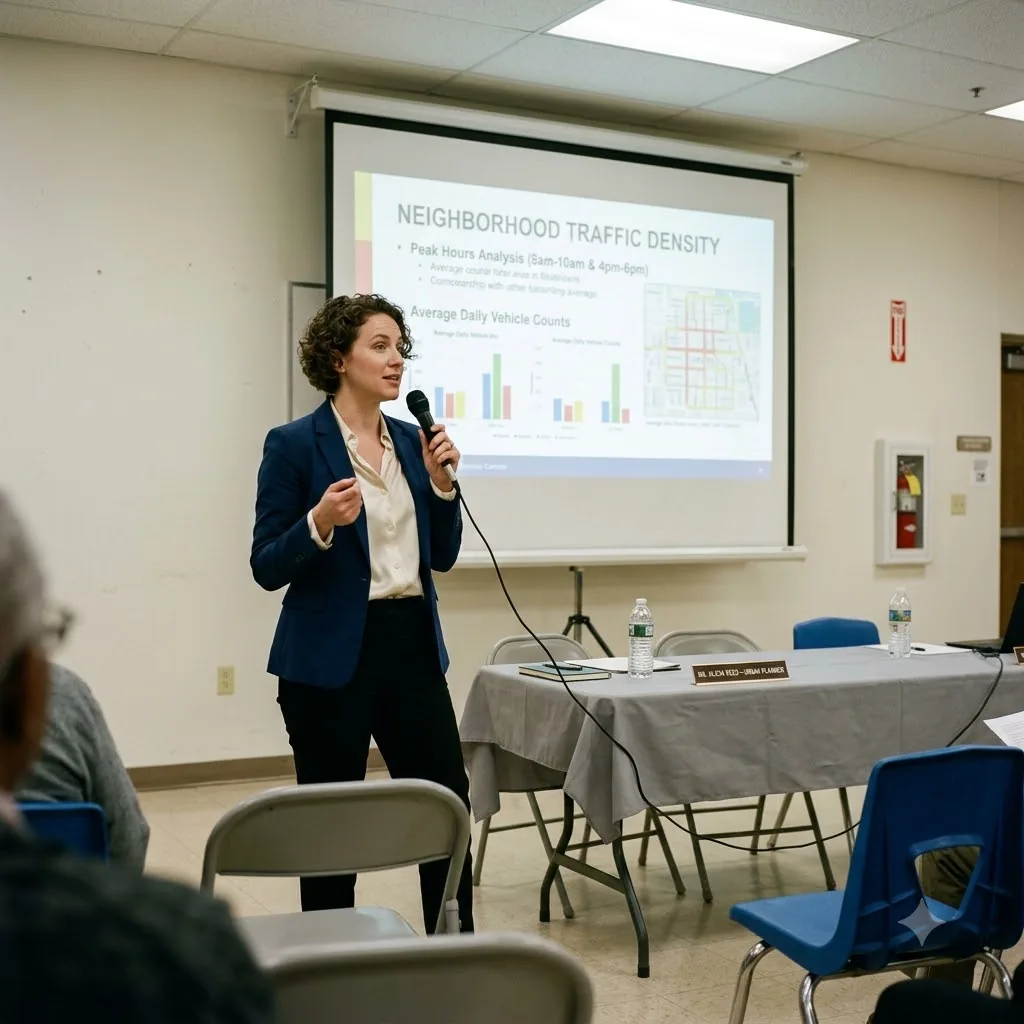
Elena tapped her silver pen against the laminate podium, letting the sharp click cut through the restless murmurs of the community center gymnasium. She leaned into the microphone, adjusting her posture to project exactly the right blend of civic duty and reluctant, heavy-hearted concern.
“The issue is not the noble intention of the facility, but rather the severe infrastructure strain it places on this specific corridor,” she said, letting her voice echo off the retracted basketball hoops.
She looked at the five members of the local zoning board. They sat behind folding tables, sweating under the harsh fluorescent lights, clutching their paper coffee cups. Elena knew exactly what they needed. They needed a reason to say no to a seventy-bed transitional shelter in their affluent zip code without sounding like monsters. As a senior features editor for the city’s largest publication, Elena understood the power of framing better than anyone in the room.
“If we examine the independent traffic study commissioned last spring, we see a glaring lack of pedestrian crosswalks on Elm Avenue,” Elena continued, smoothing the edge of her perfectly typed notes. “Introducing high-density, transient foot traffic to a street with limited sightlines and inadequate drainage is a recipe for a public safety crisis.”
She did not say the word crime. She did not mention property values. She certainly did not look at the watercolor sketch of the proposed shelter displayed on the easel to her left. Instead, she weaponized the mundane. She spoke of zoning ordinances, municipal sewage capacity, and the environmental impact on the heritage oak trees lining the sidewalk.
A low murmur of agreement rippled through the rows of folding chairs behind her. Her neighbors in the Oakridge Homeowners Association nodded in unison. They were a sophisticated, highly educated crowd. They drove electric cars and bought organic produce and considered themselves deeply compassionate. They just wanted the compassion to happen a few miles further east, near the industrial park.
Elena kept her tone steady and even. “A successful community relies on careful, deliberate planning. To bypass the environmental review process for the sake of political expediency would be a disservice to the residents who have invested their lives here. More importantly, it would be a disservice to the vulnerable populations this project claims to serve, placing them in an area utterly devoid of the necessary support infrastructure.”
She paused, letting the profound hypocrisy of her statement settle over the room like a warm, protective blanket. It was a masterclass in coded obstruction. Chairman Davis, a retired real estate attorney with a florid face, visibly relaxed his shoulders. He offered her a small, grateful nod. She had given them the exact bureaucratic jargon they required to kill the proposal on a technicality.
“We urge the board to deny the variance and insist on a comprehensive, multi-year impact study,” Elena concluded.
She gathered her papers, stepping down from the podium to a wave of enthusiastic, synchronized applause. Her neighbor, a corporate architect named Richard, leaned over and patted her shoulder as she took her seat in the front row. Elena offered a tight, modest smile, slipping her pen back into her designer tote bag. The stifling tension in the gymnasium evaporated, replaced by the smug, comfortable certainty of a neighborhood that had successfully defended its borders.
Chairman Davis tapped his gavel, a weak wooden sound swallowed by the cavernous room. “Thank you for your thorough presentation, Elena. The board appreciates your dedication to the municipal code.” He shuffled a stack of manila folders, peering over his reading glasses. “The applicant has requested rebuttal time. We will now hear from the project manager for the Hopewell Initiative.”
A man stood up from the back row. He did not match the exhausted, desperate profile of the nonprofit advocates who usually came to these meetings to beg for scraps. He wore a crisp, tailored suit that fit him better than Richard’s did. He carried no messy stacks of petitions, no emotional posters. He held only a slim, black tablet.
Elena watched him walk down the center aisle. He moved with a relaxed, terrifying confidence. The polite chatter in the room died down as his leather shoes clicked against the polished hardwood floor.
He reached the podium. He did not adjust the microphone. He simply stood there for a long moment, letting his eyes sweep across the front row of the Oakridge HOA until they locked directly onto Elena. His expression was not angry or pleading. It was the look of a man pulling a neatly oiled trap shut.
He set his tablet on the laminate surface and tapped the screen once. The projector behind the zoning board clicked to life, replacing the rendering of the shelter with a dense, color-coded spreadsheet.
“My name is Toby,” he said, his voice smooth and entirely devoid of the defensive posture Elena expected. “I want to thank the previous speaker for emphasizing the absolute necessity of strict adherence to local zoning laws and infrastructure codes. We agree completely.”
Elena felt a sudden, cold knot form in her stomach.
“In fact,” Toby continued, swiping his finger across the tablet to bring up a high-resolution satellite map of Elena’s street, “your passionate defense of the municipal code inspired us to do some independent surveying of the Oakridge neighborhood.”
He tapped the screen again, and a bright red circle appeared around the property lines of Elena’s meticulously restored Victorian home.
“Since we are strictly enforcing setback regulations and environmental impact statutes today,” Toby said, turning his head to smile directly at her.
Elena tapped her silver pen against the laminate podium, letting the sharp click cut through the restless murmurs of the community center gymnasium. She leaned into the microphone, adjusting her posture to project exactly the right blend of civic duty and reluctant, heavy-hearted concern.
“The issue is not the noble intention of the facility, but rather the severe infrastructure strain it places on this specific corridor,” she said, letting her voice echo off the retracted basketball hoops.
She looked at the five members of the local zoning board. They sat behind folding tables, sweating under the harsh fluorescent lights, clutching their paper coffee cups. Elena knew exactly what they needed. They needed a reason to say no to a seventy-bed transitional shelter in their affluent zip code without sounding like monsters. As a senior features editor for the city’s largest publication, Elena understood the power of framing better than anyone in the room.
“If we examine the independent traffic study commissioned last spring, we see a glaring lack of pedestrian crosswalks on Elm Avenue,” Elena continued, smoothing the edge of her perfectly typed notes. “Introducing high-density, transient foot traffic to a street with limited sightlines and inadequate drainage is a recipe for a public safety crisis.”
She did not say the word crime. She did not mention property values. She certainly did not look at the watercolor sketch of the proposed shelter displayed on the easel to her left. Instead, she weaponized the mundane. She spoke of zoning ordinances, municipal sewage capacity, and the environmental impact on the heritage oak trees lining the sidewalk.
A low murmur of agreement rippled through the rows of folding chairs behind her. Her neighbors in the Oakridge Homeowners Association nodded in unison. They were a sophisticated, highly educated crowd. They drove electric cars and bought organic produce and considered themselves deeply compassionate. They just wanted the compassion to happen a few miles further east, near the industrial park.
Elena kept her tone steady and even. “A successful community relies on careful, deliberate planning. To bypass the environmental review process for the sake of political expediency would be a disservice to the residents who have invested their lives here. More importantly, it would be a disservice to the vulnerable populations this project claims to serve, placing them in an area utterly devoid of the necessary support infrastructure.”
She paused, letting the profound hypocrisy of her statement settle over the room like a warm, protective blanket. It was a masterclass in coded obstruction. Chairman Davis, a retired real estate attorney with a florid face, visibly relaxed his shoulders. He offered her a small, grateful nod. She had given them the exact bureaucratic jargon they required to kill the proposal on a technicality.
“We urge the board to deny the variance and insist on a comprehensive, multi-year impact study,” Elena concluded.
She gathered her papers, stepping down from the podium to a wave of enthusiastic, synchronized applause. Her neighbor, a corporate architect named Richard, leaned over and patted her shoulder as she took her seat in the front row. Elena offered a tight, modest smile, slipping her pen back into her designer tote bag. The stifling tension in the gymnasium evaporated, replaced by the smug, comfortable certainty of a neighborhood that had successfully defended its borders.
Chairman Davis tapped his gavel, a weak wooden sound swallowed by the cavernous room. “Thank you for your thorough presentation, Elena. The board appreciates your dedication to the municipal code.” He shuffled a stack of manila folders, peering over his reading glasses. “The applicant has requested rebuttal time. We will now hear from the project manager for the Hopewell Initiative.”
A man stood up from the back row. He did not match the exhausted, desperate profile of the nonprofit advocates who usually came to these meetings to beg for scraps. He wore a crisp, tailored suit that fit him better than Richard’s did. He carried no messy stacks of petitions, no emotional posters. He held only a slim, black tablet.
Elena watched him walk down the center aisle. He moved with a relaxed, terrifying confidence. The polite chatter in the room died down as his leather shoes clicked against the polished hardwood floor.
He reached the podium. He did not adjust the microphone. He simply stood there for a long moment, letting his eyes sweep across the front row of the Oakridge HOA until they locked directly onto Elena. His expression was not angry or pleading. It was the look of a man pulling a neatly oiled trap shut.
He set his tablet on the laminate surface and tapped the screen once. The projector behind the zoning board clicked to life, replacing the rendering of the shelter with a dense, color-coded spreadsheet.
“My name is Toby,” he said, his voice smooth and entirely devoid of the defensive posture Elena expected. “I want to thank the previous speaker for emphasizing the absolute necessity of strict adherence to local zoning laws and infrastructure codes. We agree completely.”
Elena felt a sudden, cold knot form in her stomach.
“In fact,” Toby continued, swiping his finger across the tablet to bring up a high-resolution satellite map of Elena’s street, “your passionate defense of the municipal code inspired us to do some independent surveying of the Oakridge neighborhood.”
He tapped the screen again, and a bright red circle appeared around the property lines of Elena’s meticulously restored Victorian home.
“Since we are strictly enforcing setback regulations and environmental impact statutes today,” Toby said, turning his head to smile directly at her.