Story code: ST-001851
Part 1: Storm Impacts
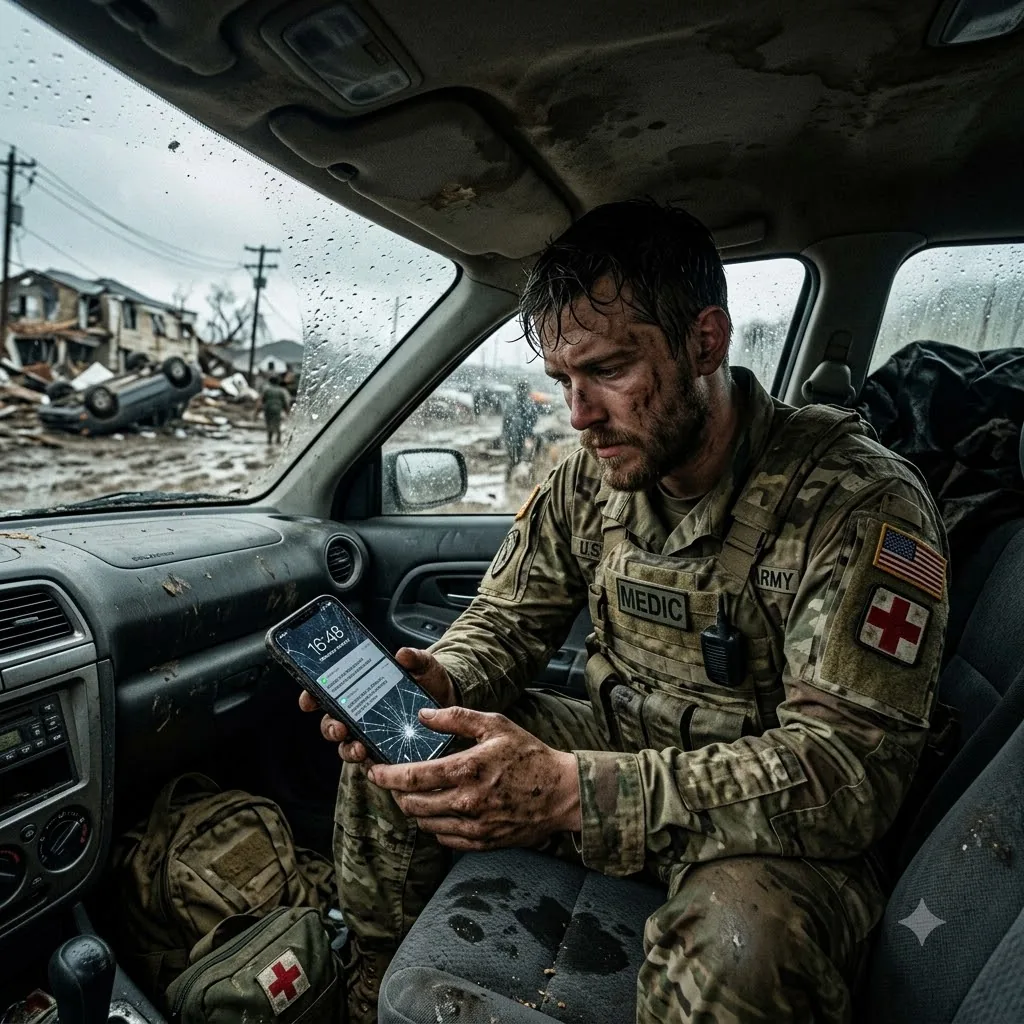
The mold in the floorboards of the Ford Taurus smelled like wet pennies and rotting leaves, baking in the ninety-degree heat of the ruined department store parking lot. Marcus sat in the driver’s seat, his back sticking to the damp upholstery, watching a single bead of condensation roll down the inside of the windshield. His phone buzzed against his thigh. He grabbed it with a hand that was already developing the fine, rapid tremor of day-two withdrawal.
The screen glared harsh white in the dim, swampy air of the cabin. It was an automated text message from the regional outpatient clinic.
Alert: Due to severe storm impacts and regional infrastructure damage, your emergency psychiatric evaluation scheduled for tomorrow at 0900 has been canceled. You have been automatically rescheduled for March 14 at 1400. Reply STOP to opt out.
March was six months away.
Marcus stared at the glowing numbers. A drop of sweat stung his left eye, but he did not blink. He read the words regarding storm impacts and infrastructure damage again. He looked up from the cracked screen, peering through the water-spotted glass at the debris-choked streets of the coastal town. His apartment building was gone, reduced to a splintered concrete slab and a pile of wet lumber. His prescription bottles had washed away with the bathroom cabinet when the storm surge breached the second floor. His emergency bridge refill had run out yesterday afternoon. He had been holding on for tomorrow morning, rationing his breaths, sleeping in the backseat of the Taurus with his feet propped out the window to keep them out of the stagnant water pooling in the footwells.
Now there was no tomorrow morning.
The tremor in his hands spread up his forearms to his shoulders. His skin felt too tight, buzzing with the electric, crawling panic of the missed dose. He tapped the call button on the clinic’s number.
An automated voice answered on the first ring, bright and cheerful, reciting a menu of options that all led back to the same recording about extreme weather events. He pressed zero. He pressed nine. He pressed the star key repeatedly until the screen froze and the call dropped entirely.
He let the phone slip from his fingers. It landed on the passenger seat, sliding into a puddle of muddy water with a dull splash.
The heat inside the car was becoming absolute. Marcus leaned his head against the steering wheel. The textured plastic was scalding against his forehead. He closed his eyes and listened to the heavy rush of blood in his ears. The physical reality of his situation was a tightening vice with no release valve. He had no home to return to. He had no medication to stop the withdrawal that was currently turning his central nervous system into raw wire. He had no doctor to see tomorrow.
The text message had blamed storm impacts. It blamed the hurricane that had drowned his entire life.
Marcus picked the phone out of the muddy water and wiped the screen on his damp jeans. He opened his mapping application and typed in the address of the regional administration headquarters. It was thirty-two miles inland, far past the flood zone, situated in the corporate park where the directors and regional coordinators worked.
The route glowed a bright blue. The estimated drive time was forty-five minutes.
Marcus turned the key in the ignition. The Taurus sputtered, coughed a thick cloud of gray exhaust, and rumbled to life with a violent shake. The air conditioning was dead, blowing only hot, swampy air directly into his face. He shifted the car into drive and pulled out of the parking lot, his tires crunching over shattered glass and twisted pieces of aluminum siding.
He drove north. The scenery slowly shifted from catastrophic ruin to orderly recovery, and finally, to pristine normalcy. The further inland he went, the less the storm seemed to have existed at all. The downed power lines were replaced by neat rows of functioning streetlights. The mud-caked, debris-lined roads gave way to freshly swept blacktop. The frantic, crawling energy of the withdrawal flared in his chest, making his breaths short and shallow, but he kept his right foot steady on the accelerator.
He turned onto a wide, tree-lined boulevard. At the end of the road stood the regional administration building.
It was a sprawling, modern structure of glass and steel, entirely untouched by the hurricane. The landscaping was immaculate. The manicured lawns were a vibrant, impossible shade of green. There were no sandbags, no boarded-up windows, no blue tarps covering roof damage. A row of pristine, freshly washed luxury sedans sat parked in the reserved spaces near the front entrance. The automatic sprinkler system was running, casting lazy arcs of clean, clear water over the decorative flowerbeds.
The text message had claimed severe infrastructure damage. It had claimed storm impacts as the sole reason he was left to deteriorate in a flooded car.
Marcus pulled his battered, mud-streaked Taurus into the circular driveway. He bypassed the visitor parking lot and stopped directly in front of the main glass doors, blocking the entrance completely. The engine idled with a rough, violent shudder, trailing swamp water onto the pristine concrete. A security guard in a crisp white shirt stood up from a desk inside the lobby, pointing a rigid finger at the car and mouthing aggressive words through the heavy glass.
Marcus turned off the ignition, pulled the keys from the column, and shoved his way out of the suffocating cabin, stepping directly into the path of the approaching guard.
The mold in the floorboards of the Ford Taurus smelled like wet pennies and rotting leaves, baking in the ninety-degree heat of the ruined department store parking lot. Marcus sat in the driver’s seat, his back sticking to the damp upholstery, watching a single bead of condensation roll down the inside of the windshield. His phone buzzed against his thigh. He grabbed it with a hand that was already developing the fine, rapid tremor of day-two withdrawal.
The screen glared harsh white in the dim, swampy air of the cabin. It was an automated text message from the regional outpatient clinic.
Alert: Due to severe storm impacts and regional infrastructure damage, your emergency psychiatric evaluation scheduled for tomorrow at 0900 has been canceled. You have been automatically rescheduled for March 14 at 1400. Reply STOP to opt out.
March was six months away.
Marcus stared at the glowing numbers. A drop of sweat stung his left eye, but he did not blink. He read the words regarding storm impacts and infrastructure damage again. He looked up from the cracked screen, peering through the water-spotted glass at the debris-choked streets of the coastal town. His apartment building was gone, reduced to a splintered concrete slab and a pile of wet lumber. His prescription bottles had washed away with the bathroom cabinet when the storm surge breached the second floor. His emergency bridge refill had run out yesterday afternoon. He had been holding on for tomorrow morning, rationing his breaths, sleeping in the backseat of the Taurus with his feet propped out the window to keep them out of the stagnant water pooling in the footwells.
Now there was no tomorrow morning.
The tremor in his hands spread up his forearms to his shoulders. His skin felt too tight, buzzing with the electric, crawling panic of the missed dose. He tapped the call button on the clinic’s number.
An automated voice answered on the first ring, bright and cheerful, reciting a menu of options that all led back to the same recording about extreme weather events. He pressed zero. He pressed nine. He pressed the star key repeatedly until the screen froze and the call dropped entirely.
He let the phone slip from his fingers. It landed on the passenger seat, sliding into a puddle of muddy water with a dull splash.
The heat inside the car was becoming absolute. Marcus leaned his head against the steering wheel. The textured plastic was scalding against his forehead. He closed his eyes and listened to the heavy rush of blood in his ears. The physical reality of his situation was a tightening vice with no release valve. He had no home to return to. He had no medication to stop the withdrawal that was currently turning his central nervous system into raw wire. He had no doctor to see tomorrow.
The text message had blamed storm impacts. It blamed the hurricane that had drowned his entire life.
Marcus picked the phone out of the muddy water and wiped the screen on his damp jeans. He opened his mapping application and typed in the address of the regional administration headquarters. It was thirty-two miles inland, far past the flood zone, situated in the corporate park where the directors and regional coordinators worked.
The route glowed a bright blue. The estimated drive time was forty-five minutes.
Marcus turned the key in the ignition. The Taurus sputtered, coughed a thick cloud of gray exhaust, and rumbled to life with a violent shake. The air conditioning was dead, blowing only hot, swampy air directly into his face. He shifted the car into drive and pulled out of the parking lot, his tires crunching over shattered glass and twisted pieces of aluminum siding.
He drove north. The scenery slowly shifted from catastrophic ruin to orderly recovery, and finally, to pristine normalcy. The further inland he went, the less the storm seemed to have existed at all. The downed power lines were replaced by neat rows of functioning streetlights. The mud-caked, debris-lined roads gave way to freshly swept blacktop. The frantic, crawling energy of the withdrawal flared in his chest, making his breaths short and shallow, but he kept his right foot steady on the accelerator.
He turned onto a wide, tree-lined boulevard. At the end of the road stood the regional administration building.
It was a sprawling, modern structure of glass and steel, entirely untouched by the hurricane. The landscaping was immaculate. The manicured lawns were a vibrant, impossible shade of green. There were no sandbags, no boarded-up windows, no blue tarps covering roof damage. A row of pristine, freshly washed luxury sedans sat parked in the reserved spaces near the front entrance. The automatic sprinkler system was running, casting lazy arcs of clean, clear water over the decorative flowerbeds.
The text message had claimed severe infrastructure damage. It had claimed storm impacts as the sole reason he was left to deteriorate in a flooded car.
Marcus pulled his battered, mud-streaked Taurus into the circular driveway. He bypassed the visitor parking lot and stopped directly in front of the main glass doors, blocking the entrance completely. The engine idled with a rough, violent shudder, trailing swamp water onto the pristine concrete. A security guard in a crisp white shirt stood up from a desk inside the lobby, pointing a rigid finger at the car and mouthing aggressive words through the heavy glass.
Marcus turned off the ignition, pulled the keys from the column, and shoved his way out of the suffocating cabin, stepping directly into the path of the approaching guard.