Story code: ST-001196
Part 1: The Art of the Fumble
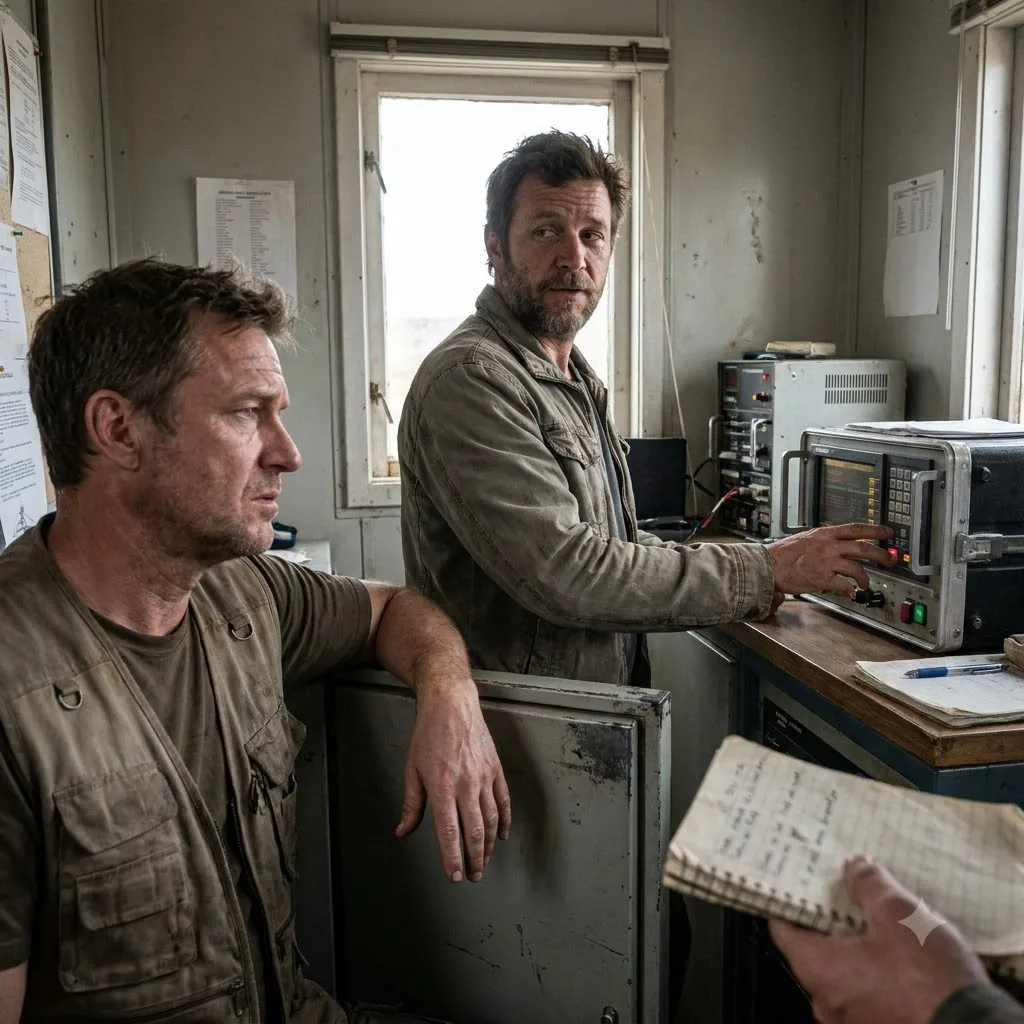
At Relay Station 9’s Terminal B, I watched Vance, our mission liaison, intentionally ruin his third delayed message capsule calibration of the morning to force Marcus to do the work for him. By entering incorrect variables into the console, Vance created an artificial system error that dumped all routing responsibility onto Marcus’s desk. It was a practiced act of weaponized incompetence, and this time, the resulting delay warning flashed a bright, critical red on our screens.
Vance sighed loudly, pushing his chair back. “Marcus, buddy, it’s doing that thing again. The layout on these station terminals is completely different from the academy simulators. Can you jump in before the queue locks?”
Marcus did not look up immediately from his own console. His hands remained steady on his keyboard as he finished entering a communications log. When he finally stood up and walked over to Vance’s station, his movements were deliberate. He didn’t speak. He reached past Vance, cleared the faulty alignment inputs, and executed the standard three-point calibration on the metallic capsule. The warning light faded back to operational blue.
“You’re a lifesaver,” Vance said, leaning back and spinning a stylus between his fingers. “I swear, the Core systems developers must have been joking when they designed this UI.”
From my desk, I could see the digital calibration ledger on my own screen. It showed Vance’s biometric signature logging in, followed by Marcus’s secondary technician override less than a minute later. This was the fifth time this week Vance had claimed he couldn’t grasp the basic coordinates. Each time, Marcus ended up doing the physical work while Vance sat back and checked his personal feed.
“The manual is on the shared drive, Vance,” Marcus said, his voice flat and even. “The steps are identical to the orbital relays.”
“Sure, sure,” Vance replied. “I’ll read through it again during the quiet hours.”
But Vance didn’t open the manual. Instead, when the next delayed message capsule arrived for routing, Vance stood up to get a cup of water, leaving his terminal blinking with a critical alignment request. The system timer began to count down.
“Vance, your station,” Marcus called out, pointing to the flashing amber light.
Vance slowly walked back, taking a sip from his cup. “Oh, is that mine? Marcus, could you just run this one? My screen is lagging terribly. I can’t even get the cursor to respond.”
“No,” Marcus said, keeping his hands flat on his desk. “Input the coordinates yourself.”
Vance frowned, his hand hovering over the console. He slowly tapped three keys, choosing variables that bypassed the safety margins. The capsule chamber hissed, and a sharp red error message filled the room: Calibration Timeout. Message Capsule Delayed. Incident Logged.
Vance looked at the screen, then at Marcus. There was no panic on his face, only a cold, calculating look as he opened the incident report template.
At Relay Station 9’s Terminal B, I watched Vance, our mission liaison, intentionally ruin his third delayed message capsule calibration of the morning to force Marcus to do the work for him. By entering incorrect variables into the console, Vance created an artificial system error that dumped all routing responsibility onto Marcus’s desk. It was a practiced act of weaponized incompetence, and this time, the resulting delay warning flashed a bright, critical red on our screens.
Vance sighed loudly, pushing his chair back. “Marcus, buddy, it’s doing that thing again. The layout on these station terminals is completely different from the academy simulators. Can you jump in before the queue locks?”
Marcus did not look up immediately from his own console. His hands remained steady on his keyboard as he finished entering a communications log. When he finally stood up and walked over to Vance’s station, his movements were deliberate. He didn’t speak. He reached past Vance, cleared the faulty alignment inputs, and executed the standard three-point calibration on the metallic capsule. The warning light faded back to operational blue.
“You’re a lifesaver,” Vance said, leaning back and spinning a stylus between his fingers. “I swear, the Core systems developers must have been joking when they designed this UI.”
From my desk, I could see the digital calibration ledger on my own screen. It showed Vance’s biometric signature logging in, followed by Marcus’s secondary technician override less than a minute later. This was the fifth time this week Vance had claimed he couldn’t grasp the basic coordinates. Each time, Marcus ended up doing the physical work while Vance sat back and checked his personal feed.
“The manual is on the shared drive, Vance,” Marcus said, his voice flat and even. “The steps are identical to the orbital relays.”
“Sure, sure,” Vance replied. “I’ll read through it again during the quiet hours.”
But Vance didn’t open the manual. Instead, when the next delayed message capsule arrived for routing, Vance stood up to get a cup of water, leaving his terminal blinking with a critical alignment request. The system timer began to count down.
“Vance, your station,” Marcus called out, pointing to the flashing amber light.
Vance slowly walked back, taking a sip from his cup. “Oh, is that mine? Marcus, could you just run this one? My screen is lagging terribly. I can’t even get the cursor to respond.”
“No,” Marcus said, keeping his hands flat on his desk. “Input the coordinates yourself.”
Vance frowned, his hand hovering over the console. He slowly tapped three keys, choosing variables that bypassed the safety margins. The capsule chamber hissed, and a sharp red error message filled the room: Calibration Timeout. Message Capsule Delayed. Incident Logged.
Vance looked at the screen, then at Marcus. There was no panic on his face, only a cold, calculating look as he opened the incident report template.