Story code: ST-001286
Part 4: The Cold Audit
The morning sun hit the front desk, casting long shadows across the empty chairs in the waiting area. It was the second week of June, and the rush of tax season had dissolved into a quiet routine of filing extensions and archiving old folders. The air conditioner hummed steadily in the corner.
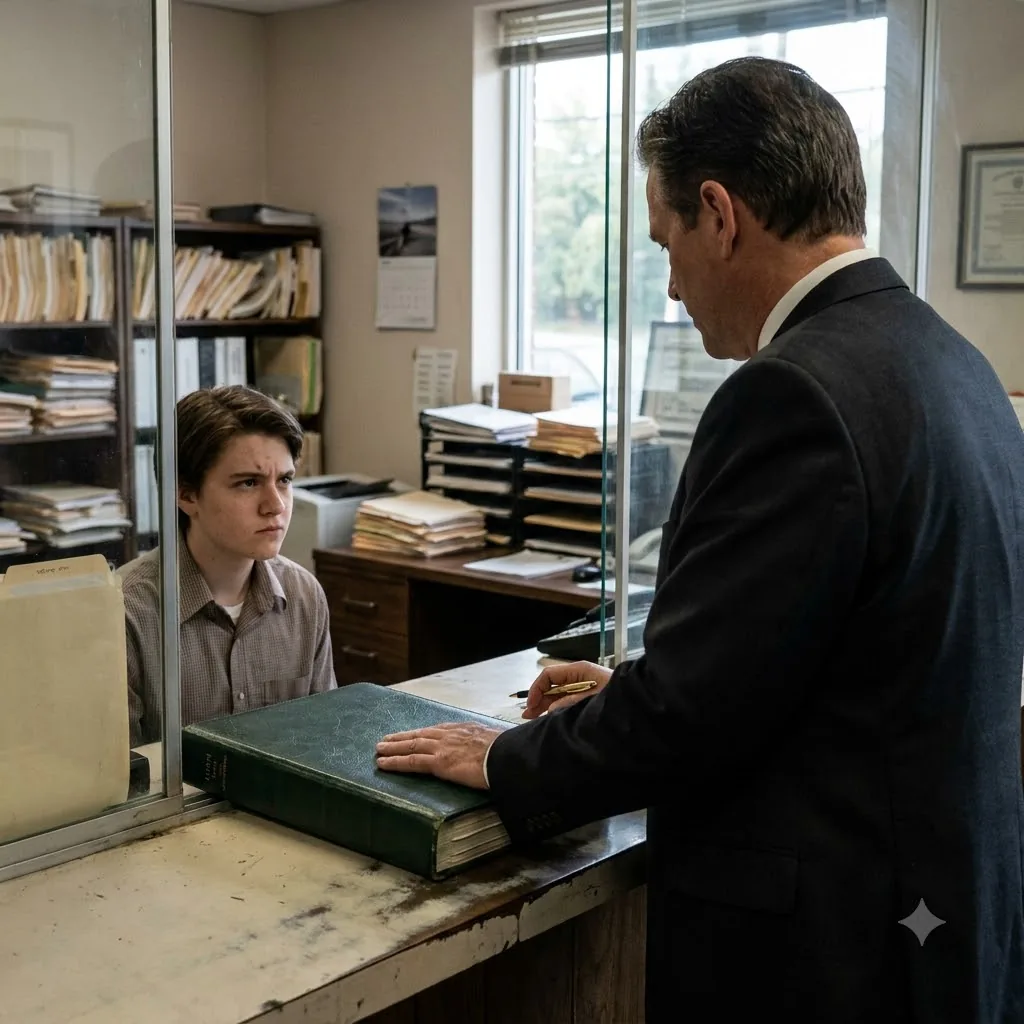
A local courier in a blue uniform walked in, carrying a clipboard and a thick manila envelope. He did not say anything as he laid the package on the counter. I signed the electronic pad, and he left, the glass doors swinging shut behind him with a soft hiss.
I used a letter opener to slice the top of the envelope. Inside was a stack of official documents from the Department of the Treasury. It was a formal administrative note, a copy of the systemic audit referral issued to our branch as the filing office of record.
At the top of the page, the name Thomas Sterling was printed in block letters, followed by his social security number and the date of death: October 14th. Below that, the document listed the five-million-dollar property transfer. The transfer had been formally flagged for review. The reason code was printed in a dry, administrative font: Sequence Mismatch – Code ST-9988-1016. Post-Mortem Transaction.
The administrative note also included a section regarding the preparer. Arthur Vance’s license number was listed, followed by a bold, black stamp: Credentials Suspended / Referral to Office of Professional Responsibility.
I turned the page. The document detailed the financial consequence: a formal assessment of the forty percent inheritance tax, plus back interest and penalties for fraudulent filing. The total liability ran into the millions, a debt that would now be secured against the Sterling family properties.
I looked out the window toward the parking lot. A silver sedan was idling near the water retention pond. Richard Sterling sat behind the wheel, his window rolled down slightly. He was staring at the front entrance of our office, his hand resting on the door frame. He looked older than he had a month ago, the collar of his shirt open and his hair uncombed. He watched the courier’s van pull out of the lot, then looked back at our glass doors. He did not get out of the car. After a few minutes, he rolled up his window, shifted the car into gear, and drove away, his tires kicking up a small cloud of dust.
My computer terminal beeped, signaling an incoming message from the regional director. I clicked the notification. The Sterling file had been locked. A red banner at the top of the screen indicated that all access credentials associated with the Vance accounting group had been permanently revoked from our system.
I filed the administrative note in the cabinet behind the counter, sliding the drawer shut until the lock clicked. The green leather ledger was gone, but the digital sequence of the impossible timeline was sealed in the database. The system had processed the discrepancy without emotion, resolving the fraud through the slow, inevitable grinding of administrative code.