Story code: ST-000132
Part 1: The Dead Feed
At 11:14 PM on a Friday, the pulsing red dots on Elias’s global crisis map froze in place and vanished, leaving a flat, terrifying zero on the live SOS feed. Elias leaned closer to the curved monitors, his reflection ghosting over the sudden black void where three million addiction recovery users usually generated a steady stream of weekend emergency alerts. The interface was designed to glow with a warm amber light whenever a user pressed the panic button, instantly matching them with an on-call sponsor. Friday nights were the highest risk hours for relapse, a time when the feed usually lit up like a compromised power grid. Now, the main dashboard showed absolute, impossible silence.
He hammered the refresh key. The screen flickered, bypassing the local cache, and reloaded the same dead zero. The backend connection indicator in the upper right corner displayed a gray, severed link icon. Elias stood up so fast his ergonomic chair rolled backward and slammed into a metal filing cabinet. The loud crash echoed across the empty, dark bullpen of the startup. The primary servers were isolated in a secure physical location.
He grabbed his master keycard from the desk. The local server rack, which handled the primary routing for the East Coast SOS signals, sat in the climate-controlled annex attached to the executive boardroom. If the digital bridge had collapsed, a hard manual reset at the physical terminal was the only way to restore the lifeline. Every second of downtime meant isolated people were staring at a frozen app while standing on the edge of a terrible decision.
Elias sprinted down the central aisle of the office. His sneakers squeaked sharply against the polished concrete floor. He bypassed the rows of sleep-mode monitors and the unlit glass pods used for daytime meetings. The ambient hum of the HVAC system seemed unnaturally loud. He had built this company precisely to stop the kind of tragedies that thrived in the quiet hours of the night. The absolute silence on the servers felt heavy and completely wrong.
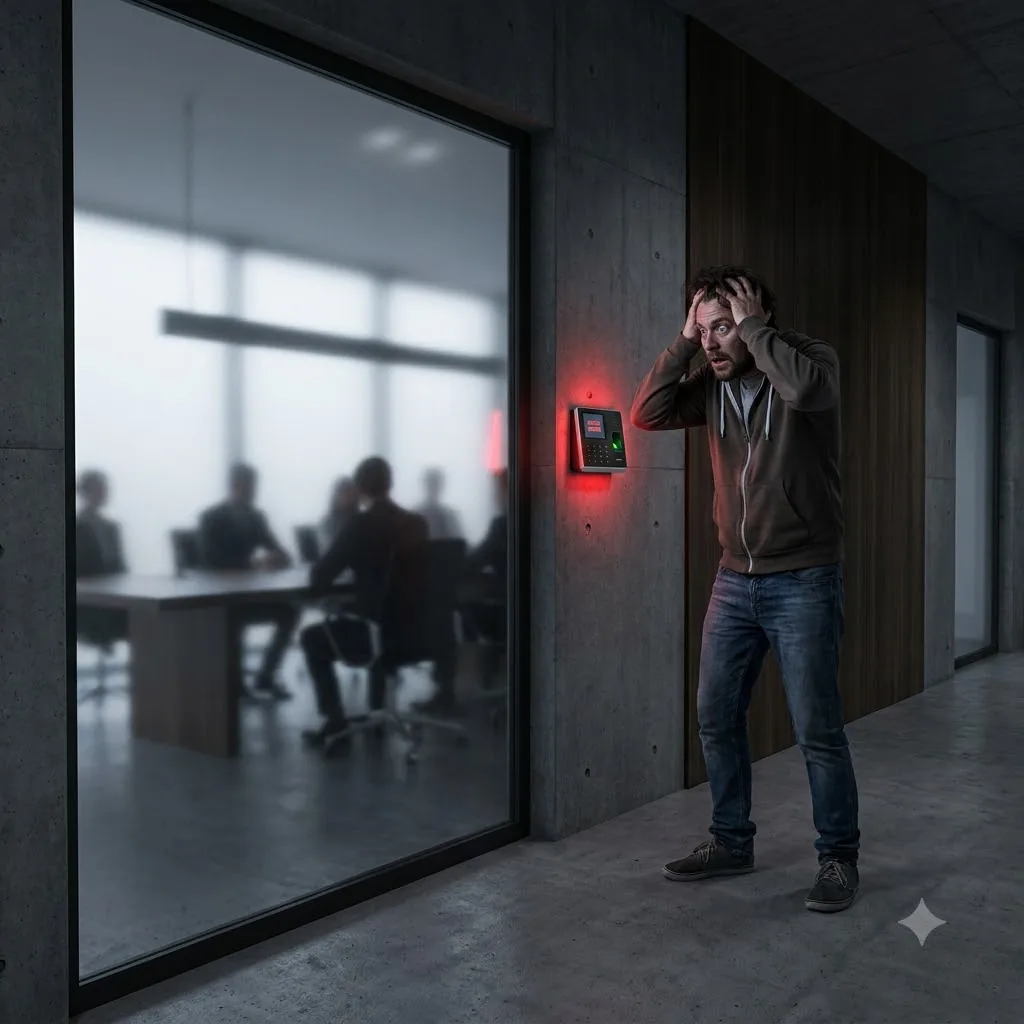
He reached the frosted glass double doors of the executive boardroom. To get to the server annex, he had to cut straight through the main conference space. He lifted his black lanyard and slapped the heavy founder card against the magnetic reader mounted on the wall.
A sharp, flat tone buzzed in the quiet corridor. The LED indicator flashed a harsh crimson red.
Elias stared at the little red bulb. He rubbed the magnetic strip on his jeans, assuming a smudge of static had disrupted the scan. He pressed the card flat against the plastic reader again.
The same flat buzz. The same red light.
He gripped the heavy stainless-steel handle and pulled with his full body weight. His shoes slipped a fraction of an inch on the floor. The door refused to budge, the magnetic lock holding firm with thousands of pounds of resistance. His master keycard was hardcoded to bypass every security protocol in the building. It could not expire. The system had rejected a Level One master clearance, a technical impossibility unless an administrator had manually gone into the security directory and revoked his specific credentials.
He pressed his face against the narrow, clear strip of glass running down the center of the frosted doors.
The boardroom was not empty.
Warm yellow light spilled across the long oak table from the recessed ceiling fixtures. Shadows moved against the far wall. Elias cupped his hands around his eyes to block the glare from the hallway, forcing his vision to adjust to the scene playing out inside.
Five people sat in the high-backed leather chairs. They wore sharp suits, their posture rigid and attentive. Open laptops cast pale blue glows on their faces. Empty coffee cups and scattered documents littered the expensive wood surface. They were having a full board meeting in the middle of the night.
At the head of the table stood Vance.
Elias felt a cold knot tighten in his stomach. Vance was supposed to be in London for a week-long investor conference. Yet here he was, wearing a dark turtleneck, holding a laser pointer, and gesturing smoothly toward the main presentation screen mounted on the wall. The screen displayed lines of backend code and structural diagrams of the app’s core routing architecture.
Elias pressed his palm flat against the cold glass. He watched Vance point the laser at a specific node on the diagram, the exact node that governed the live SOS feed.
The crisis feed had not crashed from a bug. It had been severed from the inside.
Elias knocked on the heavy glass. The thick acoustic soundproofing absorbed the impact, rendering the noise dull and weak. None of the figures inside turned their heads. They continued nodding at whatever Vance was explaining.
He balled his hand into a fist and struck the door much harder.
The heavy thud vibrated through the metal frame. Inside the room, one of the board members abruptly stopped typing. The man turned in his chair and stared directly at the narrow strip of clear glass where Elias was standing.
Then, Vance slowly lowered his laser pointer and turned his head to face the door.
Vance looked right at Elias. The expression on his face held no surprise, no alarm, only a cold, calculated stillness. Vance reached down to the master control panel embedded in the oak table and pressed a single silver button. The mechanical hum of the electronic privacy blinds roared to life inside the glass partition, sliding downward to sever the line of sight.
At 11:14 PM on a Friday, the pulsing red dots on Elias’s global crisis map froze in place and vanished, leaving a flat, terrifying zero on the live SOS feed. Elias leaned closer to the curved monitors, his reflection ghosting over the sudden black void where three million addiction recovery users usually generated a steady stream of weekend emergency alerts. The interface was designed to glow with a warm amber light whenever a user pressed the panic button, instantly matching them with an on-call sponsor. Friday nights were the highest risk hours for relapse, a time when the feed usually lit up like a compromised power grid. Now, the main dashboard showed absolute, impossible silence.
He hammered the refresh key. The screen flickered, bypassing the local cache, and reloaded the same dead zero. The backend connection indicator in the upper right corner displayed a gray, severed link icon. Elias stood up so fast his ergonomic chair rolled backward and slammed into a metal filing cabinet. The loud crash echoed across the empty, dark bullpen of the startup. The primary servers were isolated in a secure physical location.
He grabbed his master keycard from the desk. The local server rack, which handled the primary routing for the East Coast SOS signals, sat in the climate-controlled annex attached to the executive boardroom. If the digital bridge had collapsed, a hard manual reset at the physical terminal was the only way to restore the lifeline. Every second of downtime meant isolated people were staring at a frozen app while standing on the edge of a terrible decision.
Elias sprinted down the central aisle of the office. His sneakers squeaked sharply against the polished concrete floor. He bypassed the rows of sleep-mode monitors and the unlit glass pods used for daytime meetings. The ambient hum of the HVAC system seemed unnaturally loud. He had built this company precisely to stop the kind of tragedies that thrived in the quiet hours of the night. The absolute silence on the servers felt heavy and completely wrong.
He reached the frosted glass double doors of the executive boardroom. To get to the server annex, he had to cut straight through the main conference space. He lifted his black lanyard and slapped the heavy founder card against the magnetic reader mounted on the wall.
A sharp, flat tone buzzed in the quiet corridor. The LED indicator flashed a harsh crimson red.
Elias stared at the little red bulb. He rubbed the magnetic strip on his jeans, assuming a smudge of static had disrupted the scan. He pressed the card flat against the plastic reader again.
The same flat buzz. The same red light.
He gripped the heavy stainless-steel handle and pulled with his full body weight. His shoes slipped a fraction of an inch on the floor. The door refused to budge, the magnetic lock holding firm with thousands of pounds of resistance. His master keycard was hardcoded to bypass every security protocol in the building. It could not expire. The system had rejected a Level One master clearance, a technical impossibility unless an administrator had manually gone into the security directory and revoked his specific credentials.
He pressed his face against the narrow, clear strip of glass running down the center of the frosted doors.
The boardroom was not empty.
Warm yellow light spilled across the long oak table from the recessed ceiling fixtures. Shadows moved against the far wall. Elias cupped his hands around his eyes to block the glare from the hallway, forcing his vision to adjust to the scene playing out inside.
Five people sat in the high-backed leather chairs. They wore sharp suits, their posture rigid and attentive. Open laptops cast pale blue glows on their faces. Empty coffee cups and scattered documents littered the expensive wood surface. They were having a full board meeting in the middle of the night.
At the head of the table stood Vance.
Elias felt a cold knot tighten in his stomach. Vance was supposed to be in London for a week-long investor conference. Yet here he was, wearing a dark turtleneck, holding a laser pointer, and gesturing smoothly toward the main presentation screen mounted on the wall. The screen displayed lines of backend code and structural diagrams of the app’s core routing architecture.
Elias pressed his palm flat against the cold glass. He watched Vance point the laser at a specific node on the diagram, the exact node that governed the live SOS feed.
The crisis feed had not crashed from a bug. It had been severed from the inside.
Elias knocked on the heavy glass. The thick acoustic soundproofing absorbed the impact, rendering the noise dull and weak. None of the figures inside turned their heads. They continued nodding at whatever Vance was explaining.
He balled his hand into a fist and struck the door much harder.
The heavy thud vibrated through the metal frame. Inside the room, one of the board members abruptly stopped typing. The man turned in his chair and stared directly at the narrow strip of clear glass where Elias was standing.
Then, Vance slowly lowered his laser pointer and turned his head to face the door.
Vance looked right at Elias. The expression on his face held no surprise, no alarm, only a cold, calculated stillness. Vance reached down to the master control panel embedded in the oak table and pressed a single silver button. The mechanical hum of the electronic privacy blinds roared to life inside the glass partition, sliding downward to sever the line of sight.