Story code: ST-000219
Part 1: Claim Number 883904-B
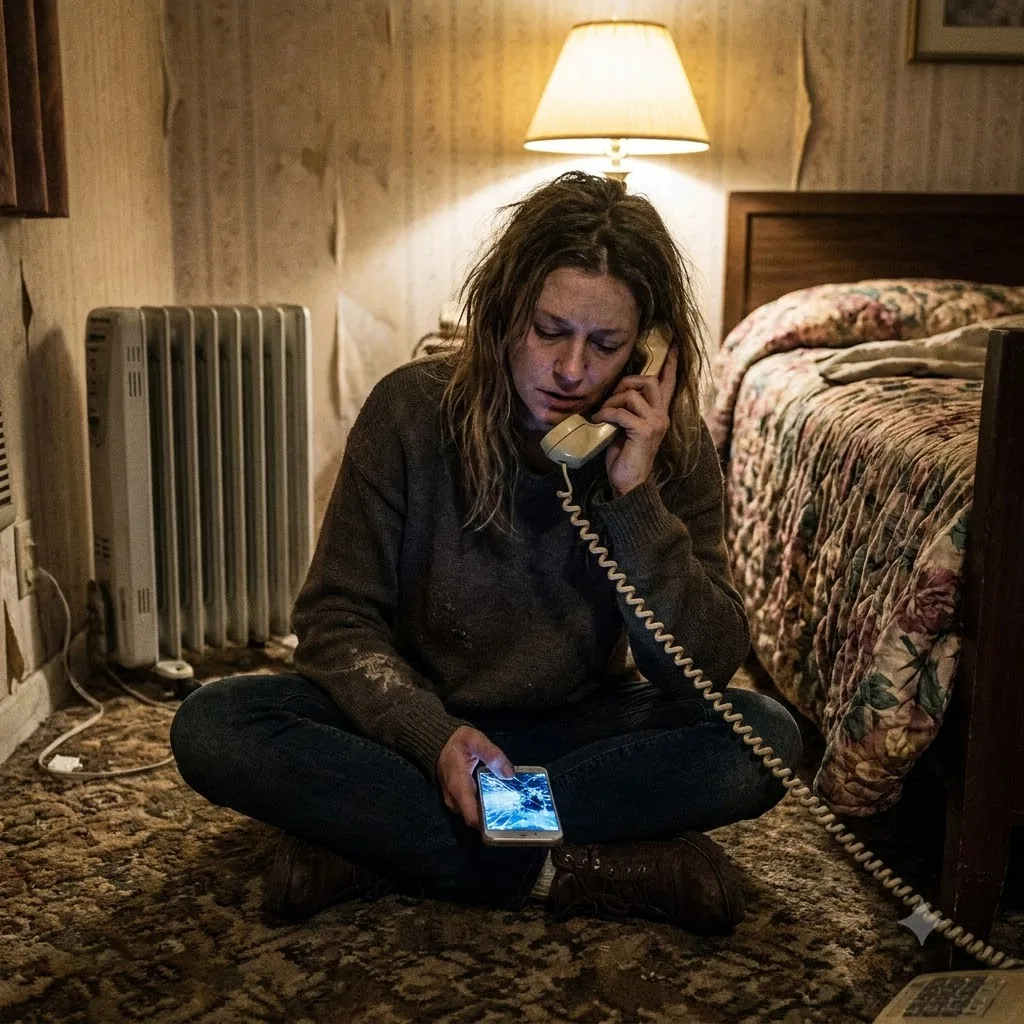
The generic saxophone loop of Pacific Mutual’s hold music played for the forty-seventh time through the tinny speaker of Maya’s phone. She sat on the edge of a motel bed that smelled deeply of stale smoke and damp synthetic fibers, staring at a peeling beige wall. A pile of soot-stained receipts and a single charred sketchbook sat on the laminate nightstand next to her. The automated voice interrupted the saxophone to remind her that her call was very important and that all agents were currently assisting other victims of the Canyon Creek wildfire.
Maya rubbed her eyes, feeling the grit of ash still caught in her lashes. Four days had passed since the evacuation order. Her house, her studio, and ten years of physical paintings were reduced to a gray footprint on a blackened hillside. Now, she was just claim number eight-eight-three-nine-zero-four, waiting to find out if the adjuster would classify her inventory as residential contents or commercial property. The distinction meant the difference between surviving the year and total bankruptcy.
She put the phone on the mattress and picked up her tablet to stop her hands from shaking. Scrolling through the local news feed usually offered nothing but aerial shots of devastation and charity drives. She needed a distraction from the crushing weight of the silent phone. Her thumb flicked past a press conference update and stopped on a feature article from the regional arts council. A bold headline announced the recipient of the annual Future Visions Digital Arts Grant, carrying a fifty-thousand dollar prize.
The thumbnail showed a smiling man named Tyler Roarke, wearing a crisp denim shirt and standing in a spotless co-working space. Maya recognized the name vaguely from a few online tech-art forums. The text praised his innovative approach to blending procedural generation with raw emotional landscapes. According to the article, Tyler had produced a stunning series capturing the heartbreak of the modern climate crisis, rendered entirely through his proprietary algorithms. Maya let out a dry, humorless breath. Her own physical brushes and canvases were currently resting at the bottom of a pile of toxic rubble, while a guy in a pristine office collected fifty grand for typing prompts into a generator.
She tapped the article to expand the gallery. The winning piece was titled Embers on the Threshold. It depicted a ruined wooden porch, half-collapsed, with the spectral glow of dying flames reflecting off a cracked ceramic pot.
Maya frowned at the screen. She pinched her fingers outward, zooming in on the lower left corner of the image. The cracked ceramic pot had a very specific defect. A jagged chunk was missing from the rim, shaped exactly like a half-moon. A trailing succulent spilled over that exact chip. Beside the pot, the wooden planks of the porch were warped upward in a starburst pattern, ending in a pile of melted metallic tubes.
Her breath caught in her throat. She zoomed in further on the melted tubes. They were the remains of a copper wind chime. A highly specific copper wind chime with little stamped hummingbirds on the sails, one of which was bent at a severe ninety-degree angle.
Maya swiped out of the news app and opened her own social media page. The day before the fire reached her property, the sky had turned a bruising purple. She had taken a photograph of her front porch, trying to capture the eerie light, and posted it with a caption about preparing to evacuate. In her photograph, the cracked pot sat on the left. The wind chime hung above the warped planks.
She toggled back to the news article. She stared at Tyler Roarke’s award-winning digital masterpiece.
It was not a generated approximation of a generic tragedy. It was a scraped, processed, and slightly filtered clone of her own photograph. The AI model Tyler used had eaten the image she uploaded, chewed up her personal terror, and spat it out as a profitable asset. The composition, the lighting, the exact pattern of the scorch marks on the steps were identical. He had just adjusted the contrast and added a faux-painted texture over the pixels.
Maya sat paralyzed on the cheap motel bed, looking from her burned sketchbook to the smiling face of the tech entrepreneur on her screen. He had stripped the metadata and claimed the trauma as his own original creation. Fifty thousand dollars for the exact view of her destroyed livelihood.
She tapped on Tyler’s portfolio link embedded in the article. It led to a gallery of ten more images. Each one featured the distinctive layout of her hillside neighborhood, twisted and distorted by the AI tool, but undeniably sourced from the local residents’ desperate final posts before fleeing their homes. He was monetizing their exact, documented losses. Her fingers hovered over the screen, tracing the digital brushstrokes of a disaster she was still physically smelling on her clothes.
The saxophone loop on her mattress abruptly cut out, replaced by a sharp click.
A nasal voice crackled through the speaker, stating that Maya’s claim file was under review and a recorded statement regarding the total loss of her commercial art inventory was now required to proceed.
The generic saxophone loop of Pacific Mutual’s hold music played for the forty-seventh time through the tinny speaker of Maya’s phone. She sat on the edge of a motel bed that smelled deeply of stale smoke and damp synthetic fibers, staring at a peeling beige wall. A pile of soot-stained receipts and a single charred sketchbook sat on the laminate nightstand next to her. The automated voice interrupted the saxophone to remind her that her call was very important and that all agents were currently assisting other victims of the Canyon Creek wildfire.
Maya rubbed her eyes, feeling the grit of ash still caught in her lashes. Four days had passed since the evacuation order. Her house, her studio, and ten years of physical paintings were reduced to a gray footprint on a blackened hillside. Now, she was just claim number eight-eight-three-nine-zero-four, waiting to find out if the adjuster would classify her inventory as residential contents or commercial property. The distinction meant the difference between surviving the year and total bankruptcy.
She put the phone on the mattress and picked up her tablet to stop her hands from shaking. Scrolling through the local news feed usually offered nothing but aerial shots of devastation and charity drives. She needed a distraction from the crushing weight of the silent phone. Her thumb flicked past a press conference update and stopped on a feature article from the regional arts council. A bold headline announced the recipient of the annual Future Visions Digital Arts Grant, carrying a fifty-thousand dollar prize.
The thumbnail showed a smiling man named Tyler Roarke, wearing a crisp denim shirt and standing in a spotless co-working space. Maya recognized the name vaguely from a few online tech-art forums. The text praised his innovative approach to blending procedural generation with raw emotional landscapes. According to the article, Tyler had produced a stunning series capturing the heartbreak of the modern climate crisis, rendered entirely through his proprietary algorithms. Maya let out a dry, humorless breath. Her own physical brushes and canvases were currently resting at the bottom of a pile of toxic rubble, while a guy in a pristine office collected fifty grand for typing prompts into a generator.
She tapped the article to expand the gallery. The winning piece was titled Embers on the Threshold. It depicted a ruined wooden porch, half-collapsed, with the spectral glow of dying flames reflecting off a cracked ceramic pot.
Maya frowned at the screen. She pinched her fingers outward, zooming in on the lower left corner of the image. The cracked ceramic pot had a very specific defect. A jagged chunk was missing from the rim, shaped exactly like a half-moon. A trailing succulent spilled over that exact chip. Beside the pot, the wooden planks of the porch were warped upward in a starburst pattern, ending in a pile of melted metallic tubes.
Her breath caught in her throat. She zoomed in further on the melted tubes. They were the remains of a copper wind chime. A highly specific copper wind chime with little stamped hummingbirds on the sails, one of which was bent at a severe ninety-degree angle.
Maya swiped out of the news app and opened her own social media page. The day before the fire reached her property, the sky had turned a bruising purple. She had taken a photograph of her front porch, trying to capture the eerie light, and posted it with a caption about preparing to evacuate. In her photograph, the cracked pot sat on the left. The wind chime hung above the warped planks.
She toggled back to the news article. She stared at Tyler Roarke’s award-winning digital masterpiece.
It was not a generated approximation of a generic tragedy. It was a scraped, processed, and slightly filtered clone of her own photograph. The AI model Tyler used had eaten the image she uploaded, chewed up her personal terror, and spat it out as a profitable asset. The composition, the lighting, the exact pattern of the scorch marks on the steps were identical. He had just adjusted the contrast and added a faux-painted texture over the pixels.
Maya sat paralyzed on the cheap motel bed, looking from her burned sketchbook to the smiling face of the tech entrepreneur on her screen. He had stripped the metadata and claimed the trauma as his own original creation. Fifty thousand dollars for the exact view of her destroyed livelihood.
She tapped on Tyler’s portfolio link embedded in the article. It led to a gallery of ten more images. Each one featured the distinctive layout of her hillside neighborhood, twisted and distorted by the AI tool, but undeniably sourced from the local residents’ desperate final posts before fleeing their homes. He was monetizing their exact, documented losses. Her fingers hovered over the screen, tracing the digital brushstrokes of a disaster she was still physically smelling on her clothes.
The saxophone loop on her mattress abruptly cut out, replaced by a sharp click.
A nasal voice crackled through the speaker, stating that Maya’s claim file was under review and a recorded statement regarding the total loss of her commercial art inventory was now required to proceed.