Story code: ST-000219
Part 4: The Blank Napkin
The silence in the gallery held for ten excruciating seconds. The projection of Maya’s coffee stain glared from the wall, a massive, fifty-thousand-dollar monument to Tyler’s arrogance. Finally, the gallery director-a woman in a severe, asymmetrical black blazer-stepped forward, her face a mask of professional horror. She signaled two brawny event staff members in crisp aprons, who flanked Tyler with practiced efficiency.
“Mr. Roarke, I think it is best we conclude this evening,” the director said, her tone sharp enough to cut glass.
Tyler’s face flushed a blotchy, uneven crimson. He clawed at the microphone on his collar, babbling defensively about “procedural parameters” and “transformative synthesis,” but the sound engineer had already cut his audio. As the staff firmly ushered a protesting Tyler out a side door, the crowd of investors collectively turned their backs, sipping their champagne in tight, uncomfortable silence. An older man wearing a silver arts council lapel pin approached Maya. He didn’t offer a handshake, just a quiet, tense assurance.
“The grant funds are suspended pending a full ethical review, Ms. Lin. We will be issuing a public statement.”
Maya didn’t smile. She just unplugged her phone, letting the projector snap back to a blinding, empty blue screen. An apology didn’t buy a new kiln.
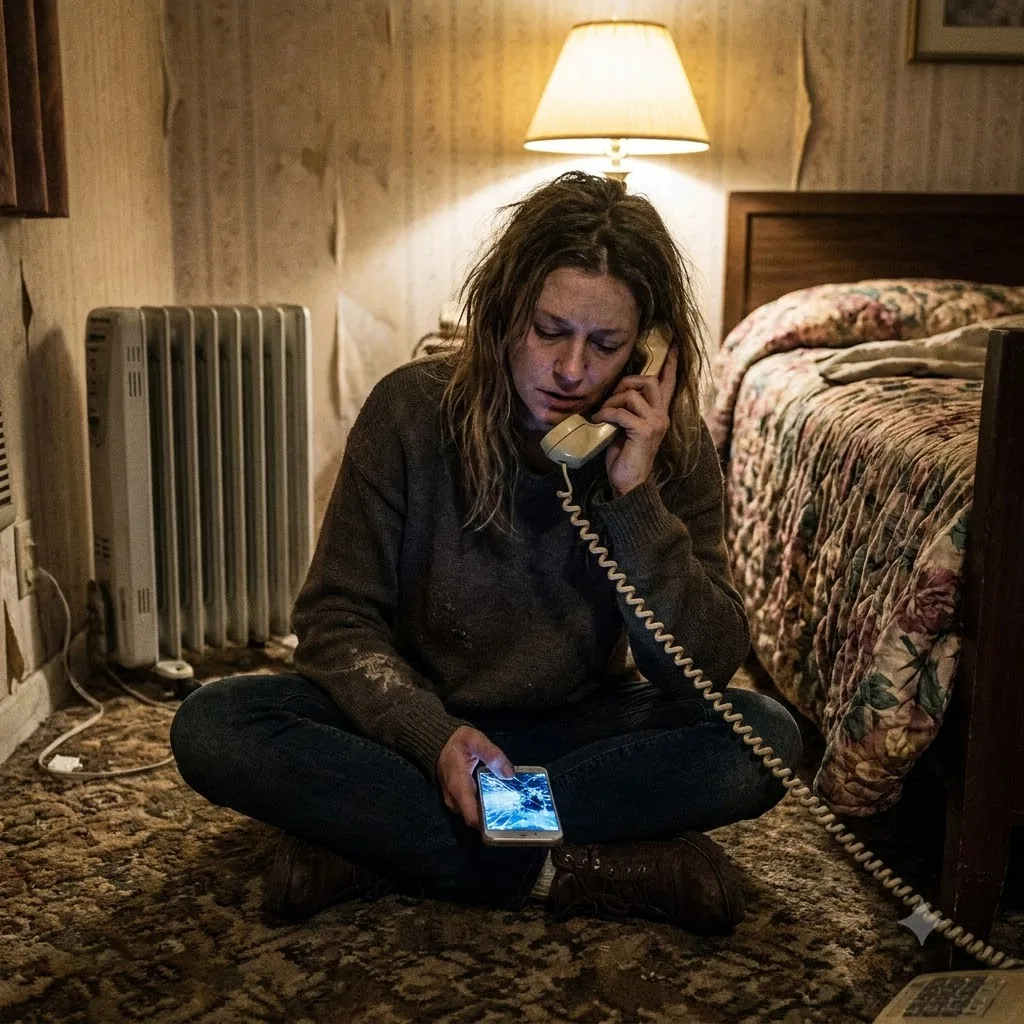
And a suspended grant didn’t fix the automated crawler bots, either. The next morning, sitting on the edge of the sagging motel mattress, Maya stared at her tablet. The red exclamation marks remained on her portfolio site. The fourteen-day mandatory legal window for a DMCA counter-notice was a concrete wall, completely indifferent to the gallery drama.
At exactly 10:00 AM, her phone rang. Pacific Mutual.
Dennis’s nasal voice was exactly the same, entirely unaffected by the moral victory she had scraped together the night before. “Ms. Lin, I see the forty-eight-hour window has expired. The URLs provided still direct to removed content.”
Maya gripped the phone, her knuckles turning white. “I proved the theft last night, Dennis. The arts council suspended his grant. The tech blogs are already writing about it this morning. You can just look at the news.”
Dennis sighed, a dry, papery sound of ultimate bureaucracy. Keys clacked loudly on his end of the line. “Pacific Mutual policy requires direct visual proof of the commercial assets in situ. We cannot use third-party news articles or blog posts to verify a private commercial inventory claim. I understand this is frustrating, but the underwriter requires photographic documentation, not an ongoing intellectual property dispute.”
“You’re bankrupting me over a machine’s glitch,” Maya whispered, her throat aching. “My studio burned to the ground. My backups burned. And now your system is punishing me because a bot filed a fake copyright strike.”
“As the digital ledger remains inaccessible, the system has automatically defaulted your file to a standard residential loss,” Dennis recited, thoroughly insulated by his script. “A check for two thousand dollars will be mailed to your temporary address. Thank you for choosing Pacific Mutual.”
The line went dead. Maya dropped the phone onto the pile of soot-stained receipts. Two thousand dollars. It wouldn’t even cover the cost of a new drafting table. Ten years of physical labor, forty-two oil paintings, the custom stretchers, the raw pigments-all of it officially erased by the overlapping blind spots of corporate policy and tech algorithms. She had won the battle in the gallery, but the machines had still won the war.
The motel room felt incredibly small, the stale cigarette smell suddenly suffocating her. Maya grabbed her coat and walked out into the frigid morning air. The sky above the highway was the color of wet iron. As she leaned against the rusted metal railing of the second-floor walkway, the first drops of freezing rain began to fall. The icy water struck the concrete below, pooling in the potholes and washing away the thin, gray layer of ash that had coated the world for the past week.
Maya took a deep, shuddering breath. The bitter cold stung her lungs, but for the first time since the evacuation sirens had sounded, the crushing weight in her chest shifted. Tyler Roarke was a fraud who didn’t know the difference between a coffee stain and an emotional anchor. He had stolen the ghost of her work, but he couldn’t generate the physical reality of creation. He could only remix what she had already brought into the world. His machine was sterile. It needed her to survive, not the other way around.
She walked down the metal stairs to the covered breezeway near the motel office, shivering as the wind whipped the rain sideways. She sat at a wobbly, plastic patio table. From her coat pocket, she pulled a cheap blue ballpoint pen and a folded, thin paper napkin she’d taken from the lobby coffee station.
Maya smoothed the napkin flat against the damp plastic table. Her hands were still cold, her bank account was effectively empty, and her studio was a pile of toxic rubble. But as she pressed the pen to the paper, drawing a sharp, jagged line to capture the harsh angle of the ice machine in the freezing rain, her hand didn’t shake. The ink bled slightly into the cheap paper, imperfect and entirely real. She kept drawing.