Story code: ST-000239
Part 1: The Glass Booth
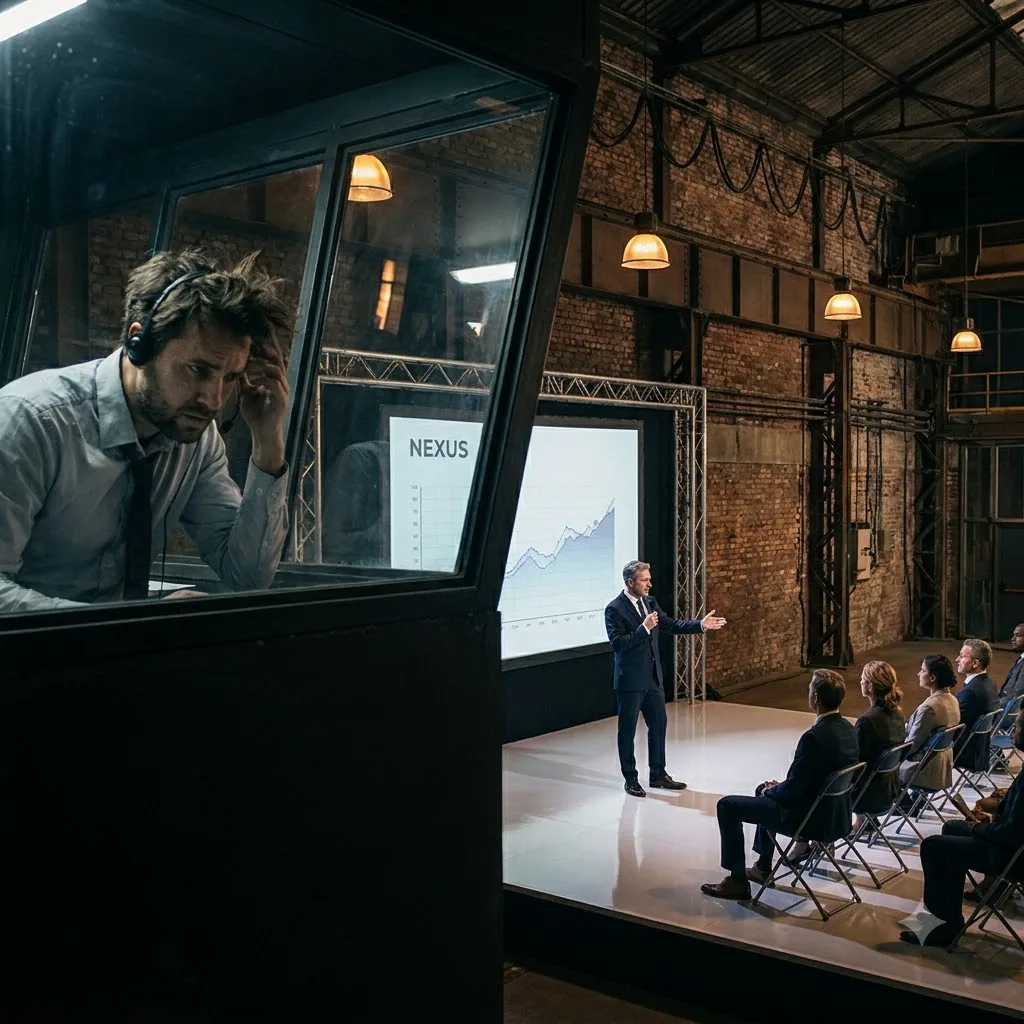
Caleb sat locked inside the glass-walled tech booth of the refurbished iron mill, his index finger hovering a millimeter above the enter key. On the glowing monitor, a rogue script waited for his final command, a single keystroke away from dismantling the live demo. Through the soundproof glass, he watched Julian strut across the polished concrete floor below, smiling at a cluster of coastal investors who treated Caleb’s hometown like a rustic petting zoo.
Julian wore a bespoke linen suit that stood out against the sandblasted brick and preserved rust of the old factory. The investors, draped in pristine casualwear, pointed at the massive exposed iron girders and nodded with exaggerated appreciation. Caleb adjusted his headset, the audio feed piping Julian’s smooth baritone directly into his ears. Julian pitched the application as a seamless revolution, a frictionless miracle of modern logistics. Every polished word felt like sandpaper against Caleb’s eardrums. He stared at the blinking cursor at the end of his command line. The script would wipe the faux-data, rip away the elegant interface, and project the brutal reality of the app’s actual footprint onto the sixty-foot screen behind Julian.
Julian clicked his presentation remote. A slick, animated graph bloomed on the massive LED screen. The investors murmured their approval. A woman in a cashmere sweater took a photo of the data visualization, then turned her phone to capture the grimy aesthetic of an old smelter pot Julian had repurposed as a decorative coffee table. Caleb’s jaw tightened. This mill used to employ half the town before the rust set in. Now it was just a theatrical backdrop for Julian to sell an absolute lie.
Caleb flexed his right hand. A cramp shot up his forearm from holding his wrist so rigidly above the keyboard. The air in the tech booth felt thick and suffocating despite the humming air conditioner. He checked the digital clock on his secondary monitor. Two minutes remained until Julian prompted the live simulation. That was the designated window. As soon as Julian said the trigger phrase, Caleb was supposed to launch the clean, curated fake data package to wow the audience. Instead, he planned to hit enter on his own terminal. He would let the wealthy visitors see exactly what was powering Julian’s frictionless miracle.
The agonizing delay stretched his nerves to the breaking point. Caleb listened to Julian weave a narrative of unprecedented user growth and sustainable scaling. It was a masterclass in misdirection. Julian paced the stage, making confident eye contact with the lead investor, a silver-haired man who kept checking a smartwatch that cost more than a local family’s annual income.
Caleb rested his left hand on his knee to stop it from bouncing against the desk. Heavy guilt gnawed at his stomach. He had built the core architecture of the platform. He had written the thousands of lines of code Julian was currently taking full credit for, and he had looked the other way when Julian started cutting corners and fabricating the metrics to impress the venture capitalists. The projected success was a complete illusion. The app’s real footprint was a chaotic, exploitative mess entirely hidden behind a beautiful user interface.
Julian raised his hands, gesturing broadly to the cavernous space around them. The audio feed crackled slightly in Caleb’s headset as Julian praised the resilience of the local community, claiming the technology would single-handedly revitalize the region. The sheer audacity of the statement made Caleb’s chest physically ache. He shifted his gaze from the brightly lit floor back to his dark monitor. The command line awaited him. He wiped a cold bead of sweat from his forehead. The investors chuckled at a rehearsed joke Julian made about the spotty local Wi-Fi. Caleb slid his finger back over the enter key. He just needed to wait for the verbal cue. He imagined the exact look on Julian’s face when the giant screen shifted from elegant pie charts to the raw, unedited logs of the operation. The venture capitalists would see the hollow shell. The funding would vanish instantly. Julian’s empire would collapse before it ever secured a launch date.
“And now, we get to the core of it all,” Julian said, his voice echoing through the massive mill and vibrating into Caleb’s earpiece. This was the moment. The lead-up to the live demo.
Caleb took a sharp breath. He pressed the pad of his finger down, feeling the mechanical resistance of the keyboard switch. A fraction of an inch further and the script would run. The trap would snap shut.
Down on the floor, Julian stopped pacing. He did not say the trigger phrase. Instead, he turned his back to the investors and looked directly up at the tinted glass of the elevated tech booth. The charismatic smile on Julian’s face remained fixed, but his eyes locked onto Caleb’s shadowed silhouette.
Julian raised the microphone to his lips. “Actually, I think a platform this groundbreaking deserves a personal touch from the lead architect himself.”
Caleb froze. The pressure of his finger on the key held completely steady, suspended in sudden panic.
“Caleb,” Julian’s voice boomed through the array of speakers, magnified by the acoustics of the steel mill. “Come on down here and run the live simulation right from the stage with us.”
The investors turned around in unison, craning their necks to look up at the booth. A powerful spotlight snapped on, blinding Caleb and illuminating his frozen posture behind the glass. Julian stood perfectly still on the stage, holding out a sleek tablet, waiting for his lead engineer to abandon the safety of the booth and descend the metal stairs.
Caleb sat locked inside the glass-walled tech booth of the refurbished iron mill, his index finger hovering a millimeter above the enter key. On the glowing monitor, a rogue script waited for his final command, a single keystroke away from dismantling the live demo. Through the soundproof glass, he watched Julian strut across the polished concrete floor below, smiling at a cluster of coastal investors who treated Caleb’s hometown like a rustic petting zoo.
Julian wore a bespoke linen suit that stood out against the sandblasted brick and preserved rust of the old factory. The investors, draped in pristine casualwear, pointed at the massive exposed iron girders and nodded with exaggerated appreciation. Caleb adjusted his headset, the audio feed piping Julian’s smooth baritone directly into his ears. Julian pitched the application as a seamless revolution, a frictionless miracle of modern logistics. Every polished word felt like sandpaper against Caleb’s eardrums. He stared at the blinking cursor at the end of his command line. The script would wipe the faux-data, rip away the elegant interface, and project the brutal reality of the app’s actual footprint onto the sixty-foot screen behind Julian.
Julian clicked his presentation remote. A slick, animated graph bloomed on the massive LED screen. The investors murmured their approval. A woman in a cashmere sweater took a photo of the data visualization, then turned her phone to capture the grimy aesthetic of an old smelter pot Julian had repurposed as a decorative coffee table. Caleb’s jaw tightened. This mill used to employ half the town before the rust set in. Now it was just a theatrical backdrop for Julian to sell an absolute lie.
Caleb flexed his right hand. A cramp shot up his forearm from holding his wrist so rigidly above the keyboard. The air in the tech booth felt thick and suffocating despite the humming air conditioner. He checked the digital clock on his secondary monitor. Two minutes remained until Julian prompted the live simulation. That was the designated window. As soon as Julian said the trigger phrase, Caleb was supposed to launch the clean, curated fake data package to wow the audience. Instead, he planned to hit enter on his own terminal. He would let the wealthy visitors see exactly what was powering Julian’s frictionless miracle.
The agonizing delay stretched his nerves to the breaking point. Caleb listened to Julian weave a narrative of unprecedented user growth and sustainable scaling. It was a masterclass in misdirection. Julian paced the stage, making confident eye contact with the lead investor, a silver-haired man who kept checking a smartwatch that cost more than a local family’s annual income.
Caleb rested his left hand on his knee to stop it from bouncing against the desk. Heavy guilt gnawed at his stomach. He had built the core architecture of the platform. He had written the thousands of lines of code Julian was currently taking full credit for, and he had looked the other way when Julian started cutting corners and fabricating the metrics to impress the venture capitalists. The projected success was a complete illusion. The app’s real footprint was a chaotic, exploitative mess entirely hidden behind a beautiful user interface.
Julian raised his hands, gesturing broadly to the cavernous space around them. The audio feed crackled slightly in Caleb’s headset as Julian praised the resilience of the local community, claiming the technology would single-handedly revitalize the region. The sheer audacity of the statement made Caleb’s chest physically ache. He shifted his gaze from the brightly lit floor back to his dark monitor. The command line awaited him. He wiped a cold bead of sweat from his forehead. The investors chuckled at a rehearsed joke Julian made about the spotty local Wi-Fi. Caleb slid his finger back over the enter key. He just needed to wait for the verbal cue. He imagined the exact look on Julian’s face when the giant screen shifted from elegant pie charts to the raw, unedited logs of the operation. The venture capitalists would see the hollow shell. The funding would vanish instantly. Julian’s empire would collapse before it ever secured a launch date.
“And now, we get to the core of it all,” Julian said, his voice echoing through the massive mill and vibrating into Caleb’s earpiece. This was the moment. The lead-up to the live demo.
Caleb took a sharp breath. He pressed the pad of his finger down, feeling the mechanical resistance of the keyboard switch. A fraction of an inch further and the script would run. The trap would snap shut.
Down on the floor, Julian stopped pacing. He did not say the trigger phrase. Instead, he turned his back to the investors and looked directly up at the tinted glass of the elevated tech booth. The charismatic smile on Julian’s face remained fixed, but his eyes locked onto Caleb’s shadowed silhouette.
Julian raised the microphone to his lips. “Actually, I think a platform this groundbreaking deserves a personal touch from the lead architect himself.”
Caleb froze. The pressure of his finger on the key held completely steady, suspended in sudden panic.
“Caleb,” Julian’s voice boomed through the array of speakers, magnified by the acoustics of the steel mill. “Come on down here and run the live simulation right from the stage with us.”
The investors turned around in unison, craning their necks to look up at the booth. A powerful spotlight snapped on, blinding Caleb and illuminating his frozen posture behind the glass. Julian stood perfectly still on the stage, holding out a sleek tablet, waiting for his lead engineer to abandon the safety of the booth and descend the metal stairs.