Story code: ST-000247
Part 1: The Eyesore
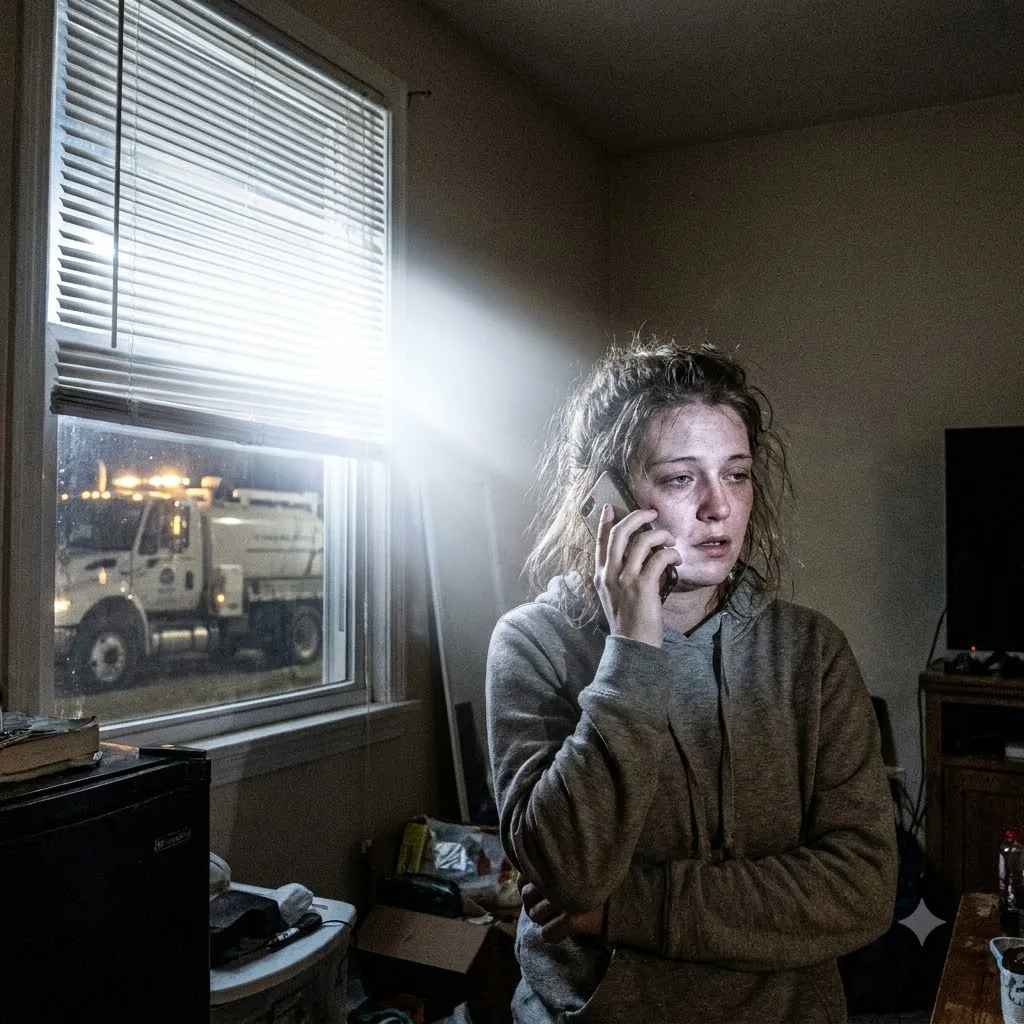
Becca pressed her palm flat against the rattling windowpane of her cheap duplex, feeling the intense, throbbing vibration travel all the way up her forearm. A deep, mechanical growl choked the air outside her front door, an oppressive diesel hum that made the thin drywall shudder and shook her thrift-store picture frames completely out of alignment.
“It is a complete eyesore, Becca,” Diane announced over the phone, her crisp, aristocratic cadence slicing right through the deafening noise. “An absolute blight on the town aesthetic. We are organizing a coalition immediately to address it.”
Becca tried to focus on her mother-in-law’s complaint, but the heavy vibration outside grew more aggressive. It sounded as though a massive piece of heavy industrial machinery was idling directly on her patchy front lawn. The floorboards vibrated against the soles of her threadbare socks.
Diane continued her lecture, entirely oblivious to the fact that her daughter-in-law could barely hear her over the mechanical roar. “The neighborhood association agrees entirely. We simply cannot have that aggressive municipal monstrosity parked anywhere near the south entrance of the Heights. It sends the wrong message to visitors. It ruins the historical character of the avenue.”
Becca glanced around her cramped, dimly lit living room. The historical character of her own street consisted mostly of cracked pavement, overflowing municipal trash bins, and a flickering streetlight the city had neglected to fix for three years. Diane lived in a sprawling, inherited estate up on the hill, protected by tall wrought-iron gates and pristine landscaping. They occupied the same town but lived in entirely different worlds.
“We are marching down to the precinct tomorrow morning,” Diane insisted, her tone carrying the absolute certainty of a woman who had never been told no in her entire adult life. “I need you there. We must present a united front of concerned mothers to the Chief.”
The mechanical engine outside spiked into an ear-splitting rumble, vibrating the cheap plastic blinds against the glass. Becca stepped closer to the window, intending to peek through the slats to see exactly what was tearing up her street.
“I expect you at the country club at eight sharp,” Diane commanded. “We will not tolerate this eyesore for another single day.”
Before Becca could reach the cord to twist the blinds open, a blinding, surgical-white beam from a rooftop spotlight slashed through the window. The light hit Becca straight in the face, completely washing out her vision and drowning her small living room in a harsh, interrogation-level glare.
Becca stood in the polished, mahogany-lined conference room of the police precinct twelve hours later, her eyes still aching from the memory of that blinding light. She shifted uncomfortably in her inexpensive wool cardigan, painfully aware of the stark contrast between herself and the six impeccably dressed women flanking her.
Diane stood at the head of the polished table, her posture rigid with righteous indignation. She wore a tailored beige suit that cost more than Becca’s annual rent. The other members of the wealthy mothers’ coalition murmured in agreement with one another, adjusting their designer handbags and checking their pristine manicures.
Chief of Police Miller sat across from them, his broad shoulders straining the seams of his dark uniform shirt. He maintained a perfectly neutral expression, his large hands folded calmly over a thick manila folder.
“We appreciate your dedication to the community, Chief,” Diane said, utilizing her most diplomatic, yet relentlessly firm, voice. “However, the presence of that military-grade monstrosity near our neighborhoods is unacceptable. It is an intimidation tactic that disrupts the peace of our estates. We demand it be relocated permanently.”
Becca stared at the polished tabletop. The massive armored silhouette she had seen rolling past her duplex the night before after the light faded was undeniably terrifying. Its thick armored plating and menacing profile belonged on a battlefield, not patrolling the pothole-ridden streets of the lower district. Yet, Diane and her friends spoke as if the vehicle was merely an ugly lawn ornament ruining their picturesque views of the lake.
“It frightens the children,” another mother chimed in, adjusting a heavy diamond tennis bracelet on her wrist. “We moved to the Heights for tranquility. That machine is loud, aggressive, and frankly, completely unnecessary for a quiet town like ours.”
Diane rested a hand on Becca’s shoulder, pulling her forward slightly to showcase her to the Chief. “Even our younger residents agree with us on this matter. Becca here lives closer to town and finds the entire situation deeply distressing. We are all firmly united in this.”
Becca tensed under her mother-in-law’s perfectly manicured grip. Diane had never once visited the duplex. She had never felt the floors shake or had a high-intensity spotlight sweep through her bedroom in the middle of the night. To Diane, Becca was just a useful prop, an extra body to add weight and the illusion of diverse support to the coalition’s demands.
Chief Miller listened in complete silence until the chorus of privileged complaints finally faded into an expectant hush. He unclasped his hands and slowly reached for the thick manila folder resting in front of him.
“I hear your concerns, ladies,” the Chief said, his voice a low, gravelly rumble that strangely reminded Becca of the heavy diesel engine from the night before. “You value the peace and security of your specific neighborhoods. You want to ensure your property values remain completely unaffected by our new tactical asset.”
Diane nodded curtly, crossing her arms over her chest in triumph.
Chief Miller opened the folder with deliberate slowness. “That is exactly why we need to discuss the new municipal patrol routes.”
He reached inside the folder and pulled out a large, heavily annotated municipal map, spreading it flat across the polished mahogany.
Becca pressed her palm flat against the rattling windowpane of her cheap duplex, feeling the intense, throbbing vibration travel all the way up her forearm. A deep, mechanical growl choked the air outside her front door, an oppressive diesel hum that made the thin drywall shudder and shook her thrift-store picture frames completely out of alignment.
“It is a complete eyesore, Becca,” Diane announced over the phone, her crisp, aristocratic cadence slicing right through the deafening noise. “An absolute blight on the town aesthetic. We are organizing a coalition immediately to address it.”
Becca tried to focus on her mother-in-law’s complaint, but the heavy vibration outside grew more aggressive. It sounded as though a massive piece of heavy industrial machinery was idling directly on her patchy front lawn. The floorboards vibrated against the soles of her threadbare socks.
Diane continued her lecture, entirely oblivious to the fact that her daughter-in-law could barely hear her over the mechanical roar. “The neighborhood association agrees entirely. We simply cannot have that aggressive municipal monstrosity parked anywhere near the south entrance of the Heights. It sends the wrong message to visitors. It ruins the historical character of the avenue.”
Becca glanced around her cramped, dimly lit living room. The historical character of her own street consisted mostly of cracked pavement, overflowing municipal trash bins, and a flickering streetlight the city had neglected to fix for three years. Diane lived in a sprawling, inherited estate up on the hill, protected by tall wrought-iron gates and pristine landscaping. They occupied the same town but lived in entirely different worlds.
“We are marching down to the precinct tomorrow morning,” Diane insisted, her tone carrying the absolute certainty of a woman who had never been told no in her entire adult life. “I need you there. We must present a united front of concerned mothers to the Chief.”
The mechanical engine outside spiked into an ear-splitting rumble, vibrating the cheap plastic blinds against the glass. Becca stepped closer to the window, intending to peek through the slats to see exactly what was tearing up her street.
“I expect you at the country club at eight sharp,” Diane commanded. “We will not tolerate this eyesore for another single day.”
Before Becca could reach the cord to twist the blinds open, a blinding, surgical-white beam from a rooftop spotlight slashed through the window. The light hit Becca straight in the face, completely washing out her vision and drowning her small living room in a harsh, interrogation-level glare.
Becca stood in the polished, mahogany-lined conference room of the police precinct twelve hours later, her eyes still aching from the memory of that blinding light. She shifted uncomfortably in her inexpensive wool cardigan, painfully aware of the stark contrast between herself and the six impeccably dressed women flanking her.
Diane stood at the head of the polished table, her posture rigid with righteous indignation. She wore a tailored beige suit that cost more than Becca’s annual rent. The other members of the wealthy mothers’ coalition murmured in agreement with one another, adjusting their designer handbags and checking their pristine manicures.
Chief of Police Miller sat across from them, his broad shoulders straining the seams of his dark uniform shirt. He maintained a perfectly neutral expression, his large hands folded calmly over a thick manila folder.
“We appreciate your dedication to the community, Chief,” Diane said, utilizing her most diplomatic, yet relentlessly firm, voice. “However, the presence of that military-grade monstrosity near our neighborhoods is unacceptable. It is an intimidation tactic that disrupts the peace of our estates. We demand it be relocated permanently.”
Becca stared at the polished tabletop. The massive armored silhouette she had seen rolling past her duplex the night before after the light faded was undeniably terrifying. Its thick armored plating and menacing profile belonged on a battlefield, not patrolling the pothole-ridden streets of the lower district. Yet, Diane and her friends spoke as if the vehicle was merely an ugly lawn ornament ruining their picturesque views of the lake.
“It frightens the children,” another mother chimed in, adjusting a heavy diamond tennis bracelet on her wrist. “We moved to the Heights for tranquility. That machine is loud, aggressive, and frankly, completely unnecessary for a quiet town like ours.”
Diane rested a hand on Becca’s shoulder, pulling her forward slightly to showcase her to the Chief. “Even our younger residents agree with us on this matter. Becca here lives closer to town and finds the entire situation deeply distressing. We are all firmly united in this.”
Becca tensed under her mother-in-law’s perfectly manicured grip. Diane had never once visited the duplex. She had never felt the floors shake or had a high-intensity spotlight sweep through her bedroom in the middle of the night. To Diane, Becca was just a useful prop, an extra body to add weight and the illusion of diverse support to the coalition’s demands.
Chief Miller listened in complete silence until the chorus of privileged complaints finally faded into an expectant hush. He unclasped his hands and slowly reached for the thick manila folder resting in front of him.
“I hear your concerns, ladies,” the Chief said, his voice a low, gravelly rumble that strangely reminded Becca of the heavy diesel engine from the night before. “You value the peace and security of your specific neighborhoods. You want to ensure your property values remain completely unaffected by our new tactical asset.”
Diane nodded curtly, crossing her arms over her chest in triumph.
Chief Miller opened the folder with deliberate slowness. “That is exactly why we need to discuss the new municipal patrol routes.”
He reached inside the folder and pulled out a large, heavily annotated municipal map, spreading it flat across the polished mahogany.