Story code: ST-000253
Part 1: The Viral Accusation
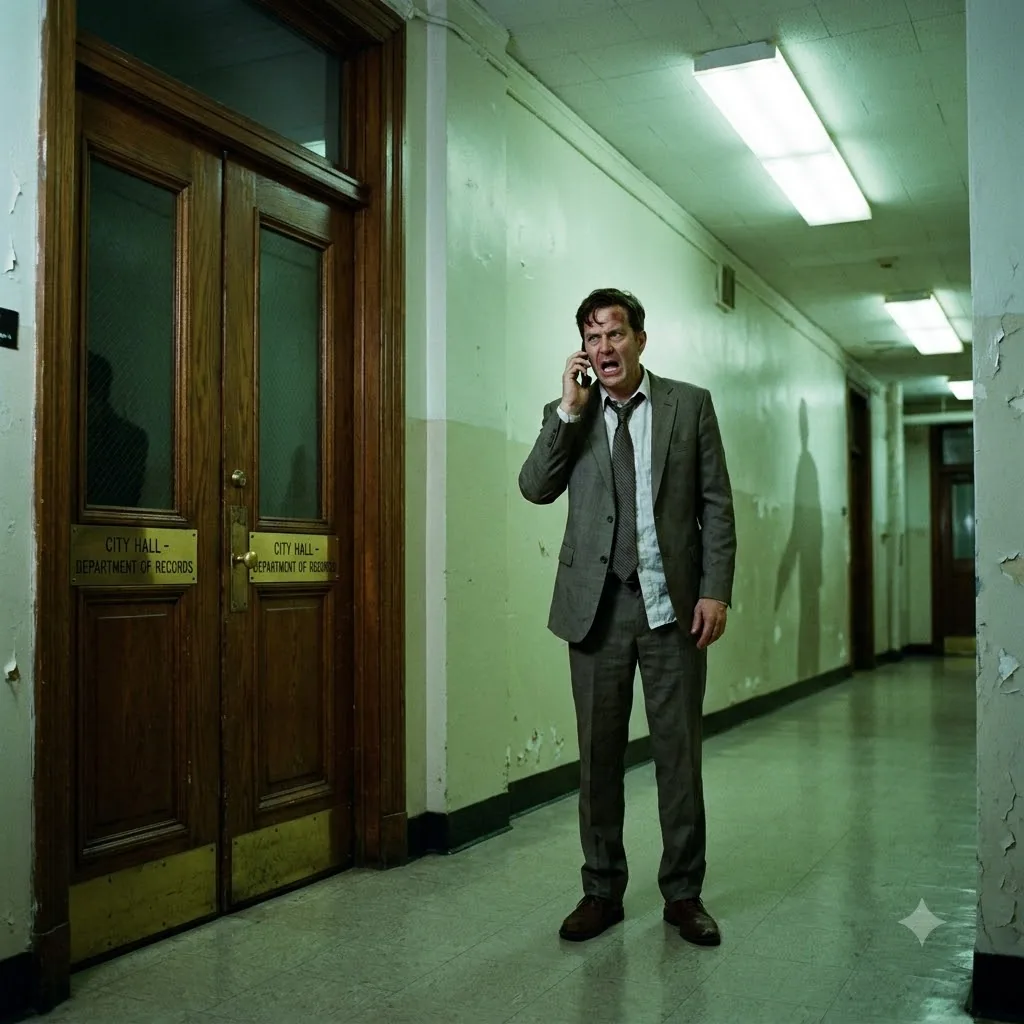
The clamor of the city council chambers faded into a harsh, ringing silence the moment Leo pulled the heavy wooden door shut behind him. His phone had been vibrating aggressively against his thigh for ten straight minutes, a relentless buzzing that had entirely distracted him from the budget committee’s endless drone about municipal zoning laws. Under the flickering fluorescent lights of the empty corridor, he unlocked his screen to find forty-two new messages in the youth crisis center staff group chat. They all consisted of the exact same link to a shared audio file, accompanied by frantic, capitalized warnings from his assistant director.
Leo leaned his back against the cool, painted cinderblock wall. He ignored the familiar, tight ache radiating from the thick layers of scar tissue along his left shoulder and tapped the screen to press play.
A woman’s crisp, professional voice filled the quiet hallway from the tiny phone speaker. She introduced herself as Sarah, host of an independent investigative podcast that had recently dominated local social media algorithms. She spoke with a measured, empathetic tone that made her sound dangerously trustworthy. Then she introduced her guest, a man speaking with the rushed, breathless cadence of a dedicated conspiracy theorist who had spent months compiling a digital manifesto.
The guest stated plainly that the deadly fire at the old community hall three years ago was a staged event to cover up municipal negligence.
Leo stopped breathing. He stood absolutely still as the man claimed the survivors were paid actors. The guest stated that Leo’s highly publicized rescue effort, pulling three teenagers from the blazing structure, was a complete fabrication designed to siphon charitable funding. Instead of challenging the absurd claim, Sarah chimed in to validate the theory. She calmly read off a list of supposed discrepancies in the official fire department dispatch logs, highlighting a missing two-minute window. She then pointed out that Leo conveniently wore long sleeves during his televised interviews, suggesting his burns were nothing more than theatrical makeup applied to manipulate the public’s sympathy.
The audio clip ended with Sarah promising her listeners a full three-part investigative series to uncover the true financial motives behind the youth crisis center.
Leo stared down at the scuffed linoleum floor. The damaged skin on his arm tightened in a sudden phantom throb, violently reminding him of the intense heat and the crushing weight of the collapsing roof beams. He gripped the phone until his knuckles turned stark white against the dark plastic case. The podcast app showed the clip had already amassed tens of thousands of listens in just four hours. It was currently trending across every local community board and neighborhood watch group.
The timing was catastrophic. The city council members sitting just on the other side of the heavy wooden door were notoriously risk-averse, easily spooked by any hint of negative publicity. They were scheduled to vote on the annual operational grant for Leo’s youth center in less than an hour. That grant was the only thing keeping the doors open. If even one of those council members or their aides saw the viral clip on their feed during the upcoming recess, they would pull the funding without a second thought to avoid the controversy. The center would be completely bankrupt by the end of the month, leaving dozens of vulnerable teenagers back on the street just as winter set in.
Leo knew he could not wait for a prolonged public relations battle. He needed to sever the problem at its root before the council session resumed. He opened his mobile browser and navigated to the podcast’s official website. The contact page offered nothing but a generic press email address and a downtown post office box. That was far too slow. He needed to speak to Sarah directly, immediately, to force her to pull the audio down and issue a retraction.
He accessed the state’s corporate registry database on his phone. He typed in the exact name of the limited liability company listed in the tiny copyright text at the bottom of the podcast website. The screen loaded slowly on the building’s weak cellular connection, eventually displaying the public filing documents. He zoomed in on the registered agent form, scanning the dense legal print until he found a personal cellular number listed under the primary contact details for the owner.
The council chamber door creaked open down the hall. A security guard peeked out, holding a clipboard and signaling that the current speaker was wrapping up and Leo was next on the docket to defend his grant application.
Leo held up a single index finger to ask for one more minute. The guard nodded tightly and let the heavy door swing shut again, plunging the hallway back into that oppressive, fluorescent silence. Leo copied the ten-digit number from the registry document and pasted it into his phone’s dialer. He pressed the green call button and lifted the device to his ear, listening to the digital dialing tone echo in the empty corridor.
The line clicked open with a sharp intake of breath on the other end.
The clamor of the city council chambers faded into a harsh, ringing silence the moment Leo pulled the heavy wooden door shut behind him. His phone had been vibrating aggressively against his thigh for ten straight minutes, a relentless buzzing that had entirely distracted him from the budget committee’s endless drone about municipal zoning laws. Under the flickering fluorescent lights of the empty corridor, he unlocked his screen to find forty-two new messages in the youth crisis center staff group chat. They all consisted of the exact same link to a shared audio file, accompanied by frantic, capitalized warnings from his assistant director.
Leo leaned his back against the cool, painted cinderblock wall. He ignored the familiar, tight ache radiating from the thick layers of scar tissue along his left shoulder and tapped the screen to press play.
A woman’s crisp, professional voice filled the quiet hallway from the tiny phone speaker. She introduced herself as Sarah, host of an independent investigative podcast that had recently dominated local social media algorithms. She spoke with a measured, empathetic tone that made her sound dangerously trustworthy. Then she introduced her guest, a man speaking with the rushed, breathless cadence of a dedicated conspiracy theorist who had spent months compiling a digital manifesto.
The guest stated plainly that the deadly fire at the old community hall three years ago was a staged event to cover up municipal negligence.
Leo stopped breathing. He stood absolutely still as the man claimed the survivors were paid actors. The guest stated that Leo’s highly publicized rescue effort, pulling three teenagers from the blazing structure, was a complete fabrication designed to siphon charitable funding. Instead of challenging the absurd claim, Sarah chimed in to validate the theory. She calmly read off a list of supposed discrepancies in the official fire department dispatch logs, highlighting a missing two-minute window. She then pointed out that Leo conveniently wore long sleeves during his televised interviews, suggesting his burns were nothing more than theatrical makeup applied to manipulate the public’s sympathy.
The audio clip ended with Sarah promising her listeners a full three-part investigative series to uncover the true financial motives behind the youth crisis center.
Leo stared down at the scuffed linoleum floor. The damaged skin on his arm tightened in a sudden phantom throb, violently reminding him of the intense heat and the crushing weight of the collapsing roof beams. He gripped the phone until his knuckles turned stark white against the dark plastic case. The podcast app showed the clip had already amassed tens of thousands of listens in just four hours. It was currently trending across every local community board and neighborhood watch group.
The timing was catastrophic. The city council members sitting just on the other side of the heavy wooden door were notoriously risk-averse, easily spooked by any hint of negative publicity. They were scheduled to vote on the annual operational grant for Leo’s youth center in less than an hour. That grant was the only thing keeping the doors open. If even one of those council members or their aides saw the viral clip on their feed during the upcoming recess, they would pull the funding without a second thought to avoid the controversy. The center would be completely bankrupt by the end of the month, leaving dozens of vulnerable teenagers back on the street just as winter set in.
Leo knew he could not wait for a prolonged public relations battle. He needed to sever the problem at its root before the council session resumed. He opened his mobile browser and navigated to the podcast’s official website. The contact page offered nothing but a generic press email address and a downtown post office box. That was far too slow. He needed to speak to Sarah directly, immediately, to force her to pull the audio down and issue a retraction.
He accessed the state’s corporate registry database on his phone. He typed in the exact name of the limited liability company listed in the tiny copyright text at the bottom of the podcast website. The screen loaded slowly on the building’s weak cellular connection, eventually displaying the public filing documents. He zoomed in on the registered agent form, scanning the dense legal print until he found a personal cellular number listed under the primary contact details for the owner.
The council chamber door creaked open down the hall. A security guard peeked out, holding a clipboard and signaling that the current speaker was wrapping up and Leo was next on the docket to defend his grant application.
Leo held up a single index finger to ask for one more minute. The guard nodded tightly and let the heavy door swing shut again, plunging the hallway back into that oppressive, fluorescent silence. Leo copied the ten-digit number from the registry document and pasted it into his phone’s dialer. He pressed the green call button and lifted the device to his ear, listening to the digital dialing tone echo in the empty corridor.
The line clicked open with a sharp intake of breath on the other end.