Story code: ST-000395
Part 1: The Carpool Lane
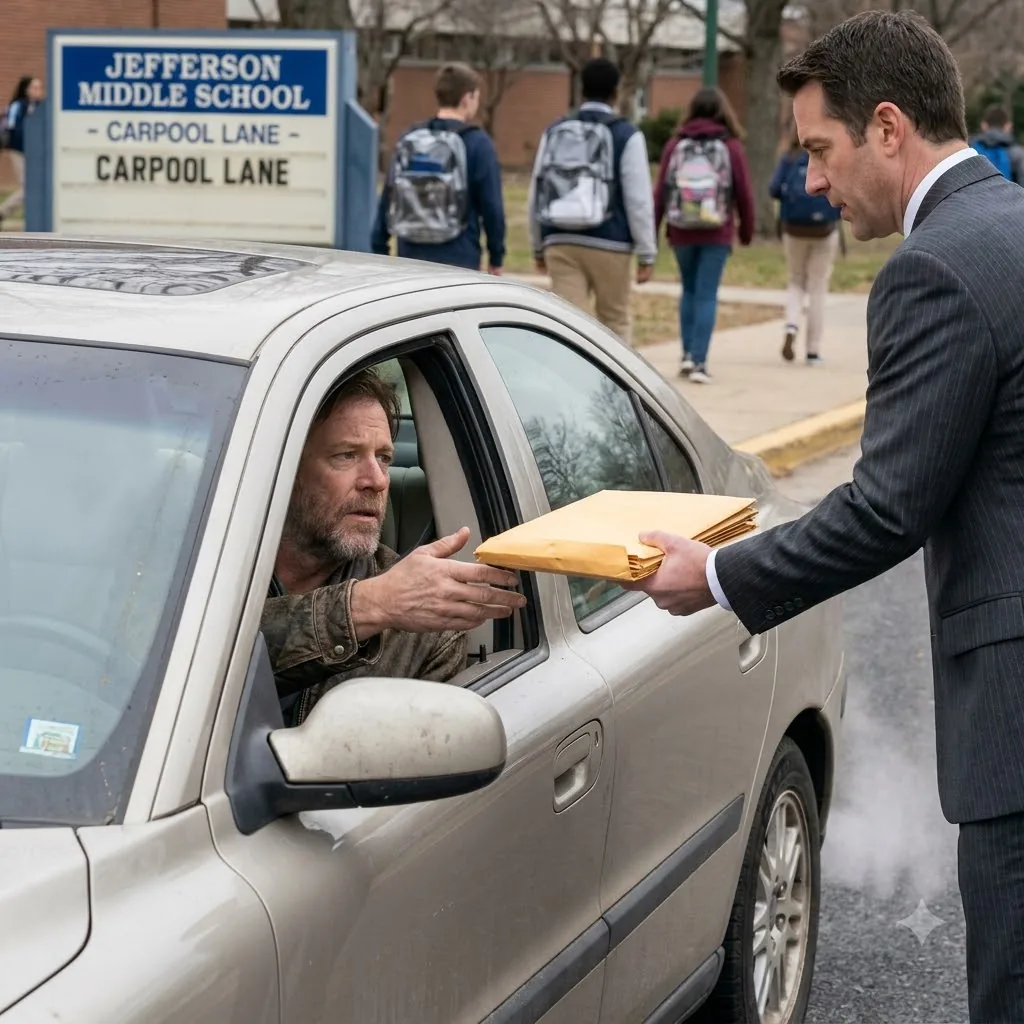
The heavy steel doors of Westview Middle School unlatched with a loud, metallic clank, releasing a flood of nervous energy and the squeak of thick plastic. I sat idling in the carpool lane, staring at the bright green ‘All Clear’ banner glowing on the school’s mandatory safety app on my phone. The Code Red active shooter drill was officially over. A hundred kids spilled onto the front lawn, their shoulders hunched under the weight of required clear backpacks. You could see every private detail of their adolescent lives suspended in those transparent bags-crumpled algebra worksheets, neon pink highlighters, half-eaten granola bars, and wadded tissues. It was a jarringly sterile reality, watching twelve-year-olds adjust to a world where their entire existence had to be visible, tracked, and cataloged just to walk down a hallway.
I pressed my thumb against the phone screen, closing the safety app. The software was supposed to bring peace of mind, a digital tether to our children in a terrifying world. I rolled down my car window to let in the crisp autumn air, gripping the steering wheel until the leather creaked. I scanned the sea of bobbing heads, desperate to find my daughter. The drill was supposedly a standard procedure, a routine exercise to test the locking mechanisms and the alert systems. Yet the tight, drawn lines around the mouths of the other parents waiting in the pickup line betrayed the truth. We were all holding our breath.
I finally spotted her walking down the main concrete steps. She was adjusting the heavy straps of her clear plastic bag, her face pale, looking incredibly small against the imposing brick facade of the building. I shifted my car into park and reached for the door handle to get out and wave her over.
That was when a dark shadow fell across my driver-side window, blocking the afternoon sun. I turned, assuming it was a teacher or another parent needing to squeeze past my bumper.
The man standing next to my car did not belong anywhere near a middle school pickup line. He wore a crisp, tailored charcoal suit that looked expensive enough to cover a teacher’s annual salary. His tie was perfectly knotted, and a heavy silver watch gleamed on his wrist as he rested one hand casually on the roof of my sedan. He leaned down, bringing his face to eye-level with mine. He tapped the glass twice with a manicured fingernail, gesturing for me to give him my full attention.
I lowered the window the rest of the way, keeping my peripheral vision fixed on my daughter as she navigated the crowded sidewalk. I told the man he was blocking the lane and that he needed to move.
He did not step back. He did not apologize. Instead, he reached inside his tailored jacket and retrieved a thick, rigid envelope. He thrust his arm through the open window and dropped the package directly onto my lap. It landed with a heavy, authoritative thud against my thigh.
I looked down at the bold black lettering stamped across the front of the envelope. A deep sense of unease settled in my stomach. I tore the flap open, pulling out a thick stack of densely printed legal paper. The first page was a civil summons. My eyes scanned the boilerplate text until they locked onto a specific figure printed halfway down the page.
Forty million dollars.
It was a lawsuit demanding financial damages so catastrophic my brain refused to process the string of zeros. The number was absurd, a life-ending sum meant to crush someone into dust. I gripped the heavy paper, feeling the blood drain from my face as my pulse hammered a frantic rhythm in my ears. I told him he had made a massive mistake and that he had the wrong person.
The man in the charcoal suit smiled, a thin, entirely rehearsed expression that barely moved the muscles in his cheeks. He leaned even closer to my window, his expensive cologne filling the stale air inside my car.
He told me his firm never made mistakes.
I ordered him to step away from my vehicle immediately. I moved my hand toward the gear shift, ready to throw the car into drive and pull forward.
The man ignored my demand. He looked past my shoulder, his eyes tracking my daughter as she approached the passenger side of my car. Her clear backpack bumped against her hip. She looked exhausted.
The corporate lawyer rested his forearms on my window sill. He said it was a highly stressful afternoon for everyone. He mentioned he knew these mandatory lockdowns were particularly hard on the smaller children.
Then he adjusted his silver watch, looked me dead in the eye, and said her heart rate had spiked to exactly one hundred and forty beats per minute just three minutes ago.
The heavy steel doors of Westview Middle School unlatched with a loud, metallic clank, releasing a flood of nervous energy and the squeak of thick plastic. I sat idling in the carpool lane, staring at the bright green ‘All Clear’ banner glowing on the school’s mandatory safety app on my phone. The Code Red active shooter drill was officially over. A hundred kids spilled onto the front lawn, their shoulders hunched under the weight of required clear backpacks. You could see every private detail of their adolescent lives suspended in those transparent bags-crumpled algebra worksheets, neon pink highlighters, half-eaten granola bars, and wadded tissues. It was a jarringly sterile reality, watching twelve-year-olds adjust to a world where their entire existence had to be visible, tracked, and cataloged just to walk down a hallway.
I pressed my thumb against the phone screen, closing the safety app. The software was supposed to bring peace of mind, a digital tether to our children in a terrifying world. I rolled down my car window to let in the crisp autumn air, gripping the steering wheel until the leather creaked. I scanned the sea of bobbing heads, desperate to find my daughter. The drill was supposedly a standard procedure, a routine exercise to test the locking mechanisms and the alert systems. Yet the tight, drawn lines around the mouths of the other parents waiting in the pickup line betrayed the truth. We were all holding our breath.
I finally spotted her walking down the main concrete steps. She was adjusting the heavy straps of her clear plastic bag, her face pale, looking incredibly small against the imposing brick facade of the building. I shifted my car into park and reached for the door handle to get out and wave her over.
That was when a dark shadow fell across my driver-side window, blocking the afternoon sun. I turned, assuming it was a teacher or another parent needing to squeeze past my bumper.
The man standing next to my car did not belong anywhere near a middle school pickup line. He wore a crisp, tailored charcoal suit that looked expensive enough to cover a teacher’s annual salary. His tie was perfectly knotted, and a heavy silver watch gleamed on his wrist as he rested one hand casually on the roof of my sedan. He leaned down, bringing his face to eye-level with mine. He tapped the glass twice with a manicured fingernail, gesturing for me to give him my full attention.
I lowered the window the rest of the way, keeping my peripheral vision fixed on my daughter as she navigated the crowded sidewalk. I told the man he was blocking the lane and that he needed to move.
He did not step back. He did not apologize. Instead, he reached inside his tailored jacket and retrieved a thick, rigid envelope. He thrust his arm through the open window and dropped the package directly onto my lap. It landed with a heavy, authoritative thud against my thigh.
I looked down at the bold black lettering stamped across the front of the envelope. A deep sense of unease settled in my stomach. I tore the flap open, pulling out a thick stack of densely printed legal paper. The first page was a civil summons. My eyes scanned the boilerplate text until they locked onto a specific figure printed halfway down the page.
Forty million dollars.
It was a lawsuit demanding financial damages so catastrophic my brain refused to process the string of zeros. The number was absurd, a life-ending sum meant to crush someone into dust. I gripped the heavy paper, feeling the blood drain from my face as my pulse hammered a frantic rhythm in my ears. I told him he had made a massive mistake and that he had the wrong person.
The man in the charcoal suit smiled, a thin, entirely rehearsed expression that barely moved the muscles in his cheeks. He leaned even closer to my window, his expensive cologne filling the stale air inside my car.
He told me his firm never made mistakes.
I ordered him to step away from my vehicle immediately. I moved my hand toward the gear shift, ready to throw the car into drive and pull forward.
The man ignored my demand. He looked past my shoulder, his eyes tracking my daughter as she approached the passenger side of my car. Her clear backpack bumped against her hip. She looked exhausted.
The corporate lawyer rested his forearms on my window sill. He said it was a highly stressful afternoon for everyone. He mentioned he knew these mandatory lockdowns were particularly hard on the smaller children.
Then he adjusted his silver watch, looked me dead in the eye, and said her heart rate had spiked to exactly one hundred and forty beats per minute just three minutes ago.