Story code: ST-001717
Part 1: Culture Fit
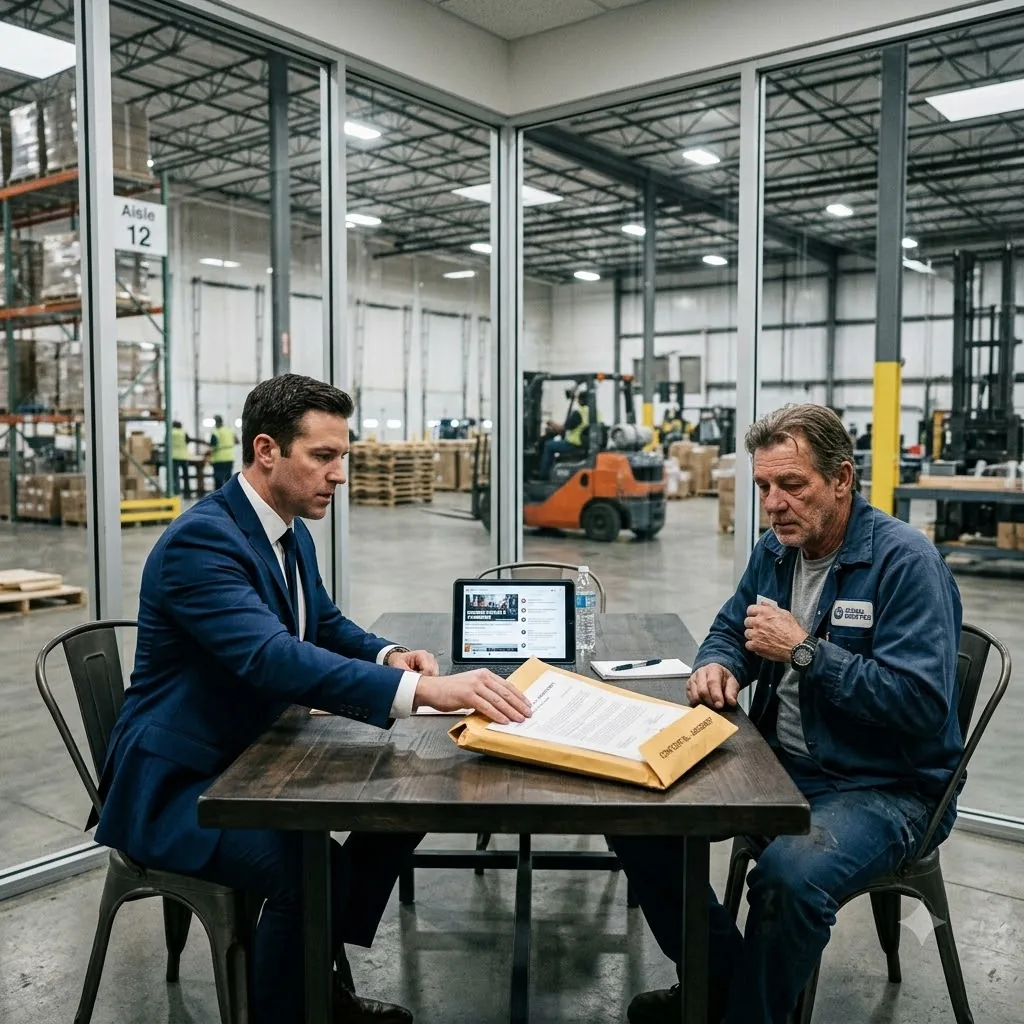
Julian sat perfectly centered behind the frosted glass desk, his hands steepled in a gesture of profound corporate disappointment. Hector watched the new regional manager adjust his wire-rimmed glasses and slide a heavy manila envelope across the polished composite wood surface. The warehouse floor hummed with the steady grind of heavy machinery just beyond the soundproofed walls, but inside the glass office, the air felt clinically dead.
“We are pivoting our organizational posture, Hector,” Julian said, his voice modulated to the exact pitch of an HR training seminar. “And part of that transition involves standardizing our associate behavior.”
Hector nodded, keeping his face entirely blank. He rested his calloused hands on his knees, deliberately hiding the grease worked deep into his knuckles. He had survived three decades in this particular line of work by learning to blend in, by becoming the quiet, reliable logistics supervisor who never missed a shipment. He expected Julian to hand over a standard termination form, maybe a formal write-up for a misplaced pallet or a late clock-in.
Julian tapped a manicured fingernail against the thick envelope. It was far too heavy to hold just a single pink slip. “We have a severe culture fit issue on the floor. I need to know that our management team is fully committed to our core values.”
“I handle my crew,” Hector said, keeping his tone measured and even.
“You handle the operations,” Julian corrected, flashing a tight, perfectly symmetrical smile. “But Human Resources is increasingly concerned with brand alignment. We have strict guidelines regarding social media on company time.”
Julian reached for his silver iPad, tapped the screen twice, and rotated it so Hector could see. A video played on a continuous loop, the volume muted. Hector leaned forward, squinting at the glaring high-definition screen.
It was Toby, the nineteen-year-old forklift driver they had hired three weeks ago. The kid was standing out on the rear loading dock, wearing his high-visibility vest unzipped over a designer hoodie. Toby was performing an aggressive, jerky dance, pantomiming the firing of a weapon while lip-syncing to a drill rap track. The kid looked completely ridiculous, completely clueless, just another teenager chasing a few seconds of internet fame.
Hector felt a sudden, cold weight settle in the pit of his stomach. It was not Toby’s dancing that froze the blood in his veins. It was the background.
Behind the dancing teenager, the camera perfectly framed bay number four. Two pallets of industrial solvent were stacked next to a row of unmarked, heavily reinforced steel crates. The crates that arrived only at midnight. The crates Hector personally unloaded and moved to the secure subterranean lockup before the morning shift arrived. The camera had captured the specific, stenciled routing codes stamped on the side of the metal, the very codes the parent company spent millions of dollars to keep out of any digital database.
“This particular piece of content,” Julian said softly, pausing the video right on the routing codes, “currently has four hundred and twelve thousand views. It was brought to the attention of our corporate stakeholders this morning.”
Hector stared at the frozen image. The kid had no idea what was inside those crates. Toby barely knew how to operate the pallet jack without tipping it over. He was just a dumb teenager trying to look hard for his followers, completely unaware he had just broadcast a highly classified logistical hub to half the world.
“A gross violation of our social media policy,” Julian continued, folding his hands back together. “Our parent company requires absolute discretion in its supply chain. Viral engagement is not aligned with our operational security.”
Hector finally looked down at the envelope. He understood the density of it now. It was not paperwork. It was a severance package. Not the kind handled by payroll, but the kind handled with a disposable firearm and a shallow hole in the desert.
“Toby is a good worker,” Hector lied, forcing his vocal cords to remain loose. “I can terminate his contract today. Take his badge, walk him off the property. Make sure he deletes the application from his phone.”
Julian sighed, an exaggerated sound of corporate fatigue. “We are moving past corrective action, Hector. The stakeholders feel a simple termination leaves us exposed to further liability. The associate knows the exact location of this facility. He has a demonstrated lack of impulse control. We need a permanent resolution to this culture fit issue.”
Julian pushed the envelope one inch closer to the edge of the desk.
“Corporate values your long tenure with us,” Julian said, his eyes entirely devoid of human warmth. “They remember your previous skill set. Before you transitioned into management. They want you to handle the offboarding process personally. Tonight.”
Hector stared at the thick paper, listening to the muffled rumble of Toby’s forklift passing by the exterior of the glass office. He had spent ten years trying to wash the blood off his hands, building a quiet, boring life surrounded by spreadsheets and shipping manifests. Now, the new corporate structure was dragging him right back into the dirt, all over a stupid internet video.
Julian unclasped his hands and stood up, casually smoothing the front of his tailored blazer. “The package contains the associate’s home address, his schedule, and your performance bonus. I trust you will have this restructuring finalized before the morning shift.”
Julian turned and pulled the glass door open, letting in a deafening blast of warehouse machinery before snapping it shut behind him. Hector sat perfectly still in the sterile silence, listening to the faint reverse-beeper of Toby’s machine, his thumb resting heavily on the unsealed flap of the envelope.
Julian sat perfectly centered behind the frosted glass desk, his hands steepled in a gesture of profound corporate disappointment. Hector watched the new regional manager adjust his wire-rimmed glasses and slide a heavy manila envelope across the polished composite wood surface. The warehouse floor hummed with the steady grind of heavy machinery just beyond the soundproofed walls, but inside the glass office, the air felt clinically dead.
“We are pivoting our organizational posture, Hector,” Julian said, his voice modulated to the exact pitch of an HR training seminar. “And part of that transition involves standardizing our associate behavior.”
Hector nodded, keeping his face entirely blank. He rested his calloused hands on his knees, deliberately hiding the grease worked deep into his knuckles. He had survived three decades in this particular line of work by learning to blend in, by becoming the quiet, reliable logistics supervisor who never missed a shipment. He expected Julian to hand over a standard termination form, maybe a formal write-up for a misplaced pallet or a late clock-in.
Julian tapped a manicured fingernail against the thick envelope. It was far too heavy to hold just a single pink slip. “We have a severe culture fit issue on the floor. I need to know that our management team is fully committed to our core values.”
“I handle my crew,” Hector said, keeping his tone measured and even.
“You handle the operations,” Julian corrected, flashing a tight, perfectly symmetrical smile. “But Human Resources is increasingly concerned with brand alignment. We have strict guidelines regarding social media on company time.”
Julian reached for his silver iPad, tapped the screen twice, and rotated it so Hector could see. A video played on a continuous loop, the volume muted. Hector leaned forward, squinting at the glaring high-definition screen.
It was Toby, the nineteen-year-old forklift driver they had hired three weeks ago. The kid was standing out on the rear loading dock, wearing his high-visibility vest unzipped over a designer hoodie. Toby was performing an aggressive, jerky dance, pantomiming the firing of a weapon while lip-syncing to a drill rap track. The kid looked completely ridiculous, completely clueless, just another teenager chasing a few seconds of internet fame.
Hector felt a sudden, cold weight settle in the pit of his stomach. It was not Toby’s dancing that froze the blood in his veins. It was the background.
Behind the dancing teenager, the camera perfectly framed bay number four. Two pallets of industrial solvent were stacked next to a row of unmarked, heavily reinforced steel crates. The crates that arrived only at midnight. The crates Hector personally unloaded and moved to the secure subterranean lockup before the morning shift arrived. The camera had captured the specific, stenciled routing codes stamped on the side of the metal, the very codes the parent company spent millions of dollars to keep out of any digital database.
“This particular piece of content,” Julian said softly, pausing the video right on the routing codes, “currently has four hundred and twelve thousand views. It was brought to the attention of our corporate stakeholders this morning.”
Hector stared at the frozen image. The kid had no idea what was inside those crates. Toby barely knew how to operate the pallet jack without tipping it over. He was just a dumb teenager trying to look hard for his followers, completely unaware he had just broadcast a highly classified logistical hub to half the world.
“A gross violation of our social media policy,” Julian continued, folding his hands back together. “Our parent company requires absolute discretion in its supply chain. Viral engagement is not aligned with our operational security.”
Hector finally looked down at the envelope. He understood the density of it now. It was not paperwork. It was a severance package. Not the kind handled by payroll, but the kind handled with a disposable firearm and a shallow hole in the desert.
“Toby is a good worker,” Hector lied, forcing his vocal cords to remain loose. “I can terminate his contract today. Take his badge, walk him off the property. Make sure he deletes the application from his phone.”
Julian sighed, an exaggerated sound of corporate fatigue. “We are moving past corrective action, Hector. The stakeholders feel a simple termination leaves us exposed to further liability. The associate knows the exact location of this facility. He has a demonstrated lack of impulse control. We need a permanent resolution to this culture fit issue.”
Julian pushed the envelope one inch closer to the edge of the desk.
“Corporate values your long tenure with us,” Julian said, his eyes entirely devoid of human warmth. “They remember your previous skill set. Before you transitioned into management. They want you to handle the offboarding process personally. Tonight.”
Hector stared at the thick paper, listening to the muffled rumble of Toby’s forklift passing by the exterior of the glass office. He had spent ten years trying to wash the blood off his hands, building a quiet, boring life surrounded by spreadsheets and shipping manifests. Now, the new corporate structure was dragging him right back into the dirt, all over a stupid internet video.
Julian unclasped his hands and stood up, casually smoothing the front of his tailored blazer. “The package contains the associate’s home address, his schedule, and your performance bonus. I trust you will have this restructuring finalized before the morning shift.”
Julian turned and pulled the glass door open, letting in a deafening blast of warehouse machinery before snapping it shut behind him. Hector sat perfectly still in the sterile silence, listening to the faint reverse-beeper of Toby’s machine, his thumb resting heavily on the unsealed flap of the envelope.