Story code: ST-000943
Part 1: Efficiency Metrics
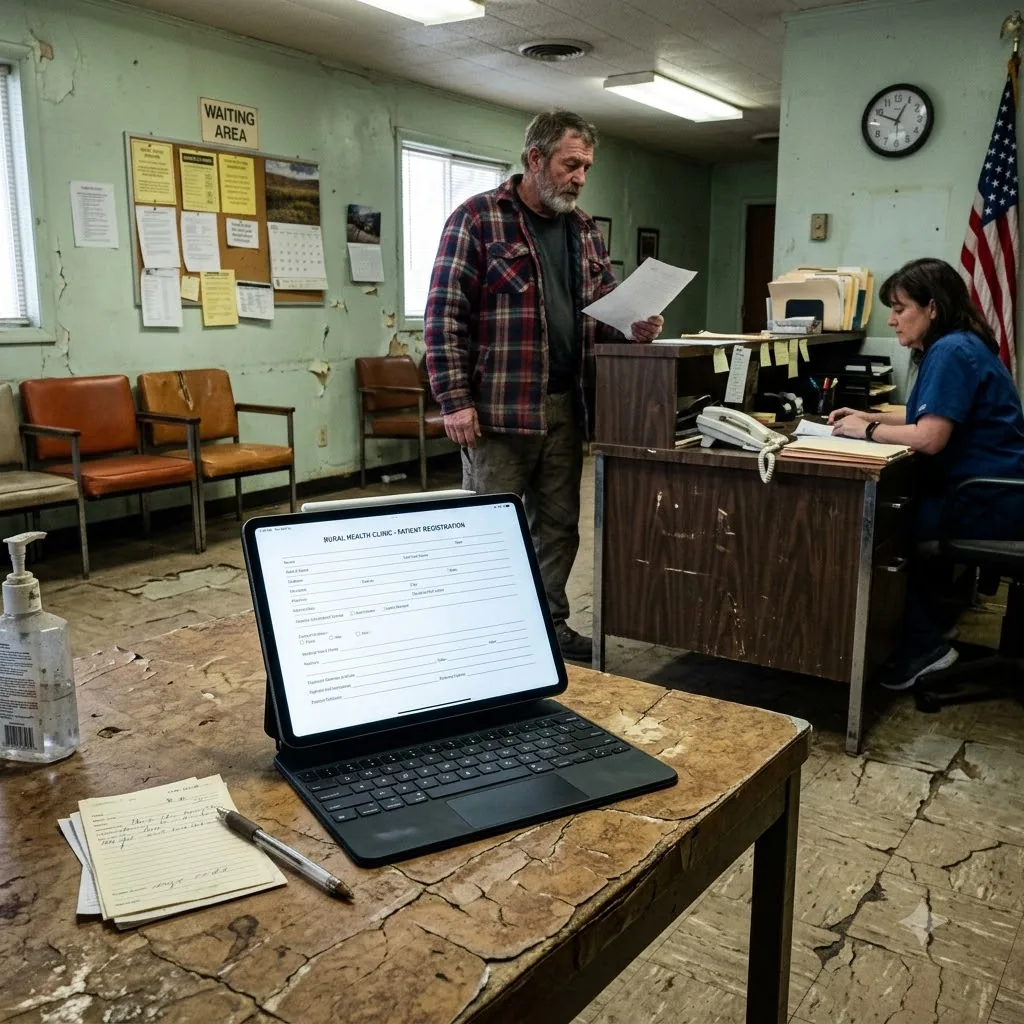
Elias adjusted his noise-canceling earbuds, keeping the ambient pass-through active just enough to monitor the transaction at the reception desk. The Scranton free clinic smelled of industrial pine cleaner and old damp wool, a stark contrast to his sterile glass-walled office in Boston. He wiped a smudge off his iPad Pro, tapping the screen to wake his field observation spreadsheet. Ten feet away, a man with graying skin leaned heavily against the laminate counter. Every inhalation the man took sounded like crumpled paper twisting inside a tin can.
The plastic nameplate on the reception desk read Diane. She was staring at her dual monitors with her mouth pressed into a thin, apologetic line. Elias knew exactly what was rendering on her screen. It was the new Aegis authorization portal, his data science team’s crown jewel.
“The system is rejecting the supplemental oxygen request, Frank,” Diane said, her voice tight with practiced administrative regret. “It says the prior authorization did not meet the revised step-therapy threshold.”
Frank did not argue. He just kept making that wet, tearing sound with his chest, his hands gripping the edge of the counter so hard his knuckles matched the pale color of his face.
Elias logged the interaction in his spreadsheet. End-user friction: minimal. Transaction time: forty-two seconds. The algorithm had identified a discrepancy in the patient’s pulmonary function test dates and automatically denied the expensive ongoing therapy. In Boston, this event was represented by a green line graph showing a six percent reduction in wasteful outbound expenditure. Here in the clinic, it was just a man turning a blotchy, bruised purple. Elias noted the efficiency. The software bypassed human review entirely, saving ninety dollars in administrative overhead per interaction. It was a perfect deployment of automated logic.
He watched Frank carefully, evaluating the physical response to the automated denial. Usually, patients raised their voices. Sometimes they slammed an open palm on the counter or demanded to speak to a clinical supervisor. Elias had categorized these reactions under the behavioral inefficiency tag and was currently developing a script module for receptionists to de-escalate without overriding the AI.
Frank did none of those things.
The man pushed himself off the counter with a trembling, blue-tinted hand. He turned his back on Diane. The waiting room held only a few other people-a mother rocking a feverish toddler and an elderly woman knitting in the corner. Frank ignored them all. He walked with a slow, agonizing shuffle toward the front entrance.
Elias prepared to log the patient’s departure time to complete the cycle metric.
Instead of pushing the glass door open to the gray afternoon outside, Frank stopped. He reached up to the heavy brass deadbolt installed above the handle. He slid the mechanism to the right with a sharp, echoing snap.
Elias paused with his stylus hovering over the tablet.
Frank dropped his hand, breathing hard, and then grabbed the dangling chain for the exterior roll-down security gate. He pulled it hand over hand. The rusted metal curtain slammed down over the outside of the glass with a sound like a car crash, plunging the waiting room into dim, flickering fluorescent light.
“Frank, you cannot lock that door,” Diane said, standing up behind the glass partition. “Open the gate right now or I am calling the police.”
Frank turned around. He leaned against the locked door and slid down the metal grate until he was sitting on the floor, blocking the only exit. His chest heaved with terrifying, shallow violence. He looked directly at Elias.
Elias felt a cold spike of adrenaline. He closed the spreadsheet on his iPad and slipped the device into his leather messenger bag. The man was actively suffocating, and he had just trapped everyone in the room with him.
The elderly woman dropped her knitting. The mother pulled her toddler closer, staring in horror at the man blocking the door.
Diane picked up her desk phone. She punched a button and waited. Her eyes widened. She slammed the receiver down and picked it up again. “The outbound line is dead.”
Elias stood up. He smoothed the front of his wool coat, trying to maintain the detached authority of an observer. He walked toward the front door, stopping a safe six feet away from the wheezing man on the floor.
“You need to unlock that deadbolt and let me out,” Elias told him, keeping his voice even and professional. “I am just a visiting analyst, and I have a train to catch.”
Frank tilted his head. His lips were the color of bruised plums. He reached into his oversized jacket pocket and pulled out a pair of heavy wire cutters, tossing them onto the linoleum floor. The red rubber handles bounced once and slid to a halt touching the toe of Elias’s expensive leather shoes.
“Phone lines in the alley are clipped,” Frank wheezed, each word costing him an agonizing amount of air. “Cell jammers in the ceiling vents.”
Elias reached into his pocket and pulled out his phone. The signal indicator showed a permanent No Service banner. He looked back at the wire cutters on the floor, then at the dying man.
“My heart gives out in about ten minutes without the tank,” Frank said, resting his head back against the metal grate. “We are going to sit here and wait for your algorithm to approve my air.”
Elias stared at the dead phone in his hand. The door was solid steel and reinforced glass, and the exterior security gate was rated for riot control. He calculated the variables. There was no manual override for the Aegis portal on the local network. The system was designed specifically to prevent on-site personnel from bypassing the denial. It was a closed loop, built to be absolute.
Frank reached into his coat one last time and pulled out a heavy, hardened steel padlock. He snapped it through the deadbolt’s locking ring, holding the only silver key suspended directly over the slotted grate of the floor drain.
Elias adjusted his noise-canceling earbuds, keeping the ambient pass-through active just enough to monitor the transaction at the reception desk. The Scranton free clinic smelled of industrial pine cleaner and old damp wool, a stark contrast to his sterile glass-walled office in Boston. He wiped a smudge off his iPad Pro, tapping the screen to wake his field observation spreadsheet. Ten feet away, a man with graying skin leaned heavily against the laminate counter. Every inhalation the man took sounded like crumpled paper twisting inside a tin can.
The plastic nameplate on the reception desk read Diane. She was staring at her dual monitors with her mouth pressed into a thin, apologetic line. Elias knew exactly what was rendering on her screen. It was the new Aegis authorization portal, his data science team’s crown jewel.
“The system is rejecting the supplemental oxygen request, Frank,” Diane said, her voice tight with practiced administrative regret. “It says the prior authorization did not meet the revised step-therapy threshold.”
Frank did not argue. He just kept making that wet, tearing sound with his chest, his hands gripping the edge of the counter so hard his knuckles matched the pale color of his face.
Elias logged the interaction in his spreadsheet. End-user friction: minimal. Transaction time: forty-two seconds. The algorithm had identified a discrepancy in the patient’s pulmonary function test dates and automatically denied the expensive ongoing therapy. In Boston, this event was represented by a green line graph showing a six percent reduction in wasteful outbound expenditure. Here in the clinic, it was just a man turning a blotchy, bruised purple. Elias noted the efficiency. The software bypassed human review entirely, saving ninety dollars in administrative overhead per interaction. It was a perfect deployment of automated logic.
He watched Frank carefully, evaluating the physical response to the automated denial. Usually, patients raised their voices. Sometimes they slammed an open palm on the counter or demanded to speak to a clinical supervisor. Elias had categorized these reactions under the behavioral inefficiency tag and was currently developing a script module for receptionists to de-escalate without overriding the AI.
Frank did none of those things.
The man pushed himself off the counter with a trembling, blue-tinted hand. He turned his back on Diane. The waiting room held only a few other people-a mother rocking a feverish toddler and an elderly woman knitting in the corner. Frank ignored them all. He walked with a slow, agonizing shuffle toward the front entrance.
Elias prepared to log the patient’s departure time to complete the cycle metric.
Instead of pushing the glass door open to the gray afternoon outside, Frank stopped. He reached up to the heavy brass deadbolt installed above the handle. He slid the mechanism to the right with a sharp, echoing snap.
Elias paused with his stylus hovering over the tablet.
Frank dropped his hand, breathing hard, and then grabbed the dangling chain for the exterior roll-down security gate. He pulled it hand over hand. The rusted metal curtain slammed down over the outside of the glass with a sound like a car crash, plunging the waiting room into dim, flickering fluorescent light.
“Frank, you cannot lock that door,” Diane said, standing up behind the glass partition. “Open the gate right now or I am calling the police.”
Frank turned around. He leaned against the locked door and slid down the metal grate until he was sitting on the floor, blocking the only exit. His chest heaved with terrifying, shallow violence. He looked directly at Elias.
Elias felt a cold spike of adrenaline. He closed the spreadsheet on his iPad and slipped the device into his leather messenger bag. The man was actively suffocating, and he had just trapped everyone in the room with him.
The elderly woman dropped her knitting. The mother pulled her toddler closer, staring in horror at the man blocking the door.
Diane picked up her desk phone. She punched a button and waited. Her eyes widened. She slammed the receiver down and picked it up again. “The outbound line is dead.”
Elias stood up. He smoothed the front of his wool coat, trying to maintain the detached authority of an observer. He walked toward the front door, stopping a safe six feet away from the wheezing man on the floor.
“You need to unlock that deadbolt and let me out,” Elias told him, keeping his voice even and professional. “I am just a visiting analyst, and I have a train to catch.”
Frank tilted his head. His lips were the color of bruised plums. He reached into his oversized jacket pocket and pulled out a pair of heavy wire cutters, tossing them onto the linoleum floor. The red rubber handles bounced once and slid to a halt touching the toe of Elias’s expensive leather shoes.
“Phone lines in the alley are clipped,” Frank wheezed, each word costing him an agonizing amount of air. “Cell jammers in the ceiling vents.”
Elias reached into his pocket and pulled out his phone. The signal indicator showed a permanent No Service banner. He looked back at the wire cutters on the floor, then at the dying man.
“My heart gives out in about ten minutes without the tank,” Frank said, resting his head back against the metal grate. “We are going to sit here and wait for your algorithm to approve my air.”
Elias stared at the dead phone in his hand. The door was solid steel and reinforced glass, and the exterior security gate was rated for riot control. He calculated the variables. There was no manual override for the Aegis portal on the local network. The system was designed specifically to prevent on-site personnel from bypassing the denial. It was a closed loop, built to be absolute.
Frank reached into his coat one last time and pulled out a heavy, hardened steel padlock. He snapped it through the deadbolt’s locking ring, holding the only silver key suspended directly over the slotted grate of the floor drain.