Story code: ST-001477
Part 1: The Third Rejection
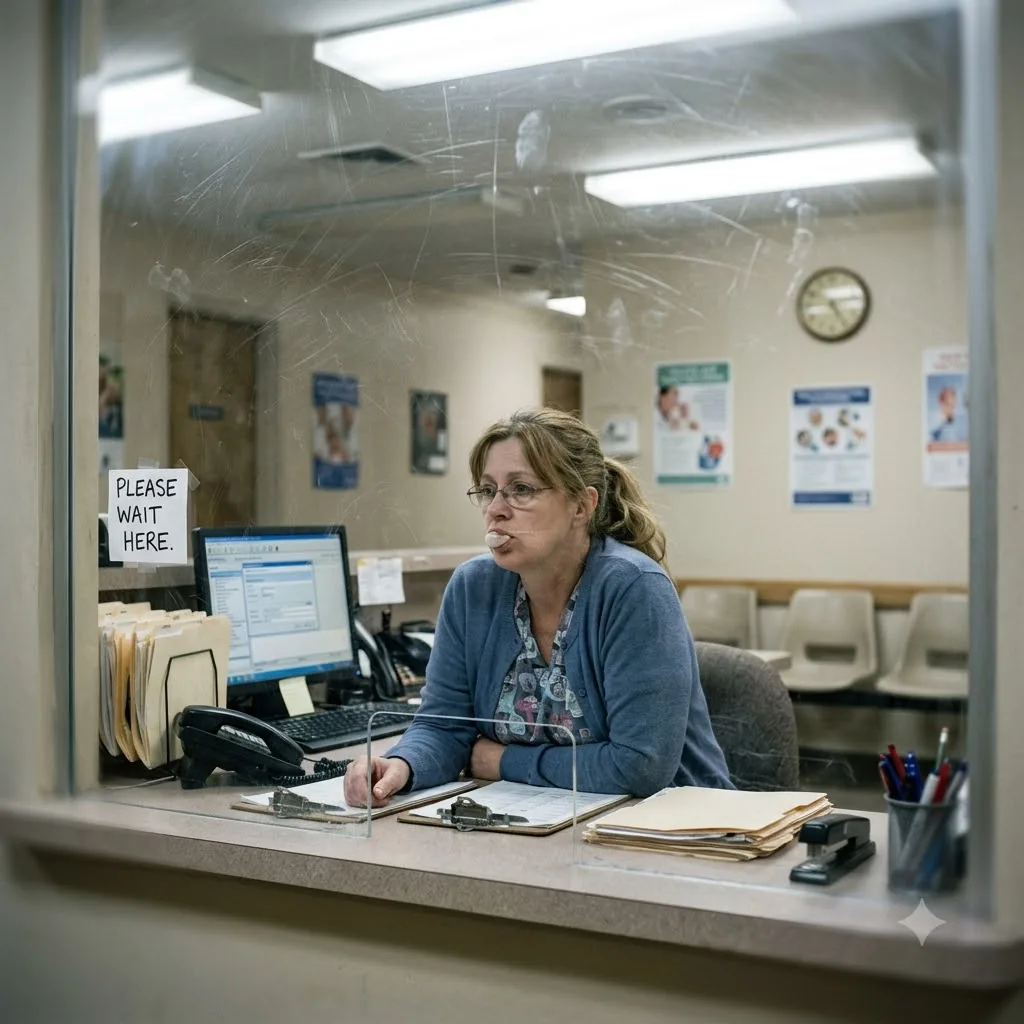
The fluorescent tubes above the VA intake desk emitted a sharp electrical whine that drilled straight through the base of Marcus’s skull. He gripped the edge of the faux-wood counter to steady a sudden wave of vertigo, sliding his crumpled neurology referral under the smudge-covered plexiglass. Brenda did not look up from her dual monitors. She popped a massive bubble of pink gum, letting it snap wetly against her lips before picking up his paperwork with two brightly manicured fingernails. The waiting room behind him sounded like an active combat zone to his overloaded senses. A man with a violent, wet cough hacked into a plastic basin, a daytime talk show blared at maximum volume from a wall-mounted television, and the relentless squeak of rubber soles on cheap linoleum echoed off the low acoustic ceilings. Every overlapping noise amplified the constant, agonizing pressure behind Marcus’s left eye, a permanent souvenir from an IED blast in Kandahar.
Brenda sighed loudly enough to cut through the din. She laid the paper flat on her desk and tapped a perfectly squared acrylic nail against the bottom right corner of the page. She slid the referral back through the semicircular gap at the bottom of the glass. She stated the date field was empty again, her tone implying Marcus was inconveniencing her personally.
Marcus stared at the blank white box. His hands shook slightly as he pulled the paper back toward his chest. This was the third time this month he had stood at this exact window. The first time, the intake department rejected the form because his primary care doctor used blue ink instead of black. The second time, a missing middle initial on page four invalidated the entire sixty-page packet. Now, it was a single date field he was absolutely certain the referring physician was supposed to complete. He pushed the paper back under the glass, keeping his voice carefully level despite the rising panic in his chest. He explained that his migraines were blinding him three days a week and he just needed the MRI scheduled so he could start his treatment plan.
Brenda adjusted her plastic headset and told him the scheduling software physically rejected incomplete forms. She typed a rapid sequence of keys with heavy, deliberate strikes to demonstrate her point. The sharp clacking of her mechanical keyboard felt like tiny metal hammers hitting Marcus’s eardrums. He rubbed his temples with his thumbs, closing his eyes against the harsh glare of the overhead lights. He told her he had been waiting four months just to get this single piece of paper from the regional office.
Brenda rolled her eyes heavily and clicked a different tab on her screen. Her monitor was angled just enough that Marcus could see the gray interface of the VA patient database reflecting in the plexiglass partition. He watched her digital cursor drag across the screen. She navigated away from his active neurology intake portal. The blue header on her screen shifted abruptly to the dependent and family registry database.
Marcus shifted his weight against the counter. He watched the reflection of the screen, trying to deduce her administrative process. He assumed she was looking to verify his home address or check his emergency contact information to update his master medical file. His wife was currently at home resting, recovering in their darkened bedroom from a brutal week. He specifically hoped Brenda was not preparing to call the house and disturb her rest over a blank box on a bureaucratic form. He opened his mouth to politely instruct the clerk not to make any outgoing calls to his primary number.
Before Marcus could speak, Brenda’s jaw stopped moving. The rhythmic chewing of her gum ceased entirely. The pink mass remained visible between her parted teeth as she leaned closer to the primary monitor. The lazy, apathetic slump of her shoulders vanished in a single instant. Her posture went completely rigid, her spine straightening against her ergonomic chair. Marcus watched her eyes dart rapidly back and forth across the dense lines of text populating his dependent file.
The stale air in the waiting room seemed to grow incredibly thick. The ambient noise of the crowded clinic faded into a dull, distant roar in Marcus’s ears. Brenda moved her right hand away from her computer mouse. She reached slowly beneath the lip of the front desk, her eyes never leaving the glowing screen.
A heavy, metallic thud echoed through the clinic lobby. The thick magnetic locks on the main glass entrance doors snapped shut simultaneously. The loud daytime television abruptly went black. A harsh, spinning red strobe light activated on the wall directly above the armed security station. Brenda snatched her desk phone off its receiver, punched a short emergency extension code, and spoke frantically into the mouthpiece while staring dead into Marcus’s eyes.
The fluorescent tubes above the VA intake desk emitted a sharp electrical whine that drilled straight through the base of Marcus’s skull. He gripped the edge of the faux-wood counter to steady a sudden wave of vertigo, sliding his crumpled neurology referral under the smudge-covered plexiglass. Brenda did not look up from her dual monitors. She popped a massive bubble of pink gum, letting it snap wetly against her lips before picking up his paperwork with two brightly manicured fingernails. The waiting room behind him sounded like an active combat zone to his overloaded senses. A man with a violent, wet cough hacked into a plastic basin, a daytime talk show blared at maximum volume from a wall-mounted television, and the relentless squeak of rubber soles on cheap linoleum echoed off the low acoustic ceilings. Every overlapping noise amplified the constant, agonizing pressure behind Marcus’s left eye, a permanent souvenir from an IED blast in Kandahar.
Brenda sighed loudly enough to cut through the din. She laid the paper flat on her desk and tapped a perfectly squared acrylic nail against the bottom right corner of the page. She slid the referral back through the semicircular gap at the bottom of the glass. She stated the date field was empty again, her tone implying Marcus was inconveniencing her personally.
Marcus stared at the blank white box. His hands shook slightly as he pulled the paper back toward his chest. This was the third time this month he had stood at this exact window. The first time, the intake department rejected the form because his primary care doctor used blue ink instead of black. The second time, a missing middle initial on page four invalidated the entire sixty-page packet. Now, it was a single date field he was absolutely certain the referring physician was supposed to complete. He pushed the paper back under the glass, keeping his voice carefully level despite the rising panic in his chest. He explained that his migraines were blinding him three days a week and he just needed the MRI scheduled so he could start his treatment plan.
Brenda adjusted her plastic headset and told him the scheduling software physically rejected incomplete forms. She typed a rapid sequence of keys with heavy, deliberate strikes to demonstrate her point. The sharp clacking of her mechanical keyboard felt like tiny metal hammers hitting Marcus’s eardrums. He rubbed his temples with his thumbs, closing his eyes against the harsh glare of the overhead lights. He told her he had been waiting four months just to get this single piece of paper from the regional office.
Brenda rolled her eyes heavily and clicked a different tab on her screen. Her monitor was angled just enough that Marcus could see the gray interface of the VA patient database reflecting in the plexiglass partition. He watched her digital cursor drag across the screen. She navigated away from his active neurology intake portal. The blue header on her screen shifted abruptly to the dependent and family registry database.
Marcus shifted his weight against the counter. He watched the reflection of the screen, trying to deduce her administrative process. He assumed she was looking to verify his home address or check his emergency contact information to update his master medical file. His wife was currently at home resting, recovering in their darkened bedroom from a brutal week. He specifically hoped Brenda was not preparing to call the house and disturb her rest over a blank box on a bureaucratic form. He opened his mouth to politely instruct the clerk not to make any outgoing calls to his primary number.
Before Marcus could speak, Brenda’s jaw stopped moving. The rhythmic chewing of her gum ceased entirely. The pink mass remained visible between her parted teeth as she leaned closer to the primary monitor. The lazy, apathetic slump of her shoulders vanished in a single instant. Her posture went completely rigid, her spine straightening against her ergonomic chair. Marcus watched her eyes dart rapidly back and forth across the dense lines of text populating his dependent file.
The stale air in the waiting room seemed to grow incredibly thick. The ambient noise of the crowded clinic faded into a dull, distant roar in Marcus’s ears. Brenda moved her right hand away from her computer mouse. She reached slowly beneath the lip of the front desk, her eyes never leaving the glowing screen.
A heavy, metallic thud echoed through the clinic lobby. The thick magnetic locks on the main glass entrance doors snapped shut simultaneously. The loud daytime television abruptly went black. A harsh, spinning red strobe light activated on the wall directly above the armed security station. Brenda snatched her desk phone off its receiver, punched a short emergency extension code, and spoke frantically into the mouthpiece while staring dead into Marcus’s eyes.