Story code: ST-001797
Part 2: The Baseband Exploit
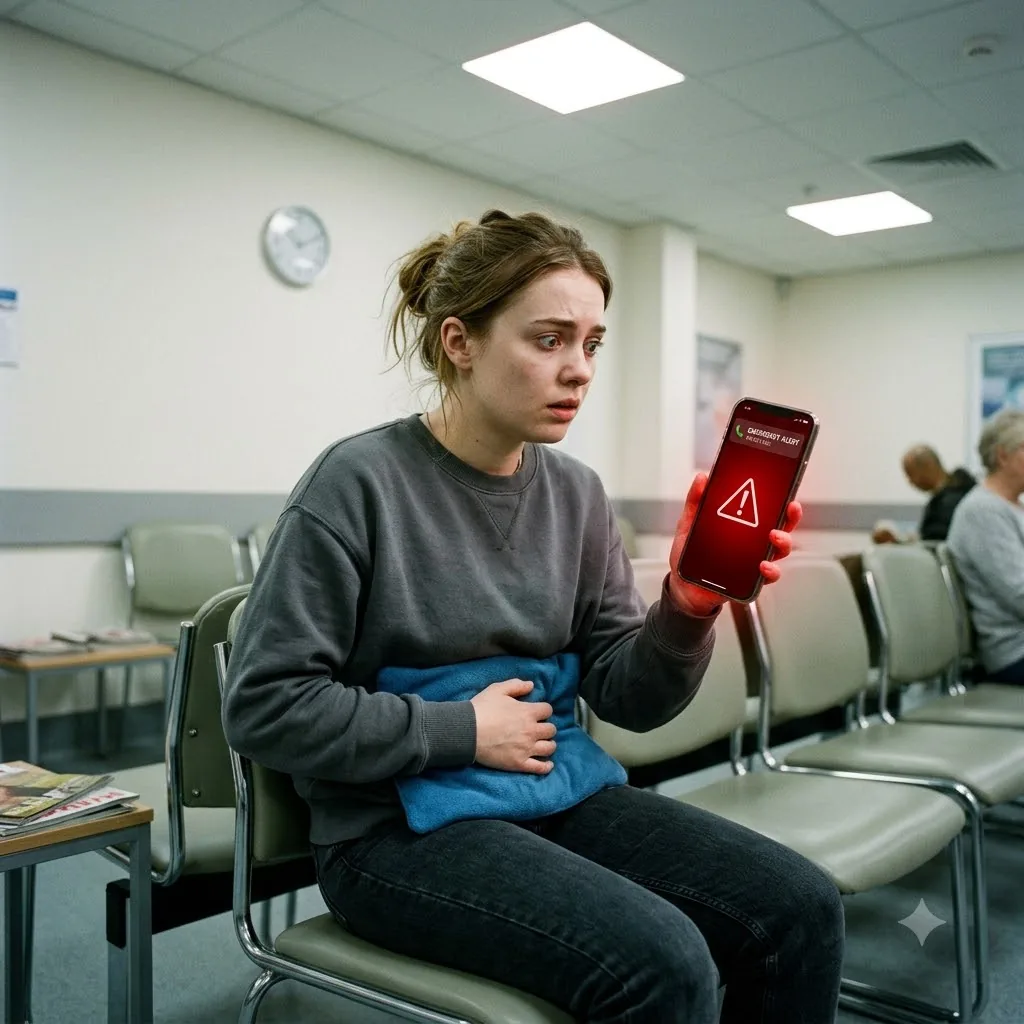
The vibration motor ground violently against Jess’s palm for five agonizing seconds before the glass screen flickered. She didn’t tap to accept the call. The touchscreen remained utterly unresponsive beneath her thumb, entirely dead to her inputs. Instead, the malicious payload executed a forced-answer protocol. The screen flipped to an active call interface, locking the speakerphone on at a low, persistent volume that cut through the quiet hum of the clinic’s HVAC system.
“Jess.”
The voice was tinny and metallic, distorted by the small speaker and the digital compression, but the cadence was unmistakable. It was the slow, deliberate drawl of Sheriff Miller, calling from a precinct desk three hundred miles away.
Jess froze, her knuckles turning white as she gripped the edges of the device. She pressed the phone tight against her heavy wool coat, desperate to muffle the sound from the receptionist behind the glass partition. She couldn’t hang up. She couldn’t mute it.
“I know you can hear me,” Miller said, the audio crackling slightly. “And I know exactly where you are. Room 4B waiting area, Westside Women’s Clinic. You’re sitting in the second plastic chair from the main corridor.”
Jess’s eyes darted wildly around the sterile, brightly lit room. The receptionist was still focused on her monitor, softly typing. A security dome hung in the ceiling corner, its black plastic eye completely impassive.
“You’re probably sitting there wondering how this happened. Wondering what’s wrong with your bulletproof app,” Miller continued, his tone conversational, entirely devoid of empathy. “You wrote good code, Jess. Really good. But you didn’t build the phone’s baseband processor. Your former employer did. When they filed the intellectual property theft report yesterday, they handed over a zero-day exploit for the hardware itself. You locked the front door, but they own the foundation. They bypassed your operating system and pinged the cellular modem directly.”
Her stomach plummeted, a cold wave of dread washing over her. The baseband firmware. She had flashed a custom, secure operating system onto the device, but the proprietary baseband-the cellular modem that communicated directly with the cell towers-was closed-source. They hadn’t cracked her encryption. They had used corporate leverage to execute a carrier-level payload, turning the physical hardware against her. That was why the physical buttons were dead. They had tracked her through the raw tower pings, waiting until she crossed state lines to trigger the lockdown.
Another severe cramp tore through her lower back, wrapping around her abdomen like a tightening iron band. She bit the inside of her cheek so hard she tasted the sharp tang of copper. She desperately needed the medical procedure she was waiting for. She had been dealing with a slow, terrifying complication for days, and the clinic was her only safe harbor. Her body was failing, tethering her to this exact location.
“Local dispatch in your current jurisdiction has been highly cooperative,” Miller said, his voice eerie against the backdrop of her agonizing pain. “They have a cruiser pulling into the clinic parking lot right now. I have a digital warrant for the prototype on your laptop, and a physical warrant for your immediate return.”
Jess turned her head toward the front of the building. Through the horizontal blinds of the waiting room window, she saw the nose of a white-and-blue police SUV creeping into a parking space directly facing the glass entrance doors. Her heart hammered a frantic, irregular rhythm against her ribs.
“Walk out the front doors, Jess,” Miller ordered, the conversational tone hardening into a command. “Don’t make them come inside. Don’t make a scene in a place like that. You walk out, hand over the laptop and the phone, and maybe we can talk to your old boss about dropping the federal espionage charges. You stay in that chair, they come in with cuffs.”
The call abruptly disconnected. The screen instantly reverted to the stark black background, but this time, it displayed a harsh white countdown timer in the center of the display.
04:59.
04:58.
Panic, cold and sharp, cut entirely through the fog of her physical pain. The “espionage charges” were a total fabrication, a weaponized lie designed to force local police in a different state to act immediately on what was actually just a corporate dispute. Her employer wanted the proprietary encryption algorithm she had built on her own time, on her own machine, and they were using the sheriff to bypass jurisdiction and steal it back.
She tried to stand, grabbing her canvas messenger bag, but a fresh spasm gripped her pelvis. She gasped, falling back into the molded plastic chair, her vision swimming with dark spots.
“Jessica?” a soft voice called out.
Jess looked up, blinking away the blurriness. A nurse in pale blue scrubs was standing at the interior door leading to the back rooms, holding a clipboard. It was the safe haven she had driven all night to reach. The medical care she desperately needed.
“We’re ready for you,” the nurse said with a warm, sympathetic smile.
04:12.
04:11.
Jess looked at the nurse, then slowly turned her head back to the front window. Two local officers were stepping out of the cruiser. One of them was unclipping a radio from his belt, his eyes fixed on the clinic’s glass entrance.
If she walked through that interior door with the nurse, the police would follow her in. They would drag her out in handcuffs mid-procedure, confiscating the laptop in her bag that contained the only copy of her decryption keys. Her life’s work and her freedom would vanish in an instant. But if she walked out the front door to surrender, she lost the code anyway, and she might physically hemorrhage in the back of a squad car without medical attention.
Her phone buzzed violently in her lap. The countdown timer shrank, sliding to the top of the screen to make room for a new incoming message. It was a video file that forced itself open, overriding her screen entirely.
It was a live, grainy, black-and-white feed. The angle was high, looking down. It took Jess a fraction of a second to recognize the top of her own head, the curve of her heavy wool coat, and the nurse standing in the doorway in front of her.
They weren’t just in her phone. Sheriff Miller had routed into the clinic’s internal security camera network.
The officers outside began walking toward the glass doors.
03:45.