Story code: ST-000695
Part 1: The Waiting Room
The vise tightened around Maya’s temples, the pressure so absolute that the stranger’s voice echoing off the tile felt like physical blows.
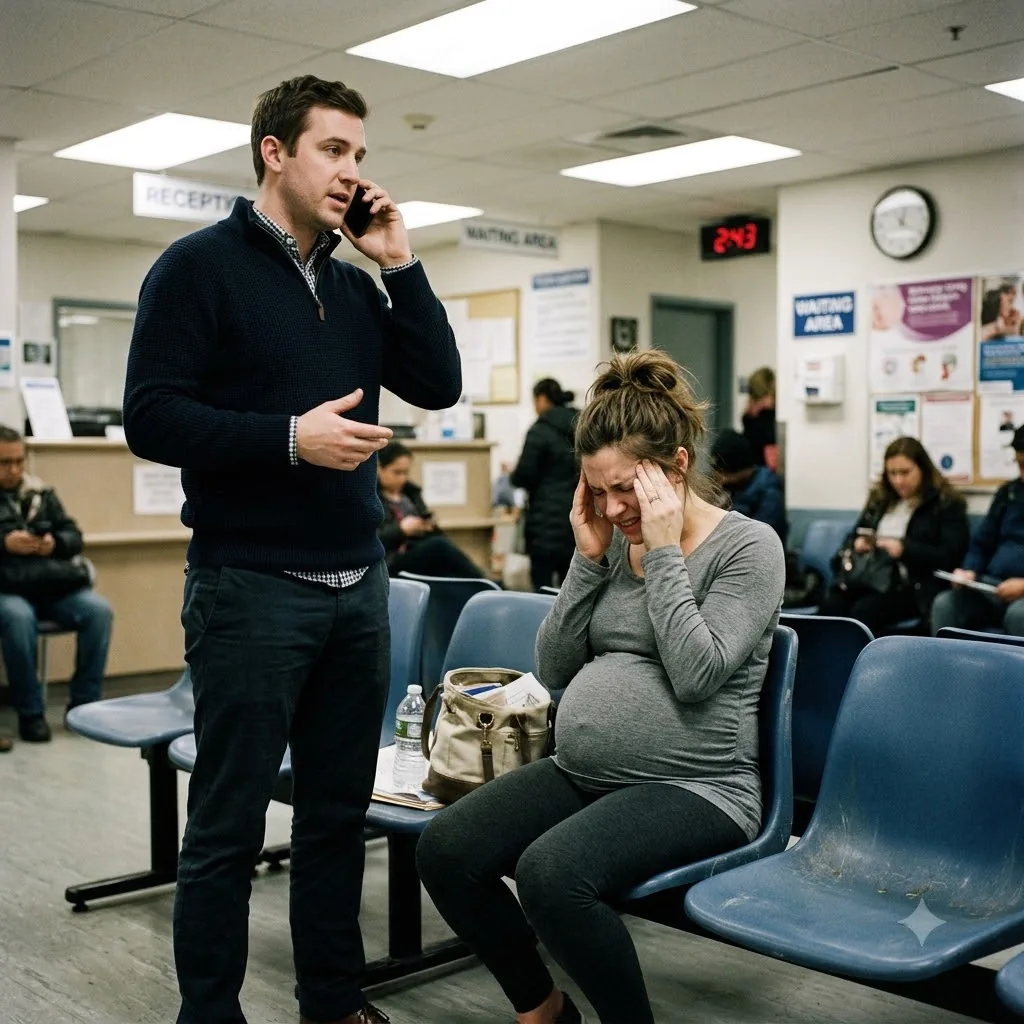
“If we do not classify the lodge as a primary rental, the tax hit is going to be astronomical,” the man barked into his phone. He paced a tight circle just a few feet away, his leather loafers squeaking with each sharp pivot. He wore a crisp navy quarter-zip sweater, completely oblivious to the woman clutching her head in the adjacent plastic chair.
Maya squeezed her eyes shut. Silver spots danced behind her eyelids, jagged and bright, refusing to fade even in the dark. She tried to rub her forehead, but her fingers felt stiff and unfamiliar. She looked down at her hands. The skin was pulled tight over her knuckles, her fingers swollen into thick, pale cylinders. She could barely bend them to massage her own temples. The throbbing in her skull matched the erratic, racing rhythm of her heart.
“No, I told the broker we are not taking a loss just because of a zoning issue in Aspen,” the man continued, aggressively pressing a hand to his free ear. “We put a custom sauna in that place. I am not giving it away to the IRS.”
The harsh fluorescent light above them flickered, sending a fresh spike of agony straight to the base of Maya’s skull. She shifted her weight on the unforgiving plastic seat, bracing a heavy, swollen hand under her immense belly. At thirty-four weeks, the baby usually moved with a rhythmic, reassuring flutter. Right now, her abdomen was rock-hard, locked in a state of rigid tension. The ache radiated around to her lower back, tight and unrelenting.
She forced her eyes open, squinting through the visual static. They were in the overflow waiting area. Beyond the pacing man, a set of frosted glass doors separated them from the main triage desk. The smell of industrial bleach and stale coffee turned her stomach. She swallowed hard against the rising nausea, willing herself to stay upright.
The triage nurse had taken her blood pressure an hour ago. Maya remembered the sudden silence in the small intake room, the way the nurse had re-pumped the cuff to check the reading a second time, the stark alarm flashing in the woman’s eyes. The nurse had told Maya to sit exactly in this chair, promising a doctor would be right out. The numbers on the monitor had been bright red. Maya did not know exactly what they meant, but she knew the panic they caused.
That was before the man in the quarter-zip showed up and commandeered the space outside the double doors.
“Look, just run the depreciation schedule again,” the man sighed loudly, rolling his eyes at the ceiling. “I am not writing a check to the government for the privilege of owning a winter retreat. Fix it.”
He shoved the phone into his pocket. Maya gripped the armrests. The edges of the room began to blur into a muddy gray. She needed to tell someone that the pain in her head had changed from a dull throb to a terrifying, blinding spike. She needed to say that the swelling in her calves was cutting off her circulation, making her legs feel like lead pillars.
She pitched her body forward, trying to gather the strength to stand. Her breath hitched. The baby gave a sudden, sharp jolt against her ribs.
The glass doors slid open. A young doctor in pale green scrubs stepped into the waiting area, clutching a digital tablet.
Maya opened her mouth to call out.
The man in the quarter-zip stepped directly in front of the doctor, blocking Maya from view.
“Dr. Evans,” the man said, his voice dropping the petulant whine and adopting a sharp, authoritative clip. “We need to talk about your floor’s metrics.”
The doctor stopped, looking exhausted. “Mr. Carter. I am in the middle of an intake rotation.”
“And your turnover rate is in the basement,” Carter said, crossing his arms. He adjusted the collar of his sweater. “I was reviewing the dashboard from my car. You have six beds occupied by patients who were cleared for discharge an hour ago.”
“They are waiting for transport, or their vitals are still stabilizing,” the doctor said, trying to step around him. “I have a critical hypertensive pregnant patient out here I need to bring back immediately.”
Carter shifted his weight, maintaining the blockade. “Transport is not a medical necessity. Put them in the hallway. We have corporate targets to meet for the regional board, and your department is dragging down the entire hospital’s average.”
Maya tried to stand again, but her legs refused to bear the weight. The gray mud at the edges of her vision was closing in, narrowing the world down to a tunnel. At the end of that tunnel, Carter stood with his back to her, casually waving a hospital badge on a lanyard.
“If they are breathing on their own, they are out of a bed,” Carter instructed, his tone brooking no argument. “The new efficiency guidelines clearly flag anyone past the ninety-minute mark as a drain on resources.”
“Sir, with all due respect, I have a woman out here with a blood pressure of one-eighty over one-ten,” the doctor insisted, craning his neck to look past the administrator.
Maya raised her hand. It felt like lifting a cinderblock. The silver spots in her vision were merging into a blinding, solid sheet of white.
Carter did not move. He tapped his shiny leather shoe on the tile. “Then she can wait another ten minutes while you clear the backlog in trauma bay three. I am not having the board fine my department because you cannot manage your discharge queue.”
The blinding white light exploded behind Maya’s eyes. A high-pitched ringing drowned out the squeak of Carter’s shoes and the hum of the fluorescent bulbs. She felt her shoulder slip against the smooth plastic of the chair, her body tilting sideways toward the cold linoleum floor.
Carter’s voice cut through the ringing, sharp and annoyed.
“Clear the beds right now, Dr. Evans, or I will find someone who can.”
The cold linoleum rushed up to meet Maya’s face.
The vise tightened around Maya’s temples, the pressure so absolute that the stranger’s voice echoing off the tile felt like physical blows.
“If we do not classify the lodge as a primary rental, the tax hit is going to be astronomical,” the man barked into his phone. He paced a tight circle just a few feet away, his leather loafers squeaking with each sharp pivot. He wore a crisp navy quarter-zip sweater, completely oblivious to the woman clutching her head in the adjacent plastic chair.
Maya squeezed her eyes shut. Silver spots danced behind her eyelids, jagged and bright, refusing to fade even in the dark. She tried to rub her forehead, but her fingers felt stiff and unfamiliar. She looked down at her hands. The skin was pulled tight over her knuckles, her fingers swollen into thick, pale cylinders. She could barely bend them to massage her own temples. The throbbing in her skull matched the erratic, racing rhythm of her heart.
“No, I told the broker we are not taking a loss just because of a zoning issue in Aspen,” the man continued, aggressively pressing a hand to his free ear. “We put a custom sauna in that place. I am not giving it away to the IRS.”
The harsh fluorescent light above them flickered, sending a fresh spike of agony straight to the base of Maya’s skull. She shifted her weight on the unforgiving plastic seat, bracing a heavy, swollen hand under her immense belly. At thirty-four weeks, the baby usually moved with a rhythmic, reassuring flutter. Right now, her abdomen was rock-hard, locked in a state of rigid tension. The ache radiated around to her lower back, tight and unrelenting.
She forced her eyes open, squinting through the visual static. They were in the overflow waiting area. Beyond the pacing man, a set of frosted glass doors separated them from the main triage desk. The smell of industrial bleach and stale coffee turned her stomach. She swallowed hard against the rising nausea, willing herself to stay upright.
The triage nurse had taken her blood pressure an hour ago. Maya remembered the sudden silence in the small intake room, the way the nurse had re-pumped the cuff to check the reading a second time, the stark alarm flashing in the woman’s eyes. The nurse had told Maya to sit exactly in this chair, promising a doctor would be right out. The numbers on the monitor had been bright red. Maya did not know exactly what they meant, but she knew the panic they caused.
That was before the man in the quarter-zip showed up and commandeered the space outside the double doors.
“Look, just run the depreciation schedule again,” the man sighed loudly, rolling his eyes at the ceiling. “I am not writing a check to the government for the privilege of owning a winter retreat. Fix it.”
He shoved the phone into his pocket. Maya gripped the armrests. The edges of the room began to blur into a muddy gray. She needed to tell someone that the pain in her head had changed from a dull throb to a terrifying, blinding spike. She needed to say that the swelling in her calves was cutting off her circulation, making her legs feel like lead pillars.
She pitched her body forward, trying to gather the strength to stand. Her breath hitched. The baby gave a sudden, sharp jolt against her ribs.
The glass doors slid open. A young doctor in pale green scrubs stepped into the waiting area, clutching a digital tablet.
Maya opened her mouth to call out.
The man in the quarter-zip stepped directly in front of the doctor, blocking Maya from view.
“Dr. Evans,” the man said, his voice dropping the petulant whine and adopting a sharp, authoritative clip. “We need to talk about your floor’s metrics.”
The doctor stopped, looking exhausted. “Mr. Carter. I am in the middle of an intake rotation.”
“And your turnover rate is in the basement,” Carter said, crossing his arms. He adjusted the collar of his sweater. “I was reviewing the dashboard from my car. You have six beds occupied by patients who were cleared for discharge an hour ago.”
“They are waiting for transport, or their vitals are still stabilizing,” the doctor said, trying to step around him. “I have a critical hypertensive pregnant patient out here I need to bring back immediately.”
Carter shifted his weight, maintaining the blockade. “Transport is not a medical necessity. Put them in the hallway. We have corporate targets to meet for the regional board, and your department is dragging down the entire hospital’s average.”
Maya tried to stand again, but her legs refused to bear the weight. The gray mud at the edges of her vision was closing in, narrowing the world down to a tunnel. At the end of that tunnel, Carter stood with his back to her, casually waving a hospital badge on a lanyard.
“If they are breathing on their own, they are out of a bed,” Carter instructed, his tone brooking no argument. “The new efficiency guidelines clearly flag anyone past the ninety-minute mark as a drain on resources.”
“Sir, with all due respect, I have a woman out here with a blood pressure of one-eighty over one-ten,” the doctor insisted, craning his neck to look past the administrator.
Maya raised her hand. It felt like lifting a cinderblock. The silver spots in her vision were merging into a blinding, solid sheet of white.
Carter did not move. He tapped his shiny leather shoe on the tile. “Then she can wait another ten minutes while you clear the backlog in trauma bay three. I am not having the board fine my department because you cannot manage your discharge queue.”
The blinding white light exploded behind Maya’s eyes. A high-pitched ringing drowned out the squeak of Carter’s shoes and the hum of the fluorescent bulbs. She felt her shoulder slip against the smooth plastic of the chair, her body tilting sideways toward the cold linoleum floor.
Carter’s voice cut through the ringing, sharp and annoyed.
“Clear the beds right now, Dr. Evans, or I will find someone who can.”
The cold linoleum rushed up to meet Maya’s face.