Story code: ST-000376
Part 1: The Token He Kept Dropping
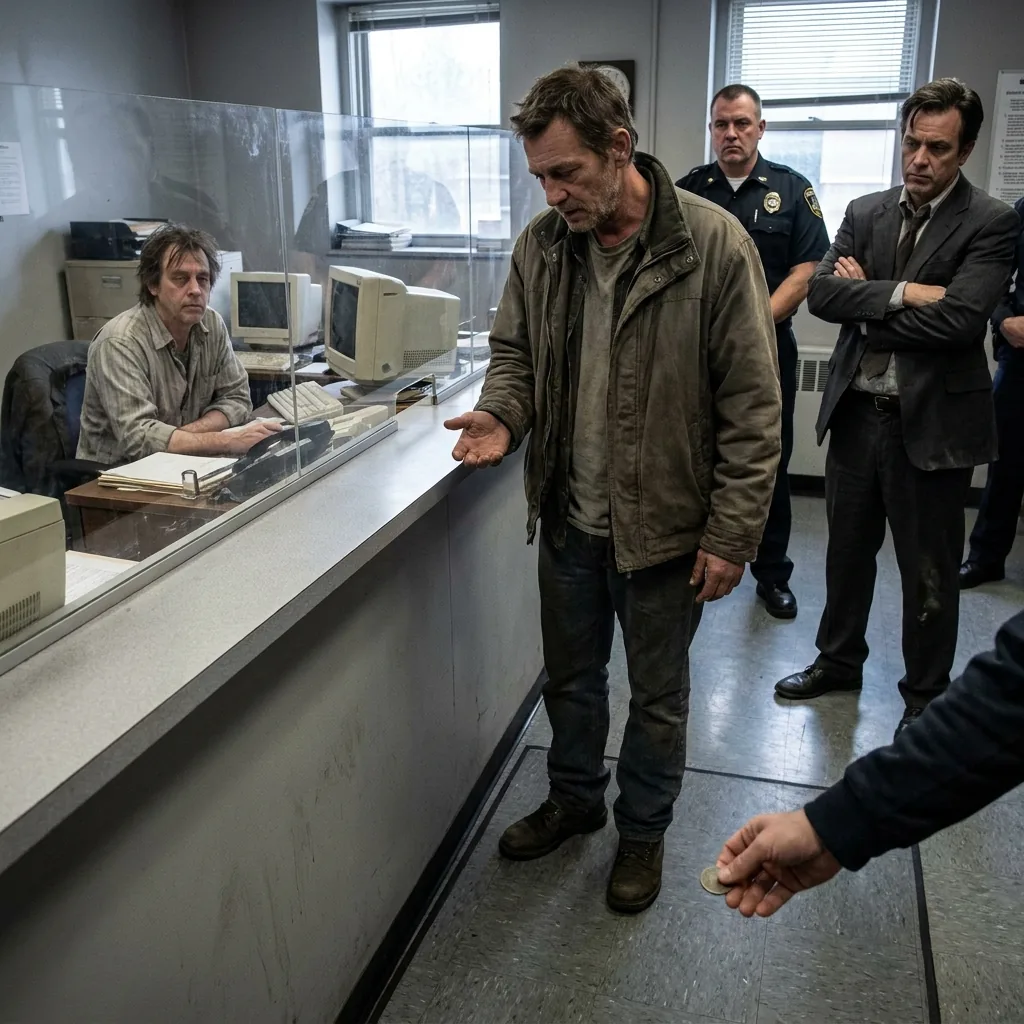
Cal Reed kept letting the mineral claim token slide out of his fingers and onto the gray office mat in the mining contract office, right there at the side desk by the intake window, until I had to bend down and catch it before it skittered under the printer. The room was full of the usual low scanner chatter and clipped keyboard taps, and Cal stood over the micro-location like he had never seen a claim tray in his life, while Inez Park watched from the supervisor station and said, “Mara, can you just handle the routing part?”
That was the first loss: not just my time, but the whole claim sequence slipping out of Cal’s hands in front of the token everyone was staring at. We were inside the office for an ordinary filing run, the kind that should have taken ten minutes. Cal had already made a show of squinting at the screen, tilting the token toward the light, and asking me where the scan ridge was on it, like the object had been dropped on his desk from another planet. The claim line behind us was short. Nobody raised their voice. That made it worse. Every pause landed loud.
I took the token, set it on the reader cradle, and kept my face on the monitor. Cal hovered close enough that his sleeve brushed my arm. He pointed once, twice, at the wrong menu. “That one?” he said. “No, wait. Or that one?”
“This one,” I said, and tapped the correct path. The contract screen opened. The mineral claim token number matched the intake sheet, and Inez nodded without looking up from her own panel.
Cal made a small sound in his throat and leaned back like the screen had insulted him. “I always mix those up,” he said, loud enough for the nearest clerk to hear. “Mara’s better with this stuff.”
That was the part that turned the task into a trap. He had come in as the broker on the Reed claim, but every simple step kept getting handed over to me. He fumbled the claimant ID. He fed the token to the reader upside down. He read the wrong line item out loud and then asked me to repeat it. Each mistake pulled another piece of the work onto my side of the desk. I kept moving the claim forward because the token had to stay in play and the line could not stall on a family mess.
Inez slid a slim form across the counter. “Need the transfer route confirmed before lunch,” she said.
Cal did not touch it. He looked at me instead.
I signed the routing block, then passed the stylus back. Cal watched my hand the whole time and said, “There, see? I would’ve gotten there. Just takes me longer.” He smiled without showing teeth and let the joke hang there long enough for the clerk to glance over.
I checked the screen again. The office system had one more step before the claim token could clear: a blind verification on the mineral trace mark. I saw the prompt appear in the lower corner, simple and plain. Normally the claimant keyed the last match and the office stamped the route. Cal, still acting lost, pushed the token toward me. “Can you finish this part too?” he asked. “You know how these screens are.”
I looked at the prompt, then at his hands. They were clean, steady, and already folded back from the keyboard. He had not touched the verify field yet. He had touched everything else.
Inez finally looked up and said, “No. This one he has to do himself.”
Cal’s fingers went to the pad, and for one brief second they moved before he spoke, straight to the exact field the system had hidden behind the blind prompt. He stopped with his fingertip hovering over the right box, like he had remembered where it was without thinking. Then he caught himself and laughed once under his breath. “Right,” he said. “Of course.”
He was smiling when he said it. That was the part I could not square with the rest of him acting lost, and the token was still sitting between us on the cradle with the next step waiting.
Cal Reed kept letting the mineral claim token slide out of his fingers and onto the gray office mat in the mining contract office, right there at the side desk by the intake window, until I had to bend down and catch it before it skittered under the printer. The room was full of the usual low scanner chatter and clipped keyboard taps, and Cal stood over the micro-location like he had never seen a claim tray in his life, while Inez Park watched from the supervisor station and said, “Mara, can you just handle the routing part?”
That was the first loss: not just my time, but the whole claim sequence slipping out of Cal’s hands in front of the token everyone was staring at. We were inside the office for an ordinary filing run, the kind that should have taken ten minutes. Cal had already made a show of squinting at the screen, tilting the token toward the light, and asking me where the scan ridge was on it, like the object had been dropped on his desk from another planet. The claim line behind us was short. Nobody raised their voice. That made it worse. Every pause landed loud.
I took the token, set it on the reader cradle, and kept my face on the monitor. Cal hovered close enough that his sleeve brushed my arm. He pointed once, twice, at the wrong menu. “That one?” he said. “No, wait. Or that one?”
“This one,” I said, and tapped the correct path. The contract screen opened. The mineral claim token number matched the intake sheet, and Inez nodded without looking up from her own panel.
Cal made a small sound in his throat and leaned back like the screen had insulted him. “I always mix those up,” he said, loud enough for the nearest clerk to hear. “Mara’s better with this stuff.”
That was the part that turned the task into a trap. He had come in as the broker on the Reed claim, but every simple step kept getting handed over to me. He fumbled the claimant ID. He fed the token to the reader upside down. He read the wrong line item out loud and then asked me to repeat it. Each mistake pulled another piece of the work onto my side of the desk. I kept moving the claim forward because the token had to stay in play and the line could not stall on a family mess.
Inez slid a slim form across the counter. “Need the transfer route confirmed before lunch,” she said.
Cal did not touch it. He looked at me instead.
I signed the routing block, then passed the stylus back. Cal watched my hand the whole time and said, “There, see? I would’ve gotten there. Just takes me longer.” He smiled without showing teeth and let the joke hang there long enough for the clerk to glance over.
I checked the screen again. The office system had one more step before the claim token could clear: a blind verification on the mineral trace mark. I saw the prompt appear in the lower corner, simple and plain. Normally the claimant keyed the last match and the office stamped the route. Cal, still acting lost, pushed the token toward me. “Can you finish this part too?” he asked. “You know how these screens are.”
I looked at the prompt, then at his hands. They were clean, steady, and already folded back from the keyboard. He had not touched the verify field yet. He had touched everything else.
Inez finally looked up and said, “No. This one he has to do himself.”
Cal’s fingers went to the pad, and for one brief second they moved before he spoke, straight to the exact field the system had hidden behind the blind prompt. He stopped with his fingertip hovering over the right box, like he had remembered where it was without thinking. Then he caught himself and laughed once under his breath. “Right,” he said. “Of course.”
He was smiling when he said it. That was the part I could not square with the rest of him acting lost, and the token was still sitting between us on the cradle with the next step waiting.