Story code: ST-000309
Part 1: The Behavioral Footprint
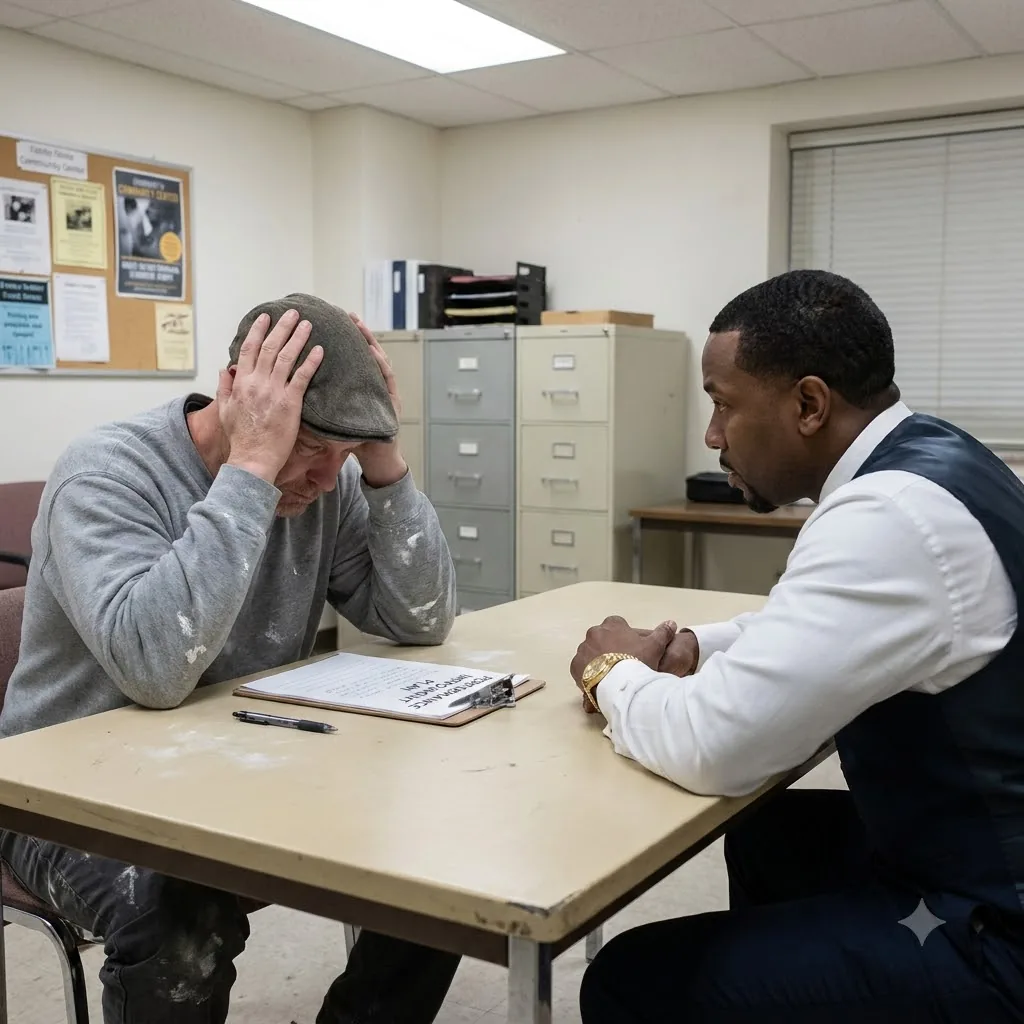
The fluorescent lights buzzed a flat, sterile hum over the frosted glass desk in the community center’s second-floor administrative suite. Vic rubbed a thumb over the frayed edge of his old hand wraps, leaving a faint streak of chalk dust on the otherwise spotless mahogany finish. Across from him, Marcus adjusted the cuffs of a tailored charcoal blazer and slid a stapled manila folder across the table.
“We need to discuss your behavioral footprint within the facility, Victor,” Marcus said, keeping his voice at a practiced, soothing modulation. “The board has received several notes regarding the lack of a trauma-informed paradigm in your youth instruction blocks.”
Vic stared at the folder. He was a boxing coach. He taught footwork, head movement, and how to take a heavy punch without biting off a tongue. He had absolutely no idea what a behavioral footprint was. The language sounded like something out of a corporate seminar, entirely detached from the smell of old leather and sweat that defined the gym downstairs.
“You are talking about the sparring sessions,” Vic stated flatly.
“I am referring to a concerning pattern of micro-hostilities,” Marcus corrected. He opened the folder, pointing to a meticulously highlighted spreadsheet. “Your vocal volume during the after-school athletic window regularly exceeds the center’s decibel guidelines for a cooperative wellness space. Furthermore, your insistence on physical confrontation as a conflict resolution mechanism is entirely out of alignment with our current corporate ethos.”
Vic shifted his weight in the undersized plastic chair, the metal legs scraping harshly against the linoleum. Downstairs, the heavy bags hung in silence. It was four o’clock, the exact time his kids usually started wrapping their hands and doing jump rope drills. He needed to be on the mat.
“Boxing is a physical sport,” Vic said, keeping his tone measured. “The kids come down to the basement to learn how to defend themselves. They learn discipline.”
Marcus held up a hand, his smile perfectly symmetrical and entirely devoid of warmth. “We prefer to call it kinesthetic empowerment. But unfortunately, your methodology has created an unsafe psychological environment for our community stakeholders. We are placing you on a mandatory Performance Improvement Plan, effective immediately.”
Vic read the bold letters at the top of the thick document. The PIP required him to undergo six weeks of sensitivity modules and explicitly restricted him from unsupervised interactions with any minor enrolled in the program. It was a bureaucratic chokehold designed to push him out.
“I have fifteen kids waiting downstairs right now,” Vic said. “They rely on that structure.”
“They rely on an atmosphere of holistic safety,” Marcus replied smoothly. “And frankly, Victor, your recent interactions with some of our newer attendees have been deeply problematic. You have exhibited aggressive boundary-pushing.”
Vic thought of the new arrivals. The older teenagers who had started lingering near the exits over the last week never put on gloves. They just watched the younger boys with cold, heavy stares. Vic had chased them out of the locker room twice, using language that was decidedly not trauma-informed. He had told them to take their business back to the pavement.
Marcus tapped a silver pen against the desk. “Your refusal to integrate these older community members, and your hostile verbal engagement with them, violates our inclusivity charter. As part of your PIP, you are suspended from the active floor. You will not have access to the locker rooms, the training mats, or the equipment area until you have been cleared by human resources.”
Vic felt the blood rush to his ears. He realized the immediate danger of this arrangement. If he lost floor access, the basement gym was effectively unmonitored. The younger kids would be left with the center’s rotating volunteer staff, well-meaning college students who did not recognize the subtle signs of corner-store intimidation.
“You cannot take me off the floor,” Vic stated. “Not with those older boys hanging around the lockers.”
Marcus sighed, pressing his manicured hands together. “Your tendency to profile our adolescent stakeholders is exactly why this intervention is necessary. You are creating a toxic dichotomy of us versus them instead of fostering a unified space. Your administrative leave begins in three minutes.”
Vic leaned forward, his knuckles white against the mahogany desk. He needed to explain the reality of the neighborhood, but the words felt utterly useless against Marcus’s impenetrable wall of corporate doublespeak. Marcus was using the center’s own anti-bullying policies to systematically remove the only obstacle in the basement.
“Sign the acknowledgment, Victor,” Marcus said, sliding the pen across the desk. “Refusal to sign constitutes immediate termination of your contract. That would sever your connection to the facility permanently.”
Vic stared at the silver pen. The threat was absolute. Signing meant he was benched, neutralized by a spreadsheet and a sensitivity mandate. Refusing meant he was out on the street, locked out of the building forever.
A soft knock rattled the frosted glass door.
Marcus checked his smartwatch. “Right on schedule. I requested a secondary party to be present for the formal initiation of your probationary period, to ensure full transparency.”
The door swung inward. Two of the older boys Vic had thrown out of the locker room yesterday stood in the hallway. They wore crisp, oversized athletic gear, their expressions perfectly blank. But they were not the focus of the interruption.
Standing between them, his shoulders hunched and his eyes fixed on the floor tiles, was twelve-year-old Mateo.
One of the older boys placed a heavy hand squarely on the back of Mateo’s neck, guiding the trembling child into the sterile office to witness the coach sign away his authority.
The fluorescent lights buzzed a flat, sterile hum over the frosted glass desk in the community center’s second-floor administrative suite. Vic rubbed a thumb over the frayed edge of his old hand wraps, leaving a faint streak of chalk dust on the otherwise spotless mahogany finish. Across from him, Marcus adjusted the cuffs of a tailored charcoal blazer and slid a stapled manila folder across the table.
“We need to discuss your behavioral footprint within the facility, Victor,” Marcus said, keeping his voice at a practiced, soothing modulation. “The board has received several notes regarding the lack of a trauma-informed paradigm in your youth instruction blocks.”
Vic stared at the folder. He was a boxing coach. He taught footwork, head movement, and how to take a heavy punch without biting off a tongue. He had absolutely no idea what a behavioral footprint was. The language sounded like something out of a corporate seminar, entirely detached from the smell of old leather and sweat that defined the gym downstairs.
“You are talking about the sparring sessions,” Vic stated flatly.
“I am referring to a concerning pattern of micro-hostilities,” Marcus corrected. He opened the folder, pointing to a meticulously highlighted spreadsheet. “Your vocal volume during the after-school athletic window regularly exceeds the center’s decibel guidelines for a cooperative wellness space. Furthermore, your insistence on physical confrontation as a conflict resolution mechanism is entirely out of alignment with our current corporate ethos.”
Vic shifted his weight in the undersized plastic chair, the metal legs scraping harshly against the linoleum. Downstairs, the heavy bags hung in silence. It was four o’clock, the exact time his kids usually started wrapping their hands and doing jump rope drills. He needed to be on the mat.
“Boxing is a physical sport,” Vic said, keeping his tone measured. “The kids come down to the basement to learn how to defend themselves. They learn discipline.”
Marcus held up a hand, his smile perfectly symmetrical and entirely devoid of warmth. “We prefer to call it kinesthetic empowerment. But unfortunately, your methodology has created an unsafe psychological environment for our community stakeholders. We are placing you on a mandatory Performance Improvement Plan, effective immediately.”
Vic read the bold letters at the top of the thick document. The PIP required him to undergo six weeks of sensitivity modules and explicitly restricted him from unsupervised interactions with any minor enrolled in the program. It was a bureaucratic chokehold designed to push him out.
“I have fifteen kids waiting downstairs right now,” Vic said. “They rely on that structure.”
“They rely on an atmosphere of holistic safety,” Marcus replied smoothly. “And frankly, Victor, your recent interactions with some of our newer attendees have been deeply problematic. You have exhibited aggressive boundary-pushing.”
Vic thought of the new arrivals. The older teenagers who had started lingering near the exits over the last week never put on gloves. They just watched the younger boys with cold, heavy stares. Vic had chased them out of the locker room twice, using language that was decidedly not trauma-informed. He had told them to take their business back to the pavement.
Marcus tapped a silver pen against the desk. “Your refusal to integrate these older community members, and your hostile verbal engagement with them, violates our inclusivity charter. As part of your PIP, you are suspended from the active floor. You will not have access to the locker rooms, the training mats, or the equipment area until you have been cleared by human resources.”
Vic felt the blood rush to his ears. He realized the immediate danger of this arrangement. If he lost floor access, the basement gym was effectively unmonitored. The younger kids would be left with the center’s rotating volunteer staff, well-meaning college students who did not recognize the subtle signs of corner-store intimidation.
“You cannot take me off the floor,” Vic stated. “Not with those older boys hanging around the lockers.”
Marcus sighed, pressing his manicured hands together. “Your tendency to profile our adolescent stakeholders is exactly why this intervention is necessary. You are creating a toxic dichotomy of us versus them instead of fostering a unified space. Your administrative leave begins in three minutes.”
Vic leaned forward, his knuckles white against the mahogany desk. He needed to explain the reality of the neighborhood, but the words felt utterly useless against Marcus’s impenetrable wall of corporate doublespeak. Marcus was using the center’s own anti-bullying policies to systematically remove the only obstacle in the basement.
“Sign the acknowledgment, Victor,” Marcus said, sliding the pen across the desk. “Refusal to sign constitutes immediate termination of your contract. That would sever your connection to the facility permanently.”
Vic stared at the silver pen. The threat was absolute. Signing meant he was benched, neutralized by a spreadsheet and a sensitivity mandate. Refusing meant he was out on the street, locked out of the building forever.
A soft knock rattled the frosted glass door.
Marcus checked his smartwatch. “Right on schedule. I requested a secondary party to be present for the formal initiation of your probationary period, to ensure full transparency.”
The door swung inward. Two of the older boys Vic had thrown out of the locker room yesterday stood in the hallway. They wore crisp, oversized athletic gear, their expressions perfectly blank. But they were not the focus of the interruption.
Standing between them, his shoulders hunched and his eyes fixed on the floor tiles, was twelve-year-old Mateo.
One of the older boys placed a heavy hand squarely on the back of Mateo’s neck, guiding the trembling child into the sterile office to witness the coach sign away his authority.