Story code: ST-000662
Part 1: My Name in the Freezer
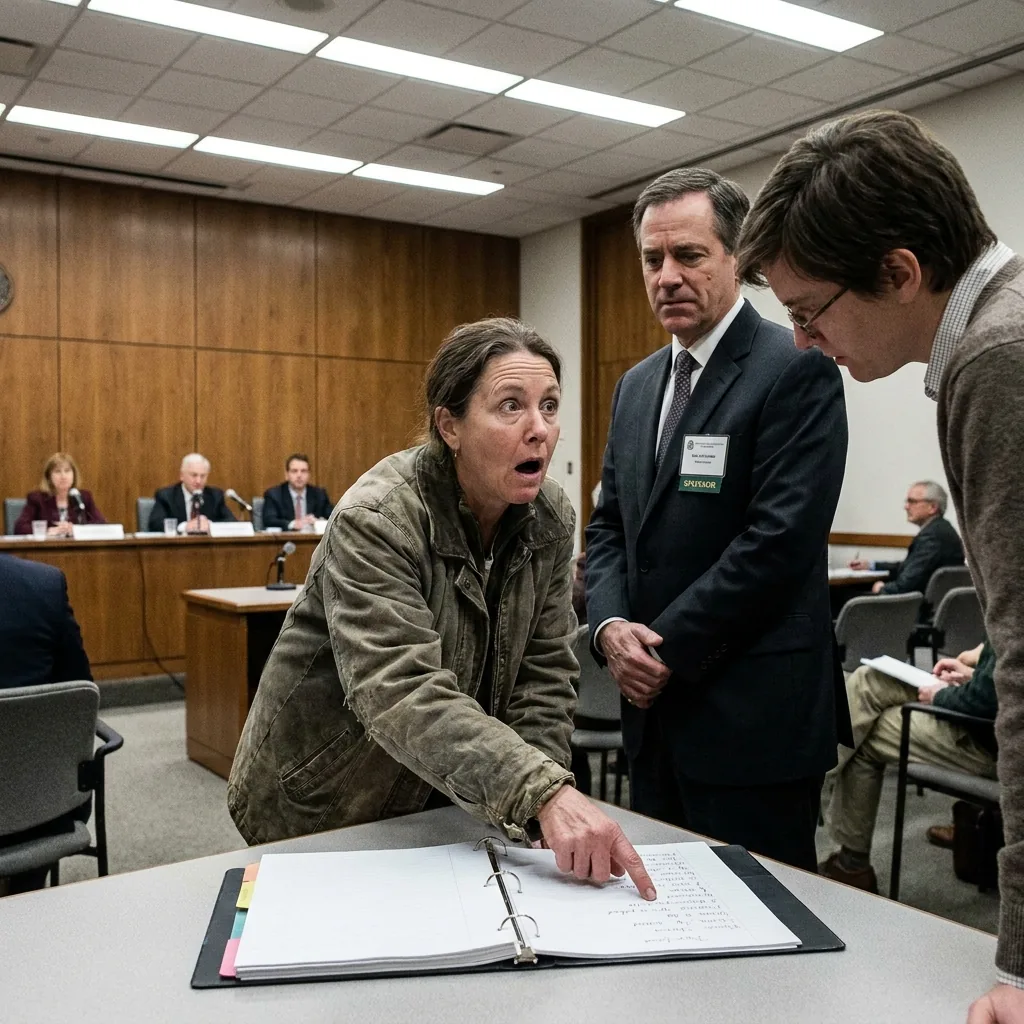
I came to a public bioethics hearing to argue about consent policy, and before the first microphone check finished, I saw my own name on a freezer log that should not have existed. It was sitting beside a demonstration storage unit near the hearing floor, right where interns were stacking water cups and people were flipping through agenda packets, and the line next to my identifier made it look like part of a clone program inventory. If that entry was real, somebody had taken something from my body or my private space without my permission, and the sponsor smiling across the room was about to talk about ethics like he owned the word. The hearing was in a university medical center auditorium that had been dressed up to look neutral. Gray table skirts. Blue name placards. A row of microphones with little red lights. Just outside the main floor, there was a staging area with posters about responsible innovation and a glass-front freezer unit that had been rolled in for what the agenda called an educational demonstration on sample handling. I noticed it because I always read signs when I am nervous. I had checked in, gotten my badge, and stepped toward the side table for the printed agenda packet. Two volunteers were talking about where to seat late media arrivals. Someone in a suit was laughing too loudly near the coffee urn. Nothing about the moment looked dramatic. Then I looked past the stacked handouts and saw a clipboard hanging from the freezer handle. The sheet clipped there had columns for sample ID, intake date, storage tier, and transfer initials. Half of it was blocked by a laminated placard, but the visible lines were enough. One line had an identifier I knew because it included the last four digits of an old participant code from a women’s health study I had joined years ago, back when I signed a narrow consent for hormone tracking and nothing else. Next to that code was my last name. Ellison. Not a similar name. Not something close. Mine. I stepped closer like the paper might rearrange itself if I changed angles. It did not. There was a notation in the remarks column: retained viability review. Under program designation, there was an abbreviated label for the cloning initiative Gavin Vale had been funding and defending in every magazine profile for the last year. My hand tightened around the hearing packet hard enough to bend it. I did not touch the clipboard. I did not want anyone saying I had tampered with anything. I just stood there long enough for one of the volunteers to say, “Ma’am, we’re about to open seating,” in that careful public voice people use when they want you to move without making a scene. I asked, “Why is there a live freezer log in a public hallway?” She glanced at it, then at my badge, then back toward the room. “It’s just part of the demo materials.” Demo materials. My name was apparently a demo. Across the staging area, Gavin Vale had just come through the side door with two staffers and a woman from the foundation office. He looked exactly the way rich men look when they know cameras are nearby: relaxed shoulders, soft smile, open hands, expensive suit pretending it is ordinary. I had met him twice before at planning sessions. He had called me thoughtful. He had said these hearings needed real community voices. He saw me looking in his direction and gave a small nod like we were on the same team. I turned back to the freezer log and took out my phone. Before I could frame a picture, one of the staffers stepped between me and the clipboard. “Please don’t photograph internal materials,” he said. I said, “Internal to what?” He did not answer that. He just reached up and unhooked the clipboard from the freezer handle. That got the attention of two people nearby, including a local reporter I recognized from health coverage. She looked from me to the clipboard to the staffer’s hand. He tucked the sheet against his side too quickly for someone handling a harmless prop. I said, louder this time, “That sheet has my name on it.” The reporter’s eyebrows lifted. The volunteer with the seating list froze in place. From inside the hearing room, I heard the microphone thump of someone testing sound. Gavin crossed the space with the calm pace of a person who expects calm to be contagious. “Mara,” he said, low enough to sound personal, “if there’s a misunderstanding, we can clear it up after we begin.” “After you begin what?” I asked. “After you tell the room your program respects informed consent?” His expression barely changed. “I don’t know what you think you saw.” I held up the bent hearing packet so he could see my hand shaking against the paper. “I saw my own identifier next to your clone initiative.” Dr. Nisha Benton appeared at the door then, one hand still on the frame, reading the tension before she read faces. “If there’s an issue with hearing materials,” she said, “bring it to the table once we are on record.” That was the moment I understood how dangerous the next hour could become. If I said nothing, Gavin would get the first clean version into the microphones. If I spoke too early without something the room could recognize, I would sound like the unstable person disrupting a hearing on science I was supposed to help legitimize. I sat down in the second row with the agenda packet folded over my knee and watched the clipboard disappear behind the witness table. On the dais, Gavin arranged his notes as if none of this had happened. Three seats down from me, Leah Mercer slipped into the public section and gave me a quick, familiar look that said she had made it just in time. Leah had keys to my apartment once. Leah had fed my.
I came to a public bioethics hearing to argue about consent policy, and before the first microphone check finished, I saw my own name on a freezer log that should not have existed. It was sitting beside a demonstration storage unit near the hearing floor, right where interns were stacking water cups and people were flipping through agenda packets, and the line next to my identifier made it look like part of a clone program inventory. If that entry was real, somebody had taken something from my body or my private space without my permission, and the sponsor smiling across the room was about to talk about ethics like he owned the word. The hearing was in a university medical center auditorium that had been dressed up to look neutral. Gray table skirts. Blue name placards. A row of microphones with little red lights. Just outside the main floor, there was a staging area with posters about responsible innovation and a glass-front freezer unit that had been rolled in for what the agenda called an educational demonstration on sample handling. I noticed it because I always read signs when I am nervous. I had checked in, gotten my badge, and stepped toward the side table for the printed agenda packet. Two volunteers were talking about where to seat late media arrivals. Someone in a suit was laughing too loudly near the coffee urn. Nothing about the moment looked dramatic. Then I looked past the stacked handouts and saw a clipboard hanging from the freezer handle. The sheet clipped there had columns for sample ID, intake date, storage tier, and transfer initials. Half of it was blocked by a laminated placard, but the visible lines were enough. One line had an identifier I knew because it included the last four digits of an old participant code from a women’s health study I had joined years ago, back when I signed a narrow consent for hormone tracking and nothing else. Next to that code was my last name. Ellison. Not a similar name. Not something close. Mine. I stepped closer like the paper might rearrange itself if I changed angles. It did not. There was a notation in the remarks column: retained viability review. Under program designation, there was an abbreviated label for the cloning initiative Gavin Vale had been funding and defending in every magazine profile for the last year. My hand tightened around the hearing packet hard enough to bend it. I did not touch the clipboard. I did not want anyone saying I had tampered with anything. I just stood there long enough for one of the volunteers to say, “Ma’am, we’re about to open seating,” in that careful public voice people use when they want you to move without making a scene. I asked, “Why is there a live freezer log in a public hallway?” She glanced at it, then at my badge, then back toward the room. “It’s just part of the demo materials.” Demo materials. My name was apparently a demo. Across the staging area, Gavin Vale had just come through the side door with two staffers and a woman from the foundation office. He looked exactly the way rich men look when they know cameras are nearby: relaxed shoulders, soft smile, open hands, expensive suit pretending it is ordinary. I had met him twice before at planning sessions. He had called me thoughtful. He had said these hearings needed real community voices. He saw me looking in his direction and gave a small nod like we were on the same team. I turned back to the freezer log and took out my phone. Before I could frame a picture, one of the staffers stepped between me and the clipboard. “Please don’t photograph internal materials,” he said. I said, “Internal to what?” He did not answer that. He just reached up and unhooked the clipboard from the freezer handle. That got the attention of two people nearby, including a local reporter I recognized from health coverage. She looked from me to the clipboard to the staffer’s hand. He tucked the sheet against his side too quickly for someone handling a harmless prop. I said, louder this time, “That sheet has my name on it.” The reporter’s eyebrows lifted. The volunteer with the seating list froze in place. From inside the hearing room, I heard the microphone thump of someone testing sound. Gavin crossed the space with the calm pace of a person who expects calm to be contagious. “Mara,” he said, low enough to sound personal, “if there’s a misunderstanding, we can clear it up after we begin.” “After you begin what?” I asked. “After you tell the room your program respects informed consent?” His expression barely changed. “I don’t know what you think you saw.” I held up the bent hearing packet so he could see my hand shaking against the paper. “I saw my own identifier next to your clone initiative.” Dr. Nisha Benton appeared at the door then, one hand still on the frame, reading the tension before she read faces. “If there’s an issue with hearing materials,” she said, “bring it to the table once we are on record.” That was the moment I understood how dangerous the next hour could become. If I said nothing, Gavin would get the first clean version into the microphones. If I spoke too early without something the room could recognize, I would sound like the unstable person disrupting a hearing on science I was supposed to help legitimize. I sat down in the second row with the agenda packet folded over my knee and watched the clipboard disappear behind the witness table. On the dais, Gavin arranged his notes as if none of this had happened. Three seats down from me, Leah Mercer slipped into the public section and gave me a quick, familiar look that said she had made it just in time. Leah had keys to my apartment once. Leah had fed my.