Story code: ST-000507
Part 1: He Said My Care Was the Problem
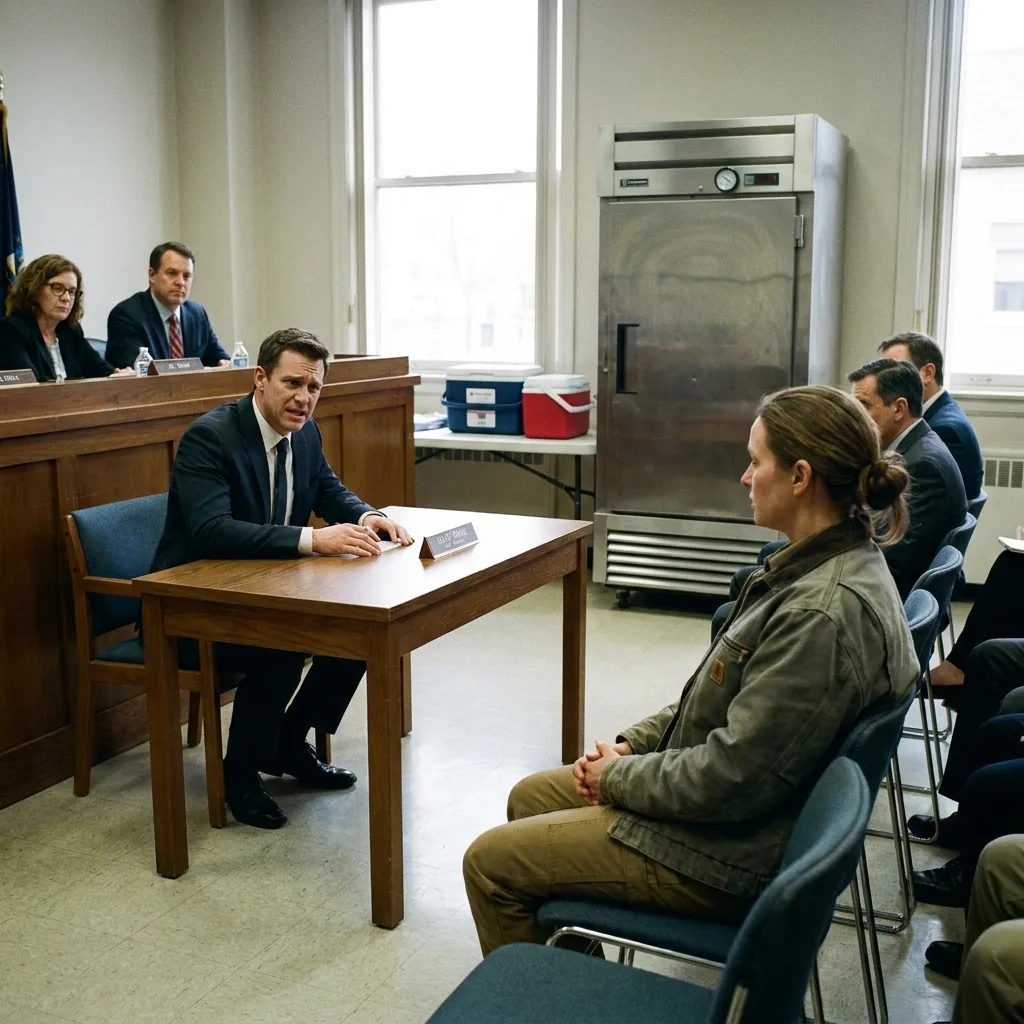
Elliot Crane sat under his little name placard in the bioethics hearing room and told the panel that I had made myself too central to the clone nursery, like checking the sample freezer at 2 a.m. was some private obsession instead of the reason the alarms stayed quiet. He said it in front of the chair, in front of the family representative, in front of the wall monitor still showing the freezer bay access screen from that morning, and for one long second the room treated my daily care like evidence against me. The bad part was not even the accusation. The bad part was that the care log was three feet from his hand.
Dr. Nia Patel did not let anybody talk over anybody else. She tapped her pen once against the folder in front of her and said, “We’re going to stay with observable conduct. Ms. Jensen, you’ll have a chance to answer. Mr. Crane, finish the statement.”
I kept both hands on my notebook so the ring of access cards would stop clicking against the table.
Elliot folded his hands as if we were in a donor meeting instead of a hearing. “The issue is not whether Ms. Jensen performed tasks,” he said. “The issue is whether she crossed from support into personal control. There were repeated unscheduled visits, repeated unilateral checks, repeated insertions of herself into a family process.”
“Insertions,” Lena Brooks repeated under her breath. She had both hands around a paper cup. She did not look at me when she said it.
Dr. Patel turned to me. “Did you perform repeated freezer checks outside standard daytime rounds?”
“Yes,” I said.
Elliot shifted in his chair like he’d just gotten the answer he wanted.
I kept going before he could use the silence. “When the alarm panel threw a compressor fluctuation, I checked the sample freezer in person. When the digital record lagged and the temperature line looked wrong, I checked in person. When Ruben texted the bay that the door seal had thrown another warning, I checked in person. Every one of those checks is in the log.”
Dr. Patel said, “Stay with what you personally handled.”
“I used my access card, opened bay two, verified seal contact, verified sample rack position, and called the numbers posted on the inside panel when the alarm didn’t clear.”
Elliot gave a small, patient nod that looked made for a camera, though there were no cameras in the room. “That is exactly the problem,” he said. “She is describing a pattern of self-assigned indispensability.”
Nobody moved for a second. The hearing clerk stopped typing and started again.
I looked at Dr. Patel, not at him. “Do you want the answer to be shorter,” I asked, “or do you want it to be true?”
Ruben Alvarez let out one breath through his nose. He was in the witness row with a tablet balanced on one knee, work badge still clipped to his belt, shirt sleeves marked by a day around coolant lines.
Dr. Patel didn’t smile. “Truth first. Short second. Mr. Crane, you made a claim about boundary crossing. Tie it to a date.”
Elliot touched the top sheet in his stack but did not slide it forward. “There was a pattern through March and April. The family experienced Ms. Jensen’s involvement as possessive. She presented routine intervention as sacrifice.”
“Date,” Dr. Patel said again.
He gave one. April 14.
That landed in the room harder than his polished language, because I knew that date by the alarm pattern. I flipped open my notebook, though I didn’t need to. April 14 was the day bay two chirped every seventeen minutes because the seal kept lifting on the lower right corner.
“I was there at 6:12 a.m., 6:31 a.m., and 7:04 a.m.,” I said. “The freezer logged it. Ruben was on the maintenance line.”
Ruben checked his tablet before speaking. “I was,” he said. “Work order opened 6:19. Temporary reseat until replacement arrived.”
Elliot turned one palm up, as if the details were beside the point. “No one is disputing there was equipment activity. The concern is that Ms. Jensen consistently converted technical necessity into personal access.”
Lena’s cup bent slightly in her hands. She set it down before the lid popped.
Dr. Patel said, “What would proper conduct have been, in your view?”
Elliot answered quickly. “Alert the sponsor. Wait for authorized direction. Maintain support role boundaries.”
That was the first time I looked straight at him.
“Wait?” I said. “With a freezer warning active?”
“Escalate through the correct person,” he said.
Dr. Patel turned to Ruben. “If a seal warning repeats on a sample freezer, is waiting for sponsor direction standard?”
Ruben did not look at anybody except the screen. “No. You verify physically. Then you stabilize.”
A small sound came from the far end of the table where the general counsel had been sorting exhibits. Paper, then stillness.
Dr. Patel held her pen over the folder. “Mr. Crane, were you physically present for any of the April 14 checks you just referenced?”
He paused just long enough for everybody to hear it.
“I was being updated,” he said.
“By whom?” Dr. Patel asked.
He glanced toward Lena, then back to the chair. “By staff involved in support.”
I reached for the printed log packet beside me because I knew what page April 14 sat on. The top sheet had my card entries, Ruben’s maintenance stamp, and one more line that did not fit the story Elliot had been selling all morning.
Dr. Patel noticed my hand on the packet. “Ms. Jensen,” she said, “what are you looking at?”
I slid the page halfway out and saw the timestamp at the bottom margin.
“April 14,” I said. “And if this copy matches the digital log, Mr. Crane wasn’t waiting to direct care that morning. He couldn’t even get through the freezer bay door.”
Elliot Crane sat under his little name placard in the bioethics hearing room and told the panel that I had made myself too central to the clone nursery, like checking the sample freezer at 2 a.m. was some private obsession instead of the reason the alarms stayed quiet. He said it in front of the chair, in front of the family representative, in front of the wall monitor still showing the freezer bay access screen from that morning, and for one long second the room treated my daily care like evidence against me. The bad part was not even the accusation. The bad part was that the care log was three feet from his hand.
Dr. Nia Patel did not let anybody talk over anybody else. She tapped her pen once against the folder in front of her and said, “We’re going to stay with observable conduct. Ms. Jensen, you’ll have a chance to answer. Mr. Crane, finish the statement.”
I kept both hands on my notebook so the ring of access cards would stop clicking against the table.
Elliot folded his hands as if we were in a donor meeting instead of a hearing. “The issue is not whether Ms. Jensen performed tasks,” he said. “The issue is whether she crossed from support into personal control. There were repeated unscheduled visits, repeated unilateral checks, repeated insertions of herself into a family process.”
“Insertions,” Lena Brooks repeated under her breath. She had both hands around a paper cup. She did not look at me when she said it.
Dr. Patel turned to me. “Did you perform repeated freezer checks outside standard daytime rounds?”
“Yes,” I said.
Elliot shifted in his chair like he’d just gotten the answer he wanted.
I kept going before he could use the silence. “When the alarm panel threw a compressor fluctuation, I checked the sample freezer in person. When the digital record lagged and the temperature line looked wrong, I checked in person. When Ruben texted the bay that the door seal had thrown another warning, I checked in person. Every one of those checks is in the log.”
Dr. Patel said, “Stay with what you personally handled.”
“I used my access card, opened bay two, verified seal contact, verified sample rack position, and called the numbers posted on the inside panel when the alarm didn’t clear.”
Elliot gave a small, patient nod that looked made for a camera, though there were no cameras in the room. “That is exactly the problem,” he said. “She is describing a pattern of self-assigned indispensability.”
Nobody moved for a second. The hearing clerk stopped typing and started again.
I looked at Dr. Patel, not at him. “Do you want the answer to be shorter,” I asked, “or do you want it to be true?”
Ruben Alvarez let out one breath through his nose. He was in the witness row with a tablet balanced on one knee, work badge still clipped to his belt, shirt sleeves marked by a day around coolant lines.
Dr. Patel didn’t smile. “Truth first. Short second. Mr. Crane, you made a claim about boundary crossing. Tie it to a date.”
Elliot touched the top sheet in his stack but did not slide it forward. “There was a pattern through March and April. The family experienced Ms. Jensen’s involvement as possessive. She presented routine intervention as sacrifice.”
“Date,” Dr. Patel said again.
He gave one. April 14.
That landed in the room harder than his polished language, because I knew that date by the alarm pattern. I flipped open my notebook, though I didn’t need to. April 14 was the day bay two chirped every seventeen minutes because the seal kept lifting on the lower right corner.
“I was there at 6:12 a.m., 6:31 a.m., and 7:04 a.m.,” I said. “The freezer logged it. Ruben was on the maintenance line.”
Ruben checked his tablet before speaking. “I was,” he said. “Work order opened 6:19. Temporary reseat until replacement arrived.”
Elliot turned one palm up, as if the details were beside the point. “No one is disputing there was equipment activity. The concern is that Ms. Jensen consistently converted technical necessity into personal access.”
Lena’s cup bent slightly in her hands. She set it down before the lid popped.
Dr. Patel said, “What would proper conduct have been, in your view?”
Elliot answered quickly. “Alert the sponsor. Wait for authorized direction. Maintain support role boundaries.”
That was the first time I looked straight at him.
“Wait?” I said. “With a freezer warning active?”
“Escalate through the correct person,” he said.
Dr. Patel turned to Ruben. “If a seal warning repeats on a sample freezer, is waiting for sponsor direction standard?”
Ruben did not look at anybody except the screen. “No. You verify physically. Then you stabilize.”
A small sound came from the far end of the table where the general counsel had been sorting exhibits. Paper, then stillness.
Dr. Patel held her pen over the folder. “Mr. Crane, were you physically present for any of the April 14 checks you just referenced?”
He paused just long enough for everybody to hear it.
“I was being updated,” he said.
“By whom?” Dr. Patel asked.
He glanced toward Lena, then back to the chair. “By staff involved in support.”
I reached for the printed log packet beside me because I knew what page April 14 sat on. The top sheet had my card entries, Ruben’s maintenance stamp, and one more line that did not fit the story Elliot had been selling all morning.
Dr. Patel noticed my hand on the packet. “Ms. Jensen,” she said, “what are you looking at?”
I slid the page halfway out and saw the timestamp at the bottom margin.
“April 14,” I said. “And if this copy matches the digital log, Mr. Crane wasn’t waiting to direct care that morning. He couldn’t even get through the freezer bay door.”