Story code: ST-000603
Part 1: Surge Versus Flood
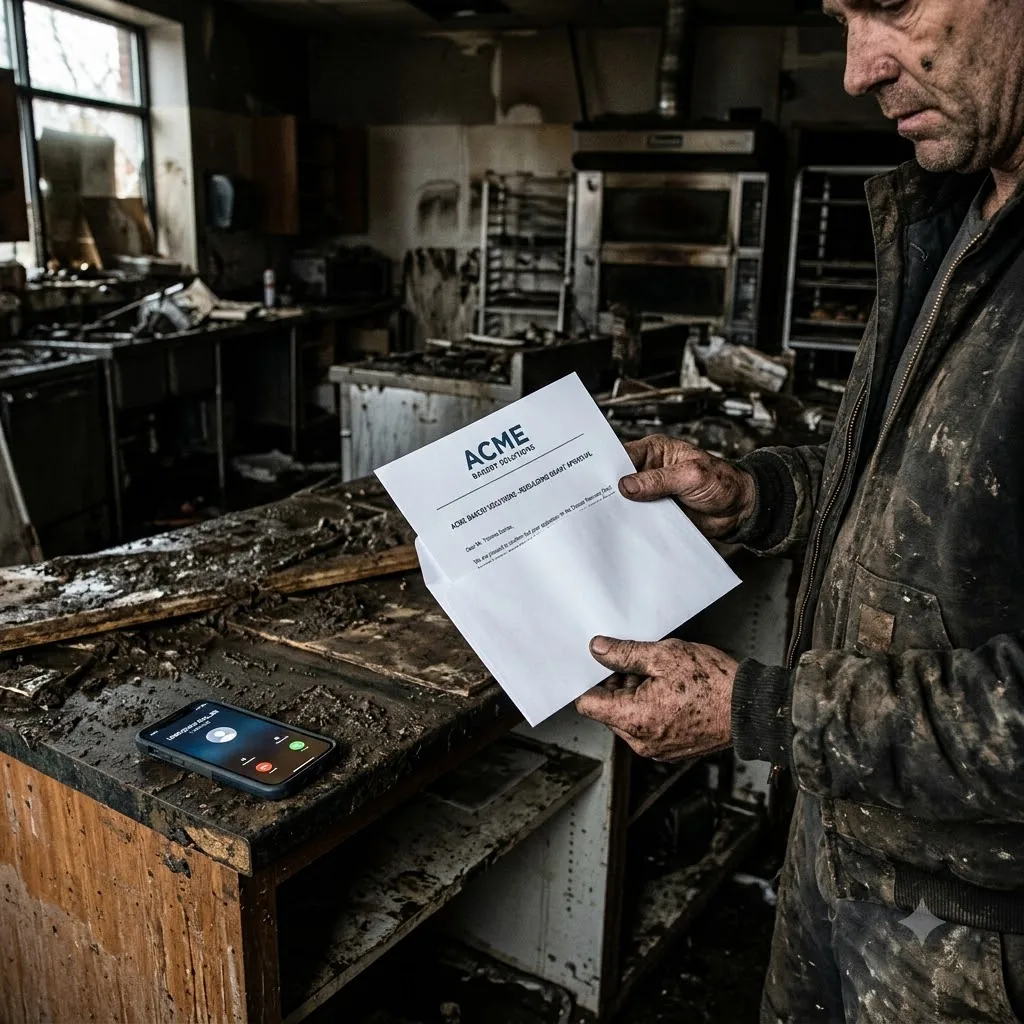
The official blue logo of Atlantic SafeGuard was already dissolving, the ink bleeding into the oily black sludge coating Elias’s fingers. The second paragraph of the letter declared his bakery’s total destruction a storm surge event, nullifying his flood policy and leaving him completely bankrupt. Elias let the paper drop into the ankle-deep muck covering what used to be his kitchen floor.
The smell hanging in the air was a physical weight. It was a suffocating, throat-burning blend of raw sewage, diesel fuel, and the rotting remnants of five hundred pounds of artisan flour. He drove a flat-edged shovel into the sludge, hitting the shattered glass of his main pastry display case with a sickening crunch. Every muscle in his back screamed as he lifted a heavy mound of foul-smelling earth and dumped it into a plastic wheelbarrow. The cart was already overflowing, spilling gray water onto the ruined tiles. This was day four of digging out his livelihood. The waterline etched into the drywall stood six feet high, a perfect horizontal stripe dividing the clean white paint above from the dark brown nightmare below.
He paused to lean against the handle of the shovel, dragging a forearm across his sweating forehead. He had spent ten years building this place, perfecting his sourdough starter, paying off the massive European deck oven that now sat dead and filled with brackish water. He had paid his insurance premiums on the first of every month for a decade without fail. The adjuster had spent less than ten minutes on the property yesterday morning. The man had taken three photographs and handed Elias the envelope before driving away in a spotless white SUV. Surge, not flood. Those three words meant the end of everything.
His phone vibrated violently in the front pocket of his heavy canvas work pants. He ignored it, driving the shovel back into the muck. The phone vibrated again, settling into a long, continuous drone. He needed to speak to his loan officer, or perhaps a lawyer, or a different insurance representative. He dropped the shovel, wiped his filthy hands on his ruined shirt, and fished the phone out. The screen was smeared with dark grease, but he could see an unknown number flashing.
He pressed the green icon and brought the device to his ear, standing completely still. He waited for the automated menu of a financial institution or the clipped tone of an adjuster calling to apologize for the error. He heard only steady, rhythmic breathing on the other end of the line.
Elias cleared his throat, trying to find his voice after hours of exhausted silence. A man spoke, his tone completely flat and conversational. The caller stated it was a real shame the water did not reach the ceiling.
Elias pulled the phone away from his ear and stared at the cracked screen, assuming the connection was bad. The call remained active. He brought the speaker back to his ear. The man told him he had seen the address on the list and was just calling to confirm the rot was setting in nicely. The caller added that Elias and his kind had manufactured this disaster, and the toxic sludge was exactly what he had earned.
Before Elias could form a word to respond, the line went dead. He stood frozen in the middle of his ruined bakery, the toxic water seeping slowly through the laces of his boots. The phone immediately buzzed again. It was a different unknown number. He rejected the call. A text message appeared at the top of his screen, displaying a photo of his storefront taken from across the street. The timestamp on the image was from three minutes ago.
He stepped toward the broken front window, his boots making loud sucking sounds in the mud. The street outside was a chaotic mess of ruined furniture and downed tree limbs, but he saw no one standing on the opposite sidewalk. His phone vibrated a third time, followed by a rapid cascade of text notifications. Five messages arrived in unison. Then ten. Then twenty. The device grew noticeably warm in his palm.
He opened the message application. The text blocks stacked against each other in a relentless, moving scroll. One message instructed him to swallow the toxic waste. Another provided the exact coordinates of his home address, suggesting the water should have taken his house instead of just the bakery. He swiped down, his thumb leaving a trail of black grime across the glowing glass. He only baked bread and poured coffee. The sheer volume of the hatred pouring into his hand made no sense against the backdrop of his destroyed life. He shoved the phone back into his pocket, desperate to return to the simple, agonizing labor of shoveling mud.
The vibrating against his thigh became a constant, unbroken rhythm. It felt like an electric shock against his skin. He gripped the shovel again, driving it into the muck with a sudden burst of panicked energy. He needed to clear the floor. He needed to find the floor drain. The phone rang out loud this time, piercing the quiet of the dead street with his default ringtone.
He pulled it out again, intending to power the device down completely. The screen flashed with an incoming video call. The caller ID displayed his mother’s landline number. He tapped the accept button, desperate to hear a familiar, sane voice in the middle of the nightmare. He raised the phone to eye level. The screen buffered for a second before revealing the live video feed. It was not his mother sitting in her living room.
The official blue logo of Atlantic SafeGuard was already dissolving, the ink bleeding into the oily black sludge coating Elias’s fingers. The second paragraph of the letter declared his bakery’s total destruction a storm surge event, nullifying his flood policy and leaving him completely bankrupt. Elias let the paper drop into the ankle-deep muck covering what used to be his kitchen floor.
The smell hanging in the air was a physical weight. It was a suffocating, throat-burning blend of raw sewage, diesel fuel, and the rotting remnants of five hundred pounds of artisan flour. He drove a flat-edged shovel into the sludge, hitting the shattered glass of his main pastry display case with a sickening crunch. Every muscle in his back screamed as he lifted a heavy mound of foul-smelling earth and dumped it into a plastic wheelbarrow. The cart was already overflowing, spilling gray water onto the ruined tiles. This was day four of digging out his livelihood. The waterline etched into the drywall stood six feet high, a perfect horizontal stripe dividing the clean white paint above from the dark brown nightmare below.
He paused to lean against the handle of the shovel, dragging a forearm across his sweating forehead. He had spent ten years building this place, perfecting his sourdough starter, paying off the massive European deck oven that now sat dead and filled with brackish water. He had paid his insurance premiums on the first of every month for a decade without fail. The adjuster had spent less than ten minutes on the property yesterday morning. The man had taken three photographs and handed Elias the envelope before driving away in a spotless white SUV. Surge, not flood. Those three words meant the end of everything.
His phone vibrated violently in the front pocket of his heavy canvas work pants. He ignored it, driving the shovel back into the muck. The phone vibrated again, settling into a long, continuous drone. He needed to speak to his loan officer, or perhaps a lawyer, or a different insurance representative. He dropped the shovel, wiped his filthy hands on his ruined shirt, and fished the phone out. The screen was smeared with dark grease, but he could see an unknown number flashing.
He pressed the green icon and brought the device to his ear, standing completely still. He waited for the automated menu of a financial institution or the clipped tone of an adjuster calling to apologize for the error. He heard only steady, rhythmic breathing on the other end of the line.
Elias cleared his throat, trying to find his voice after hours of exhausted silence. A man spoke, his tone completely flat and conversational. The caller stated it was a real shame the water did not reach the ceiling.
Elias pulled the phone away from his ear and stared at the cracked screen, assuming the connection was bad. The call remained active. He brought the speaker back to his ear. The man told him he had seen the address on the list and was just calling to confirm the rot was setting in nicely. The caller added that Elias and his kind had manufactured this disaster, and the toxic sludge was exactly what he had earned.
Before Elias could form a word to respond, the line went dead. He stood frozen in the middle of his ruined bakery, the toxic water seeping slowly through the laces of his boots. The phone immediately buzzed again. It was a different unknown number. He rejected the call. A text message appeared at the top of his screen, displaying a photo of his storefront taken from across the street. The timestamp on the image was from three minutes ago.
He stepped toward the broken front window, his boots making loud sucking sounds in the mud. The street outside was a chaotic mess of ruined furniture and downed tree limbs, but he saw no one standing on the opposite sidewalk. His phone vibrated a third time, followed by a rapid cascade of text notifications. Five messages arrived in unison. Then ten. Then twenty. The device grew noticeably warm in his palm.
He opened the message application. The text blocks stacked against each other in a relentless, moving scroll. One message instructed him to swallow the toxic waste. Another provided the exact coordinates of his home address, suggesting the water should have taken his house instead of just the bakery. He swiped down, his thumb leaving a trail of black grime across the glowing glass. He only baked bread and poured coffee. The sheer volume of the hatred pouring into his hand made no sense against the backdrop of his destroyed life. He shoved the phone back into his pocket, desperate to return to the simple, agonizing labor of shoveling mud.
The vibrating against his thigh became a constant, unbroken rhythm. It felt like an electric shock against his skin. He gripped the shovel again, driving it into the muck with a sudden burst of panicked energy. He needed to clear the floor. He needed to find the floor drain. The phone rang out loud this time, piercing the quiet of the dead street with his default ringtone.
He pulled it out again, intending to power the device down completely. The screen flashed with an incoming video call. The caller ID displayed his mother’s landline number. He tapped the accept button, desperate to hear a familiar, sane voice in the middle of the nightmare. He raised the phone to eye level. The screen buffered for a second before revealing the live video feed. It was not his mother sitting in her living room.