Story code: ST-000699
Part 1: He Said Duty Had No Exceptions
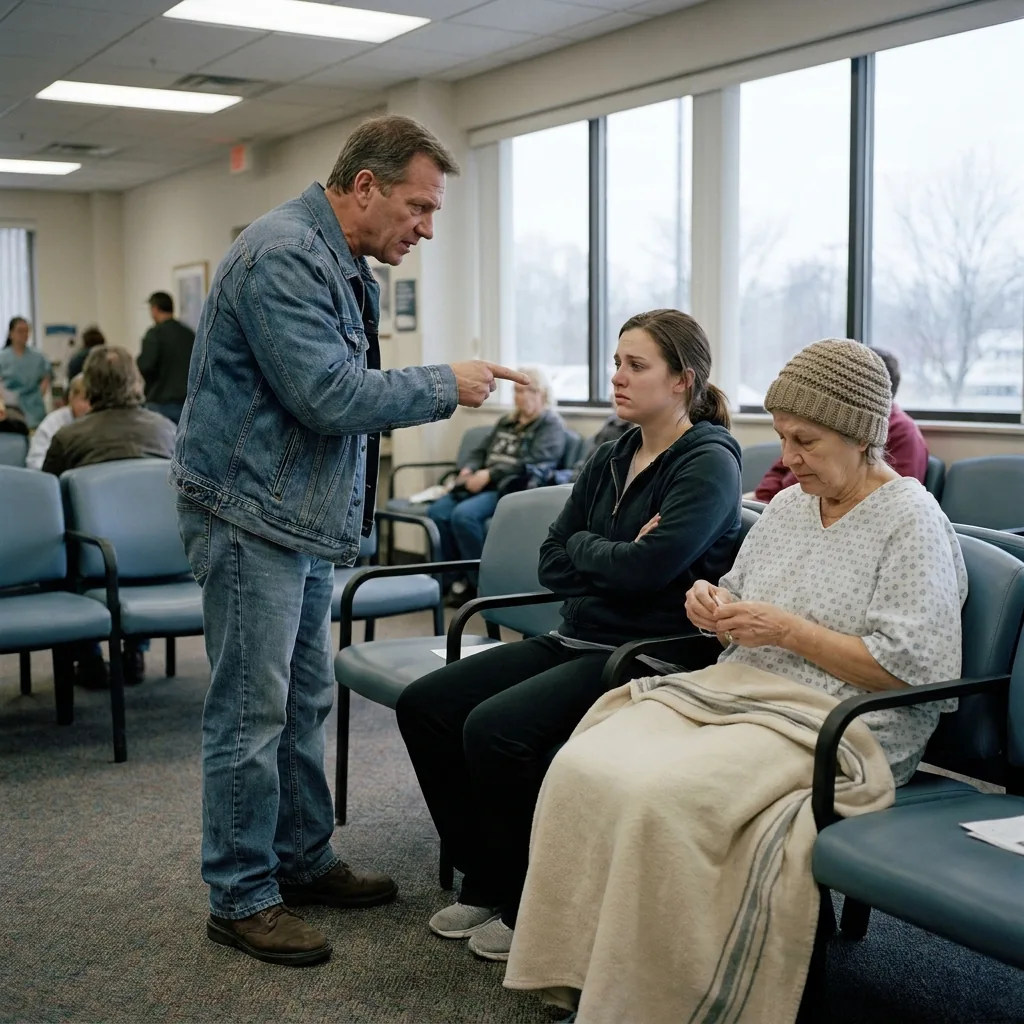
Evan Mercer pointed at his sister’s bare wrist in the transplant waiting room and said, loud enough for every family under the TV to hear, that a daughter who refused her mother had no right to sit there asking for updates. Coffee cups stopped halfway up. A phone charging by the wall outlet swung when somebody turned too fast. Dana Mercer stayed beside a row of blue vinyl chairs with an overstuffed tote at her feet while her brother kept using the donor bracelet in his hand like it was a badge and a verdict at the same time. Mara had come in before sunrise with her cousin and had been watching the room settle into the usual hospital rhythm-paper cups, visitor stickers, people staring at the hallway doors every time the latch clicked. The Mercer family had not settled. They had spread across four chairs and one side table, with a cardigan draped over the armrest and parking stubs poking out of Dana’s tote like folded little flags. Dana did not match Evan’s volume. She kept one hand on the strap of her bag and the other near her own wrist, touching bare skin every time he lifted the bracelet again. “You don’t get to say you love Mom and then step back when it matters,” Evan said. “You either do everything you can, or you admit what kind of daughter you are.” One of the older relatives near the window gave a quick nod without speaking. Another looked down at her coffee. Mrs. Jean Holloway, who had been folding and refolding her visitor sticker, stopped moving her hands and watched. Dana said, very evenly, “Lower your voice.” “No,” Evan said. He took half a step so he was facing the room instead of just her. “No, because everybody treats this like it’s complicated when it isn’t. If your mother needs an organ and you’re family, you don’t hesitate. You don’t make excuses. You don’t sit here acting tired. You step up.” Mara noticed the word acting, because Dana’s clothes were plain work clothes with a crease still pressed into one pant leg, the kind that said she had come straight from somewhere else. The tote beside her looked heavy enough to pull her shoulder down. Receipts and parking slips were wedged around a notebook and a bottle of water. Dana looked once toward the transplant floor doors when an announcement crackled overhead. Nothing opened. She looked back at Evan and said, “I’ve been here all week.” “That’s not what anybody asked,” he shot back. “Being here isn’t the same as doing what needs to be done.” He held up the green donor bracelet again. It looked like the kind sold for a fundraiser, silicone worn shiny at the edges. White letters wrapped around it. Mara could not read the whole thing from her seat, only DONOR and LIFE when he turned his wrist. Evan said, “People wear this because they mean it. It means something. It means you don’t pick and choose when sacrifice is convenient.” The word convenient drew a small sound from one of the women by the vending alcove, not quite a gasp, more like a breath pulled in and stopped there. Dana bent and picked up her tote, then set it back down without leaving. “I’m not doing this with an audience.” “You already did,” Evan said. “The second you said no.” A nurse came through from the check-in desk with a clipboard tucked against her hip. Her badge said ROSA ALVAREZ. She did not hurry, but she moved with the direct path of somebody who had interrupted too many waiting-room scenes to waste steps on them. “Family for Linda Mercer,” she said. “If you need to talk, take it down a level.” Evan turned to her as if he had been waiting for an official set of ears. “I’m talking because my sister is refusing to help our mother.” Rosa did not answer that. She looked at Dana, then Evan, then the bracelet. “If you’re blocking the aisle, move your things in.” Dana pulled the tote closer with her shoe. Evan let out a short laugh without smiling. “This is exactly what I mean,” he said to the room. “Everybody gets so polite they forget there’s right and wrong. If you call yourself family, there is no opting out. No exceptions.” Rosa kept the clipboard at chest height. “Sir, this is a transplant floor waiting area, not a debate club.” But even that did not fully stop him. He lowered his voice by maybe one notch and went right on, which somehow made the words carry farther. “She can say whatever she wants,” he said. “But if she thinks she has the right to refuse and still sit here collecting sympathy, she doesn’t. Not after everything Mom did for us. Not if she’s going to hide behind technicalities.” Dana’s chin lifted a fraction. “What technicalities?” Evan spread his hands. “The kind people use when they don’t want to sacrifice but still want to look decent.” That was the first time Mara saw Dana’s expression change at all. Not much. Just a pause, and then her eyes moved from his face to the bracelet in his hand and back again, as if lining up two details that had not been side by side until that moment. Rosa glanced down at her clipboard. “Who is listed as staying available for the next coordinator check-in?” “I am,” Dana said. “I am too,” Evan said quickly. Rosa gave a small nod and moved on toward the desk, leaving the room quieter than before but not at rest. Evan seized the silence. “Good,” he said. “Then let everybody hear this clearly. If you believe in being a donor, if you wear the bracelet, if you call yourself family, then when the time comes, you do it. No excuses. And if you won’t, you should be ashamed to even stand here.” Nobody answered him. Dana looked at the bracelet.
Evan Mercer pointed at his sister’s bare wrist in the transplant waiting room and said, loud enough for every family under the TV to hear, that a daughter who refused her mother had no right to sit there asking for updates. Coffee cups stopped halfway up. A phone charging by the wall outlet swung when somebody turned too fast. Dana Mercer stayed beside a row of blue vinyl chairs with an overstuffed tote at her feet while her brother kept using the donor bracelet in his hand like it was a badge and a verdict at the same time. Mara had come in before sunrise with her cousin and had been watching the room settle into the usual hospital rhythm-paper cups, visitor stickers, people staring at the hallway doors every time the latch clicked. The Mercer family had not settled. They had spread across four chairs and one side table, with a cardigan draped over the armrest and parking stubs poking out of Dana’s tote like folded little flags. Dana did not match Evan’s volume. She kept one hand on the strap of her bag and the other near her own wrist, touching bare skin every time he lifted the bracelet again. “You don’t get to say you love Mom and then step back when it matters,” Evan said. “You either do everything you can, or you admit what kind of daughter you are.” One of the older relatives near the window gave a quick nod without speaking. Another looked down at her coffee. Mrs. Jean Holloway, who had been folding and refolding her visitor sticker, stopped moving her hands and watched. Dana said, very evenly, “Lower your voice.” “No,” Evan said. He took half a step so he was facing the room instead of just her. “No, because everybody treats this like it’s complicated when it isn’t. If your mother needs an organ and you’re family, you don’t hesitate. You don’t make excuses. You don’t sit here acting tired. You step up.” Mara noticed the word acting, because Dana’s clothes were plain work clothes with a crease still pressed into one pant leg, the kind that said she had come straight from somewhere else. The tote beside her looked heavy enough to pull her shoulder down. Receipts and parking slips were wedged around a notebook and a bottle of water. Dana looked once toward the transplant floor doors when an announcement crackled overhead. Nothing opened. She looked back at Evan and said, “I’ve been here all week.” “That’s not what anybody asked,” he shot back. “Being here isn’t the same as doing what needs to be done.” He held up the green donor bracelet again. It looked like the kind sold for a fundraiser, silicone worn shiny at the edges. White letters wrapped around it. Mara could not read the whole thing from her seat, only DONOR and LIFE when he turned his wrist. Evan said, “People wear this because they mean it. It means something. It means you don’t pick and choose when sacrifice is convenient.” The word convenient drew a small sound from one of the women by the vending alcove, not quite a gasp, more like a breath pulled in and stopped there. Dana bent and picked up her tote, then set it back down without leaving. “I’m not doing this with an audience.” “You already did,” Evan said. “The second you said no.” A nurse came through from the check-in desk with a clipboard tucked against her hip. Her badge said ROSA ALVAREZ. She did not hurry, but she moved with the direct path of somebody who had interrupted too many waiting-room scenes to waste steps on them. “Family for Linda Mercer,” she said. “If you need to talk, take it down a level.” Evan turned to her as if he had been waiting for an official set of ears. “I’m talking because my sister is refusing to help our mother.” Rosa did not answer that. She looked at Dana, then Evan, then the bracelet. “If you’re blocking the aisle, move your things in.” Dana pulled the tote closer with her shoe. Evan let out a short laugh without smiling. “This is exactly what I mean,” he said to the room. “Everybody gets so polite they forget there’s right and wrong. If you call yourself family, there is no opting out. No exceptions.” Rosa kept the clipboard at chest height. “Sir, this is a transplant floor waiting area, not a debate club.” But even that did not fully stop him. He lowered his voice by maybe one notch and went right on, which somehow made the words carry farther. “She can say whatever she wants,” he said. “But if she thinks she has the right to refuse and still sit here collecting sympathy, she doesn’t. Not after everything Mom did for us. Not if she’s going to hide behind technicalities.” Dana’s chin lifted a fraction. “What technicalities?” Evan spread his hands. “The kind people use when they don’t want to sacrifice but still want to look decent.” That was the first time Mara saw Dana’s expression change at all. Not much. Just a pause, and then her eyes moved from his face to the bracelet in his hand and back again, as if lining up two details that had not been side by side until that moment. Rosa glanced down at her clipboard. “Who is listed as staying available for the next coordinator check-in?” “I am,” Dana said. “I am too,” Evan said quickly. Rosa gave a small nod and moved on toward the desk, leaving the room quieter than before but not at rest. Evan seized the silence. “Good,” he said. “Then let everybody hear this clearly. If you believe in being a donor, if you wear the bracelet, if you call yourself family, then when the time comes, you do it. No excuses. And if you won’t, you should be ashamed to even stand here.” Nobody answered him. Dana looked at the bracelet.