Story code: ST-000529
Part 1: He Said She Didn’t Count
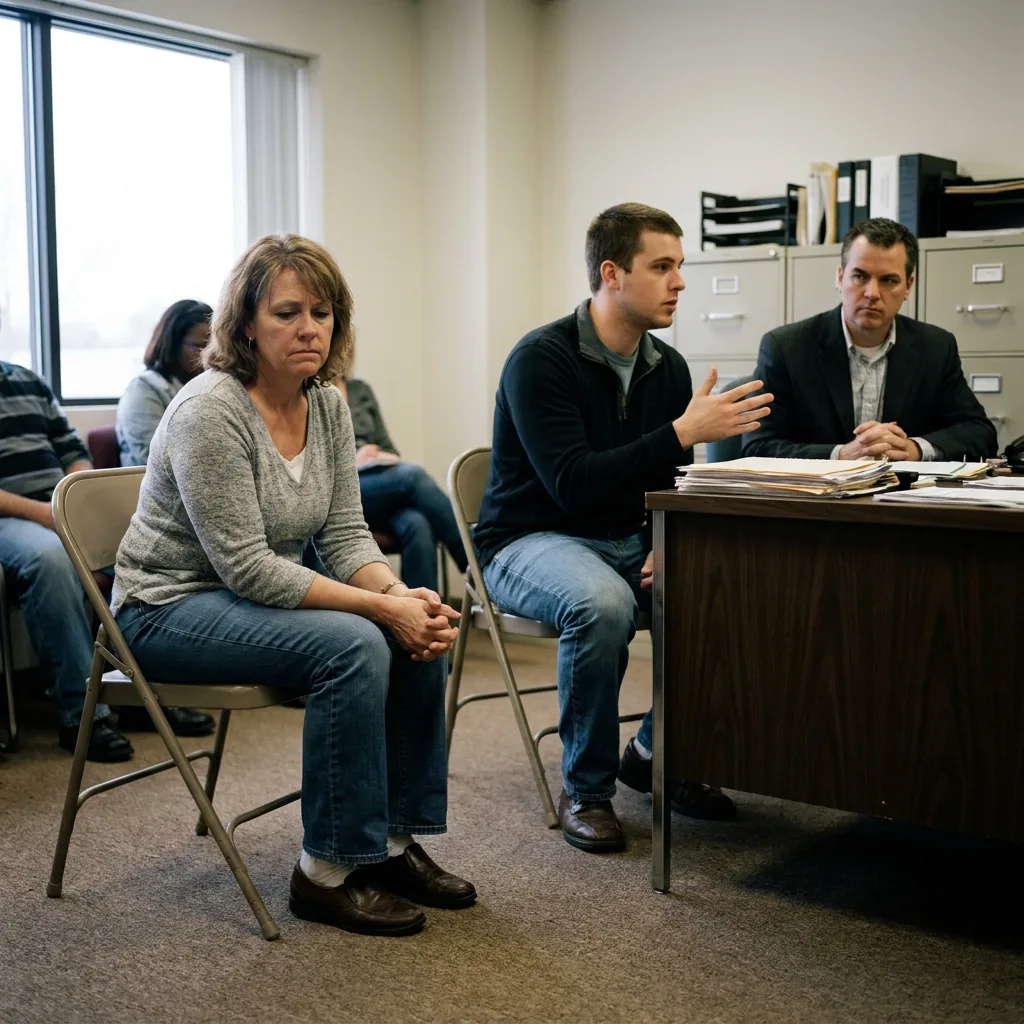
“She doesn’t count. She’s not really family for this,” the brother said loud enough for three waiting families to hear, right there between the plastic chairs and my intake counter while a collection envelope with their dead mother’s name kept sliding under his hand. His sister stayed standing beside the extra chair I had pulled out for her, and when our counselor looked at him instead of her, you could feel the whole room accept his version for one ugly second.
I work front desk at a nonprofit credit counseling office, so I hear more family business than anyone plans to share. On group-intake mornings, the waiting area never fully turns private. Someone is always tapping a pen against a clipboard, somebody’s kid is kicking chair legs, the copier is spitting out packets, and every time I call a name, five other people stop pretending not to listen.
That morning I had already checked in the Alvarez family for an inherited debt intake tied to their late mother. Marco Alvarez handed me the envelope first. He kept two fingers pressed on it even after I reached for the sign-in sheet, like the paper mattered more than the appointment. Nina Alvarez gave me her ID without a speech, tucked it back into a worn zip wallet, and stayed near the chair closest to the open intake area. An older woman, Gloria Alvarez, sat off to the side holding her purse with both hands and following the envelope with her eyes.
When Denise Harper came out to gather the next family, she used her usual clipped voice. “Alvarez family, if you’re all here, bring your packet and we’ll start with who is speaking for the account.”
Marco stood up first. Nina moved with him. That was when he put his forearm across the top of the envelope and said, “No, she’s not part of this. She’s not really family for this matter.”
The room changed in the way public rooms do when somebody says something cruel with confidence. Pens stopped moving. A man by the brochure rack looked over his reading glasses. Gloria opened her mouth, then shut it when Marco kept going.
“She shouldn’t be included in any discussion,” he said to Denise. “This is between actual family.”
Nina didn’t raise her voice. “I’m his sister.”
Marco gave a short, sharp laugh through his nose and looked at Denise, not at Nina. “No. She doesn’t count here. Please don’t complicate this.”
That word count hung in the room harder than if he had shouted. Denise had one hand on the intake packet and one hand on the consultation-room door. I watched her do what staff do when one person seems to control the papers: she angled her body toward him.
“For confidentiality,” she said, “I do need to know who is immediate family and who will be participating.”
“Me,” Marco said right away. He lifted the collection envelope a little. “I’m handling my mother’s debt.”
Nina was still standing. She had not reached for the chair. She kept one hand on her zip wallet and said, very even, “You told me to come.”
Marco cut across her. “I told you to drop something off. That’s different.”
I had seen that move before, not this exact family but the same shape of it: one person setting the definition out loud and expecting the room to hold it for them. Denise looked between them once, then back to the envelope.
“If she’s not participating,” Denise said, “she can wait outside the consultation area.”
Outside the consultation area in our office is still only six feet away. There is no real outside once a scene starts. Nina glanced at the row of chairs, then at Marco’s hand over the envelope. Gloria shifted in her seat and said, softly at first, “Marco-”
He cut her off without turning. “Tia Gloria, please. Not now.”
That made two people in the room flinch, because family titles have a way of proving connections even while someone is trying to erase one. Nina heard it too, but she did not pounce on it. She only asked Denise, “Can I answer one question before I’m told to move?”
Denise kept her face professional, but she did not say yes right away. “If it’s relevant.”
Nina nodded toward the envelope. “Ask him whose house key used to be attached to the green tag from our mother’s back door.”
It was the first time anyone had said something specific instead of broad. Marco’s grip changed. Not much, just enough for me to see his thumb press harder into the paper. Gloria looked up fast, and the man at the brochure rack stopped pretending to read entirely.
Denise frowned. “I don’t understand.”
Nina slipped two fingers into her zip wallet and touched something inside without pulling it out. “He does,” she said. “And if I don’t count, he can say that in front of everybody after he answers it.”
Marco spoke too quickly. “This is ridiculous. We’re here about debt, not old keys.”
Nina finally looked straight at Denise. “Then why did he tell me to bring the one thing from our mother’s house he knew I kept?”
Marco’s hand jerked over the envelope so fast he nearly bent the corner, and that was where Part 1 of that intake really began.
“She doesn’t count. She’s not really family for this,” the brother said loud enough for three waiting families to hear, right there between the plastic chairs and my intake counter while a collection envelope with their dead mother’s name kept sliding under his hand. His sister stayed standing beside the extra chair I had pulled out for her, and when our counselor looked at him instead of her, you could feel the whole room accept his version for one ugly second.
I work front desk at a nonprofit credit counseling office, so I hear more family business than anyone plans to share. On group-intake mornings, the waiting area never fully turns private. Someone is always tapping a pen against a clipboard, somebody’s kid is kicking chair legs, the copier is spitting out packets, and every time I call a name, five other people stop pretending not to listen.
That morning I had already checked in the Alvarez family for an inherited debt intake tied to their late mother. Marco Alvarez handed me the envelope first. He kept two fingers pressed on it even after I reached for the sign-in sheet, like the paper mattered more than the appointment. Nina Alvarez gave me her ID without a speech, tucked it back into a worn zip wallet, and stayed near the chair closest to the open intake area. An older woman, Gloria Alvarez, sat off to the side holding her purse with both hands and following the envelope with her eyes.
When Denise Harper came out to gather the next family, she used her usual clipped voice. “Alvarez family, if you’re all here, bring your packet and we’ll start with who is speaking for the account.”
Marco stood up first. Nina moved with him. That was when he put his forearm across the top of the envelope and said, “No, she’s not part of this. She’s not really family for this matter.”
The room changed in the way public rooms do when somebody says something cruel with confidence. Pens stopped moving. A man by the brochure rack looked over his reading glasses. Gloria opened her mouth, then shut it when Marco kept going.
“She shouldn’t be included in any discussion,” he said to Denise. “This is between actual family.”
Nina didn’t raise her voice. “I’m his sister.”
Marco gave a short, sharp laugh through his nose and looked at Denise, not at Nina. “No. She doesn’t count here. Please don’t complicate this.”
That word count hung in the room harder than if he had shouted. Denise had one hand on the intake packet and one hand on the consultation-room door. I watched her do what staff do when one person seems to control the papers: she angled her body toward him.
“For confidentiality,” she said, “I do need to know who is immediate family and who will be participating.”
“Me,” Marco said right away. He lifted the collection envelope a little. “I’m handling my mother’s debt.”
Nina was still standing. She had not reached for the chair. She kept one hand on her zip wallet and said, very even, “You told me to come.”
Marco cut across her. “I told you to drop something off. That’s different.”
I had seen that move before, not this exact family but the same shape of it: one person setting the definition out loud and expecting the room to hold it for them. Denise looked between them once, then back to the envelope.
“If she’s not participating,” Denise said, “she can wait outside the consultation area.”
Outside the consultation area in our office is still only six feet away. There is no real outside once a scene starts. Nina glanced at the row of chairs, then at Marco’s hand over the envelope. Gloria shifted in her seat and said, softly at first, “Marco-”
He cut her off without turning. “Tia Gloria, please. Not now.”
That made two people in the room flinch, because family titles have a way of proving connections even while someone is trying to erase one. Nina heard it too, but she did not pounce on it. She only asked Denise, “Can I answer one question before I’m told to move?”
Denise kept her face professional, but she did not say yes right away. “If it’s relevant.”
Nina nodded toward the envelope. “Ask him whose house key used to be attached to the green tag from our mother’s back door.”
It was the first time anyone had said something specific instead of broad. Marco’s grip changed. Not much, just enough for me to see his thumb press harder into the paper. Gloria looked up fast, and the man at the brochure rack stopped pretending to read entirely.
Denise frowned. “I don’t understand.”
Nina slipped two fingers into her zip wallet and touched something inside without pulling it out. “He does,” she said. “And if I don’t count, he can say that in front of everybody after he answers it.”
Marco spoke too quickly. “This is ridiculous. We’re here about debt, not old keys.”
Nina finally looked straight at Denise. “Then why did he tell me to bring the one thing from our mother’s house he knew I kept?”
Marco’s hand jerked over the envelope so fast he nearly bent the corner, and that was where Part 1 of that intake really began.