Story code: ST-000647
Part 1: He Brought a Postcard From the Future
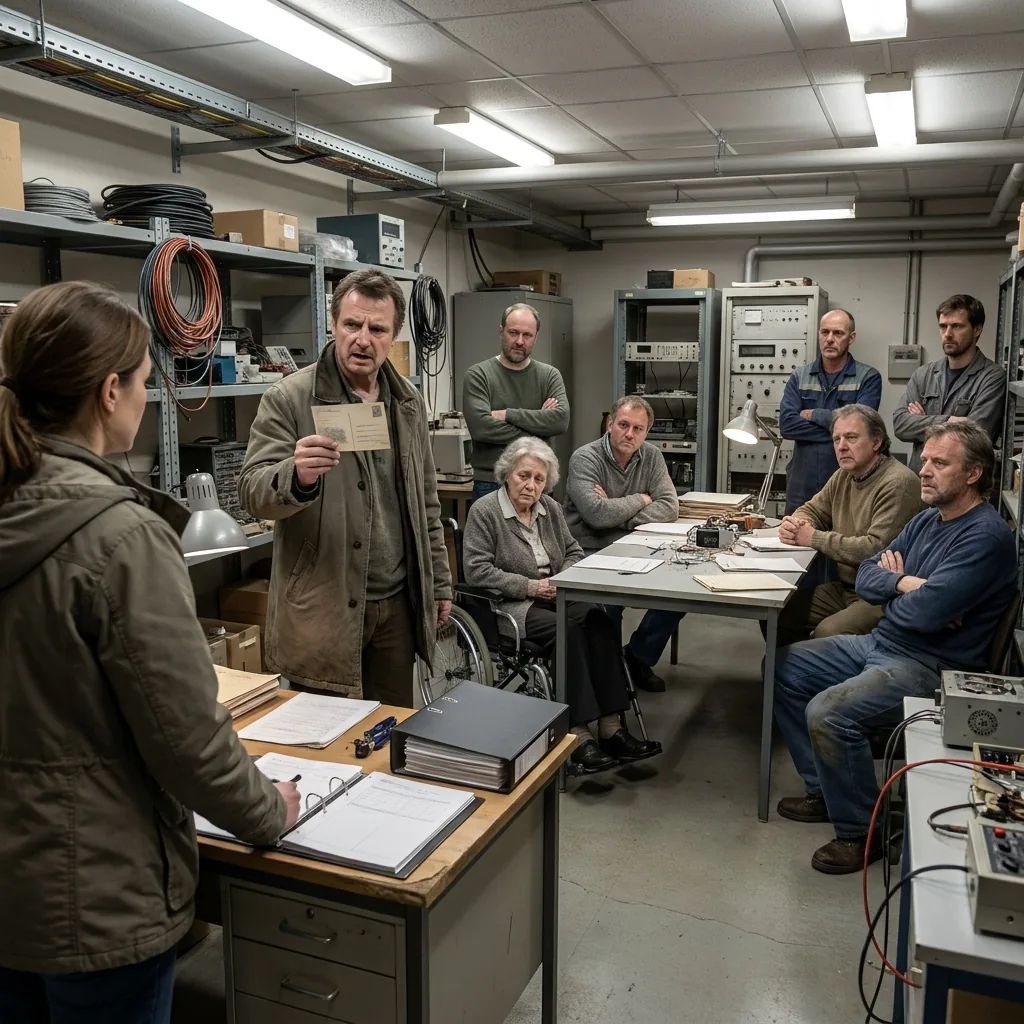
My cousin walked into our physics basement carrying a bent postcard and told a room full of people that I had turned caring for his mother into a power trip. I was standing by the old cryogenics cage with a medication tray in one hand and the basement key ring in the other while volunteers sorted cables and folded chairs, and he said, loud enough for everybody near the whiteboard circle to hear, that I was the reason his mother had no peace. Then he held up a postcard dated three years ahead and said even the future knew what I did.
Nobody in that room needed a speech to know what that hit meant. I was the one who opened the basement, checked the tea urn, copied the whiteboard schedule over from my paper notes, and kept Lydia’s timing straight when support night ran long. If somebody needed the blood pressure cuff, or the evening dose, or the spare sweater from the crate under the back table, they asked me because I was already moving toward it.
Evan looked older than the last time I saw him. His jacket was wrinkled, one sleeve dark with grime, and his beard had grown in unevenly like he had stopped halfway through shaving days ago. But he came in with his chin high and that postcard pinched between two fingers like he had walked through the door carrying a verdict.
“Read it,” he said.
He did not hand it to me first. He handed it to Nia Brooks, who had been stacking folding chairs beside the whiteboard. She glanced at the front, then the back, then looked across the room at me so fast I could see the change happen right there in her face. Not apology. Not certainty. Just that quick public shift people make when they think they might have missed something ugly.
“It says, ‘If Mara keeps control of her schedule, she’ll call it care all the way to the end,'” Nia read. Her voice got quieter on the last words. In the top corner, under the stamp, she read the date out loud too.
The year landed first. A couple people stopped moving chairs. Somebody at the tea urn let the metal spoon hit the table. Dr. Ben Ortega looked up from a power strip he was taping down and stayed still.
Evan finally looked at me. “You kept the keys, the meds, the rides, the calls. You made helping my mom depend on going through you. You always called it organization. You always had a reason.”
Lydia was sitting in the padded chair we kept closest to the back table because the walk from the elevator tired her out by the end of the day. She had her blanket over her knees. At Evan’s voice, she turned toward him, then back toward me when I set the tray down. That was all I had time to notice before three different people started watching me instead of the schedule.
“Her six o’clock dose is due in four minutes,” I said.
That made Evan laugh once through his nose. “There. Exactly. Everything is a system with you.”
I clipped the key ring to my belt loop and checked Lydia’s water cup. “If you want to help, wash your hands and come hold the cup steady.” My voice came out flat enough to carry.
He did not move toward the sink.
Instead he took the postcard back from Nia and stepped into the open space by the folding-chair circle like he needed the whole room. “I disappeared and came back to stop this,” he said. “You all think she’s devoted because she’s always busy. Busy doesn’t mean kind. Busy doesn’t mean safe.”
A few heads nodded before anybody asked him for one detail. That was the part that burned. People had watched me haul Lydia’s walker around extension cords and lab carts for months, but one future date on a postcard could tilt a room faster than all that visible work.
Dr. Ortega peeled tape from the roll with his thumbnail. “What exactly are you asking for, Evan?”
“For her to stop controlling access to my mother,” he said. “For somebody else to take the keys and the log. Tonight.”
There it was. Not just blame. Handoff.
I reached for the clipboard clipped to the supply crate beside the medication tray. The paper care log had three columns I updated every support night: time, task, handoff. I had written on it so often the top sheet bowed at the corners. I kept my hand on it and looked at Evan instead.
“You want the keys? Fine. Tell me her current evening order,” I said. “Not your speech. The order. Tea or pills first, which cup, and what she does if the fluorescent hum starts getting to her.”
His mouth opened, then shut.
Nia stopped stacking chairs. One of the volunteers near the shelf of spare blankets turned all the way around.
Lydia lifted two fingers off her blanket and tapped the arm of her chair, once, then twice, the way she did when the room got too loud.
I picked up her water cup and lowered my voice for her, not for him. “We’re on time.”
Evan stepped closer and raised the postcard again. “You can dodge with routines all you want. This says where your control leads.”
“That card says a sentence,” I said. “This log says who was actually here.”
He looked at the clipboard then, and for the first time since he walked in, his words came a beat late.
Because the page clipped to that crate had his name on it too, and not where he needed it to be.
My cousin walked into our physics basement carrying a bent postcard and told a room full of people that I had turned caring for his mother into a power trip. I was standing by the old cryogenics cage with a medication tray in one hand and the basement key ring in the other while volunteers sorted cables and folded chairs, and he said, loud enough for everybody near the whiteboard circle to hear, that I was the reason his mother had no peace. Then he held up a postcard dated three years ahead and said even the future knew what I did.
Nobody in that room needed a speech to know what that hit meant. I was the one who opened the basement, checked the tea urn, copied the whiteboard schedule over from my paper notes, and kept Lydia’s timing straight when support night ran long. If somebody needed the blood pressure cuff, or the evening dose, or the spare sweater from the crate under the back table, they asked me because I was already moving toward it.
Evan looked older than the last time I saw him. His jacket was wrinkled, one sleeve dark with grime, and his beard had grown in unevenly like he had stopped halfway through shaving days ago. But he came in with his chin high and that postcard pinched between two fingers like he had walked through the door carrying a verdict.
“Read it,” he said.
He did not hand it to me first. He handed it to Nia Brooks, who had been stacking folding chairs beside the whiteboard. She glanced at the front, then the back, then looked across the room at me so fast I could see the change happen right there in her face. Not apology. Not certainty. Just that quick public shift people make when they think they might have missed something ugly.
“It says, ‘If Mara keeps control of her schedule, she’ll call it care all the way to the end,'” Nia read. Her voice got quieter on the last words. In the top corner, under the stamp, she read the date out loud too.
The year landed first. A couple people stopped moving chairs. Somebody at the tea urn let the metal spoon hit the table. Dr. Ben Ortega looked up from a power strip he was taping down and stayed still.
Evan finally looked at me. “You kept the keys, the meds, the rides, the calls. You made helping my mom depend on going through you. You always called it organization. You always had a reason.”
Lydia was sitting in the padded chair we kept closest to the back table because the walk from the elevator tired her out by the end of the day. She had her blanket over her knees. At Evan’s voice, she turned toward him, then back toward me when I set the tray down. That was all I had time to notice before three different people started watching me instead of the schedule.
“Her six o’clock dose is due in four minutes,” I said.
That made Evan laugh once through his nose. “There. Exactly. Everything is a system with you.”
I clipped the key ring to my belt loop and checked Lydia’s water cup. “If you want to help, wash your hands and come hold the cup steady.” My voice came out flat enough to carry.
He did not move toward the sink.
Instead he took the postcard back from Nia and stepped into the open space by the folding-chair circle like he needed the whole room. “I disappeared and came back to stop this,” he said. “You all think she’s devoted because she’s always busy. Busy doesn’t mean kind. Busy doesn’t mean safe.”
A few heads nodded before anybody asked him for one detail. That was the part that burned. People had watched me haul Lydia’s walker around extension cords and lab carts for months, but one future date on a postcard could tilt a room faster than all that visible work.
Dr. Ortega peeled tape from the roll with his thumbnail. “What exactly are you asking for, Evan?”
“For her to stop controlling access to my mother,” he said. “For somebody else to take the keys and the log. Tonight.”
There it was. Not just blame. Handoff.
I reached for the clipboard clipped to the supply crate beside the medication tray. The paper care log had three columns I updated every support night: time, task, handoff. I had written on it so often the top sheet bowed at the corners. I kept my hand on it and looked at Evan instead.
“You want the keys? Fine. Tell me her current evening order,” I said. “Not your speech. The order. Tea or pills first, which cup, and what she does if the fluorescent hum starts getting to her.”
His mouth opened, then shut.
Nia stopped stacking chairs. One of the volunteers near the shelf of spare blankets turned all the way around.
Lydia lifted two fingers off her blanket and tapped the arm of her chair, once, then twice, the way she did when the room got too loud.
I picked up her water cup and lowered my voice for her, not for him. “We’re on time.”
Evan stepped closer and raised the postcard again. “You can dodge with routines all you want. This says where your control leads.”
“That card says a sentence,” I said. “This log says who was actually here.”
He looked at the clipboard then, and for the first time since he walked in, his words came a beat late.
Because the page clipped to that crate had his name on it too, and not where he needed it to be.