Story code: ST-001061
Part 3: The Digital Record
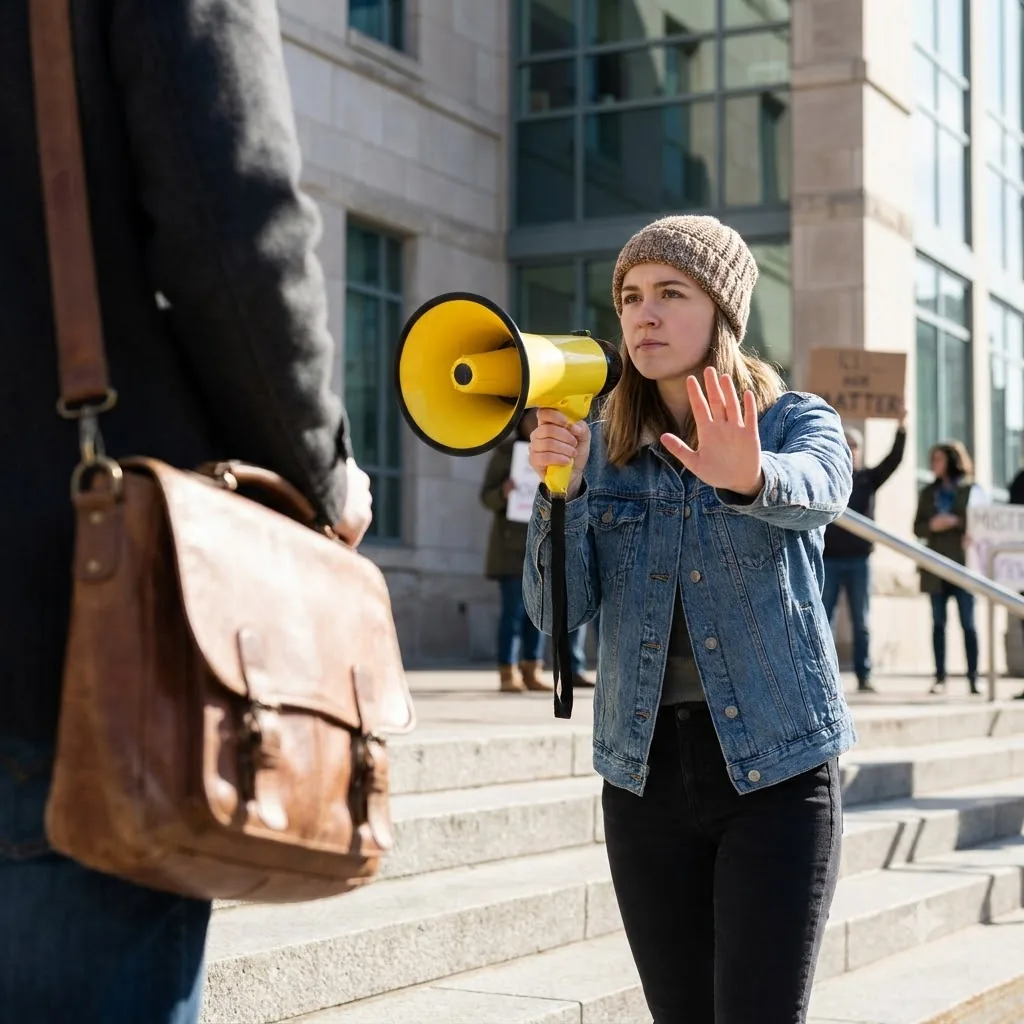
I reached into my leather satchel, my fingers brushing past the paper zoning reports until they found the edge of my municipal tablet. The device was connected to the city’s secure internal network. The afternoon sunlight glinted harshly off the screen as I pulled it out, forcing me to squint against the glare of the stone plaza.
“If you want physical evidence,” I said, my voice carrying clearly over the concrete steps, “we do not need to wait for a council archive to open.”
I unlocked the screen. With a few practiced taps, I navigated to the secure patient portal of Valley General Hospital. The interface loaded, displaying the official medical registry logo. I bypassed my general health records and brought up the certified admissions and discharge summary for the month of October.
I turned the tablet toward the news stringer. “Zoom in on the cryptographic seal at the top left of the document. That is the hospital’s verified digital signature.”
The camera operator stepped closer, the heavy lens hovering inches from my screen. The red recording light on the camera blinked steadily. On the screen, the dates were plain:
Patient: Thomas Vance.
Admission Date: October 13, 10:42 PM.
Procedure: Emergency Appendectomy, October 14, 2:15 AM.
Discharge Date: October 16, 11:30 AM.
“And here,” I said, tapping the split-screen option to open the municipal server log, “is the city database registry. The entire planning department server was offline for scheduled holiday maintenance on October 14th. No digital signatures could be processed, and no variances could be uploaded.”
The stringer looked up from his viewfinder, his brow furrowing as he studied the screen. “This is a live connection? Not a static image?”
“Refresh the portal yourself,” I said, holding the tablet out to him.
He reached out, his thumb swiping down on the screen. The loading icon spun for a brief moment, then populated the exact same medical certification with the live time-stamp at the bottom.
The murmurs in the crowd changed. The aggressive demands for my resignation died down, replaced by uneasy whispering among the bystanders. People who had been recording me with their smartphones slowly lowered their hands, their eyes shifting between the massive canvas banner and the digital record on my tablet.
Maya’s face paled, though she kept the yellow megaphone raised near her chest. Her fingers gripped the plastic handle so tightly her knuckles turned white. “It’s a distraction!” she cried out, her voice cracking slightly through the static of the speaker. “Even if the date is off, the collusion is real! He is using a clerical error to escape accountability!”
“It is not a clerical error, Maya,” I said, taking a step up the stone stairs to stand on her level. “It is the foundation of your accusation. You built an entire campaign around a specific day to frame me. If I was in a recovery room thirty miles away, under anesthesia, who signed the document you claim to have?”
The crowd was quiet now, waiting. The security guards at the top of the steps had stopped their advance, watching the exchange from the glass doors of the lobby.
“Show us the document, Maya,” the stringer said, turning his microphone toward her. “Do you have the signed variance with his signature dated the fourteenth?”
Maya did not move. Her eyes darted to the two activists holding the banner. They looked back at her, their arms visibly shaking under the weight of the stiff canvas. The pressure on the steps had shifted entirely, the initial outrage of the crowd collapsing into curious observation.
“We have… we have the public filings,” Maya stammered, her defensive speech style slipping as she lowered the megaphone. “The dates were verified by our research team.”
“Your research team is you,” I said quietly, reaching back into my satchel. “I know the IP address that uploaded the alleged draft variance to your group’s website. It belongs to the router in your living room. You wrote the timeline yourself, Maya.”
She took a step back, the megaphone dropping to her side. The realization that her public narrative was crumbling was written in the sudden rigidity of her posture.