Story code: ST-000383
Part 1: My Brother Used a Word He Never Uses
My brother used the witness microphone in the bioethics hearing room to accuse me of trying to “override the freezer custody recipient,” and half the room looked at me like I had just reached into a sample freezer with my bare hands. He said it while people were still flipping through their printed agendas and lining up their water cups, and the worst part was that Eli does not talk like that. He especially does not talk like that about our family.
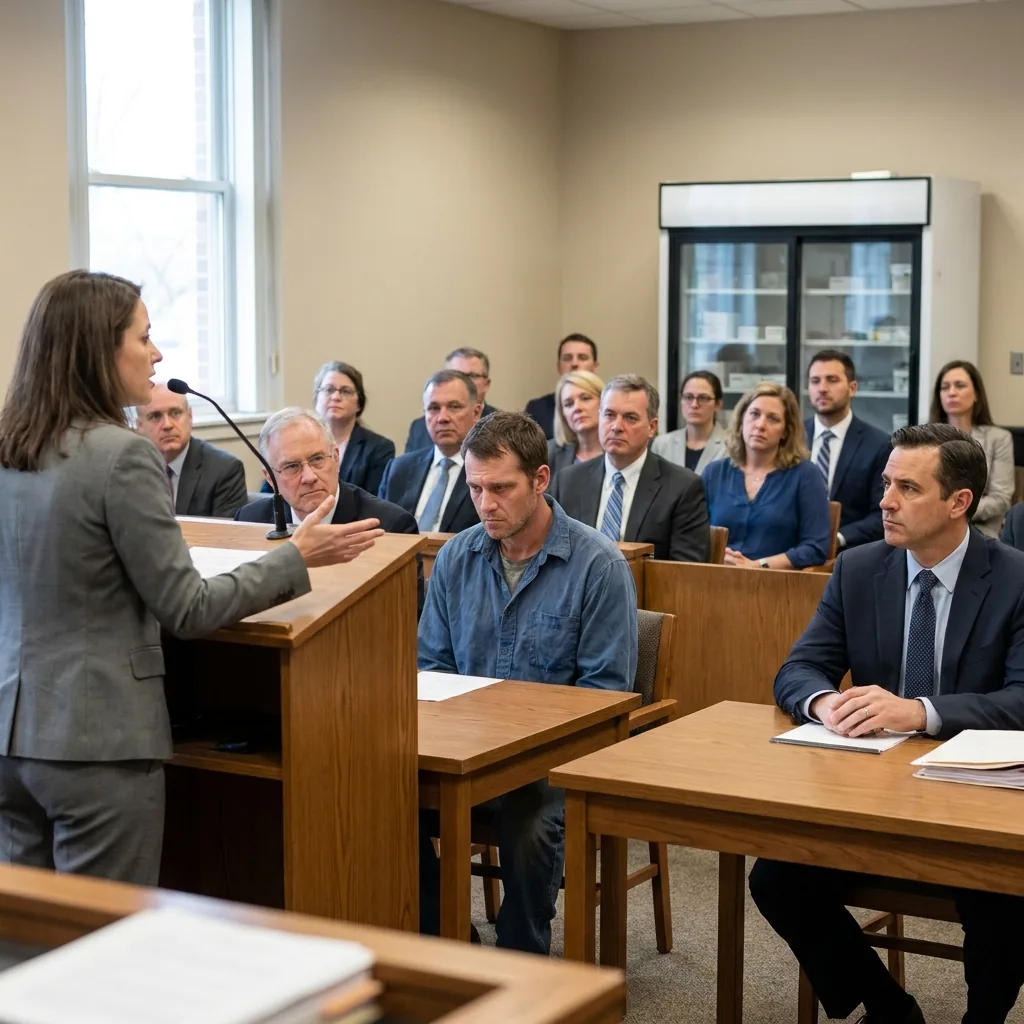
I was already seated at the side table under my name placard when Dr. Miriam Sloane called the hearing to order. The room was one of those dry, overlit conference spaces dressed up to sound humane because the sign outside said COMMUNITY BIOETHICS OVERSIGHT PANEL in brushed metal. There was a witness table facing the panel, a second row behind it for observers, and a wall monitor showing the case title about clone sponsorship status and biological sample custody. Dr. Vanessa Creed sat in the front observer row with her procedural packet squared to the edge of her chair, like she was attending a donor luncheon instead of a hearing over access to samples tied to my family.
I came expecting to answer questions about whether I had objected to a sponsorship renewal. I did object. I had said Dr. Creed should not keep using our family as the public-facing story for a clone sponsorship program while treating the actual custody chain like private property. That was true, and I was prepared to say it cleanly.
What I was not prepared for was Eli standing when Dr. Sloane asked for third-party testimony and delivering a sentence that sounded like it had been typed for him.
“My sister has been trying to override the freezer custody recipient so she can isolate the sample line from sponsor review,” he said.
It stopped me so hard I forgot to uncap my pen.
Eli had on the same brown jacket he wears to funerals and hearings and any place where he wants to look more responsible than he feels. He kept one hand flat on the witness table while he spoke, like he was pinning himself there. He did not look at me until the very end, and even then it was a quick glance, more checking than connecting.
Dr. Sloane leaned slightly toward him. “You understand you are speaking from personal knowledge?”
“Yes,” he said fast. “I do.”
That one statement did the damage. I could feel it in the room without inventing anything. Two panel members looked down at their packets and started writing. Someone behind me let out a soft breath through their nose. Dr. Creed stayed still, hands folded over her agenda, eyes on the table instead of on me.
I clicked my pen open and forced myself to write the exact phrase: override the freezer custody recipient.
The phrase itself was ugly enough. It made me sound like I had tried to tamper with some protected process around the sample freezer at the center of the dispute. But that was not what caught in my ear.
Recipient.
Not account. Not custodian. Not access holder. Recipient.
It sat wrong the instant he said it.
I know my brother’s speech the way most people know the layout of their own kitchen. Eli says things plainly until he is angry, and then he gets repetitive. He does not suddenly become technical in public. He never once, in all the weeks this hearing had been hanging over us, used the phrase freezer custody recipient. He had asked me in the parking lot three days earlier whether “that freezer thing” was the same as badge access. That was Eli. What I had just heard at the microphone was not.
Dr. Sloane asked, “Mr. Bell, what specific act are you referring to when you say override?”
Eli swallowed. “Changing who gets to control it. The freezer custody recipient.”
He repeated it exactly, like he had been told not to deviate.
I raised my hand before I could overthink it. “Chair, I need the record to reflect that I dispute that wording and the factual basis under it.”
Dr. Sloane turned to me. “You will have an opportunity, Ms. Bell. For now, note your objection.”
So I did. I wrote objection beside the phrase, then underlined recipient twice.
The next ten minutes were a slow public bruise. Eli said I had been “pushing to separate the samples from sponsor review.” He said I had made things hostile. He said family members had been pressured. Each sentence landed because it came from him, not because it made sense. Borrowed words still hit hard when they come out of somebody you grew up with.
When Dr. Sloane asked if he had direct involvement with freezer operations, Eli said no. When she asked if he had ever handled chain-of-custody entries, he said no again. But the accusation was already sitting there on the record, polished and harmful.
I looked past him to Dr. Creed. She finally lifted her eyes, not to me, but to the witness table. Her expression did not move. Her packet stayed closed.
Then Dr. Sloane said, “We will need operations clarification before this panel assigns weight to that terminology. Mr. Ortiz, please remain available.”
Cal Ortiz, the operations witness, gave a short nod from the side row. He had a lanyard badge clipped to his belt and the stiff posture of somebody who had come to explain machines, not family betrayal.
I wrote the phrase a second time because I wanted to see if it looked any less wrong on paper.
It did not. If Eli really knew what he was talking about, he would not have used that word. And if he did not know what he was talking about, then somebody had put that word in his mouth for a reason.
I just did not know yet why “recipient” was the word they needed him to say.
My brother used the witness microphone in the bioethics hearing room to accuse me of trying to “override the freezer custody recipient,” and half the room looked at me like I had just reached into a sample freezer with my bare hands. He said it while people were still flipping through their printed agendas and lining up their water cups, and the worst part was that Eli does not talk like that. He especially does not talk like that about our family.
I was already seated at the side table under my name placard when Dr. Miriam Sloane called the hearing to order. The room was one of those dry, overlit conference spaces dressed up to sound humane because the sign outside said COMMUNITY BIOETHICS OVERSIGHT PANEL in brushed metal. There was a witness table facing the panel, a second row behind it for observers, and a wall monitor showing the case title about clone sponsorship status and biological sample custody. Dr. Vanessa Creed sat in the front observer row with her procedural packet squared to the edge of her chair, like she was attending a donor luncheon instead of a hearing over access to samples tied to my family.
I came expecting to answer questions about whether I had objected to a sponsorship renewal. I did object. I had said Dr. Creed should not keep using our family as the public-facing story for a clone sponsorship program while treating the actual custody chain like private property. That was true, and I was prepared to say it cleanly.
What I was not prepared for was Eli standing when Dr. Sloane asked for third-party testimony and delivering a sentence that sounded like it had been typed for him.
“My sister has been trying to override the freezer custody recipient so she can isolate the sample line from sponsor review,” he said.
It stopped me so hard I forgot to uncap my pen.
Eli had on the same brown jacket he wears to funerals and hearings and any place where he wants to look more responsible than he feels. He kept one hand flat on the witness table while he spoke, like he was pinning himself there. He did not look at me until the very end, and even then it was a quick glance, more checking than connecting.
Dr. Sloane leaned slightly toward him. “You understand you are speaking from personal knowledge?”
“Yes,” he said fast. “I do.”
That one statement did the damage. I could feel it in the room without inventing anything. Two panel members looked down at their packets and started writing. Someone behind me let out a soft breath through their nose. Dr. Creed stayed still, hands folded over her agenda, eyes on the table instead of on me.
I clicked my pen open and forced myself to write the exact phrase: override the freezer custody recipient.
The phrase itself was ugly enough. It made me sound like I had tried to tamper with some protected process around the sample freezer at the center of the dispute. But that was not what caught in my ear.
Recipient.
Not account. Not custodian. Not access holder. Recipient.
It sat wrong the instant he said it.
I know my brother’s speech the way most people know the layout of their own kitchen. Eli says things plainly until he is angry, and then he gets repetitive. He does not suddenly become technical in public. He never once, in all the weeks this hearing had been hanging over us, used the phrase freezer custody recipient. He had asked me in the parking lot three days earlier whether “that freezer thing” was the same as badge access. That was Eli. What I had just heard at the microphone was not.
Dr. Sloane asked, “Mr. Bell, what specific act are you referring to when you say override?”
Eli swallowed. “Changing who gets to control it. The freezer custody recipient.”
He repeated it exactly, like he had been told not to deviate.
I raised my hand before I could overthink it. “Chair, I need the record to reflect that I dispute that wording and the factual basis under it.”
Dr. Sloane turned to me. “You will have an opportunity, Ms. Bell. For now, note your objection.”
So I did. I wrote objection beside the phrase, then underlined recipient twice.
The next ten minutes were a slow public bruise. Eli said I had been “pushing to separate the samples from sponsor review.” He said I had made things hostile. He said family members had been pressured. Each sentence landed because it came from him, not because it made sense. Borrowed words still hit hard when they come out of somebody you grew up with.
When Dr. Sloane asked if he had direct involvement with freezer operations, Eli said no. When she asked if he had ever handled chain-of-custody entries, he said no again. But the accusation was already sitting there on the record, polished and harmful.
I looked past him to Dr. Creed. She finally lifted her eyes, not to me, but to the witness table. Her expression did not move. Her packet stayed closed.
Then Dr. Sloane said, “We will need operations clarification before this panel assigns weight to that terminology. Mr. Ortiz, please remain available.”
Cal Ortiz, the operations witness, gave a short nod from the side row. He had a lanyard badge clipped to his belt and the stiff posture of somebody who had come to explain machines, not family betrayal.
I wrote the phrase a second time because I wanted to see if it looked any less wrong on paper.
It did not. If Eli really knew what he was talking about, he would not have used that word. And if he did not know what he was talking about, then somebody had put that word in his mouth for a reason.
I just did not know yet why “recipient” was the word they needed him to say.