Story code: ST-000562
Part 4: Civil Matters
The copper taste of blood flooded my mouth. I shoved Elaine backward, my hands flat against her shoulders to break her grip. She stumbled over the neon orange line her husband had painted, her heels slipping on the grass. She caught her balance, chest heaving, her manicured hair wildly out of place. By the flatbed truck, the two contractors were already on their phones, pacing nervously as they stared at us.
The police arrived twenty minutes later. Two cruisers blocked the cul-de-sac, their lightbars flashing against the gray vinyl siding of my house. I sat on my front porch, pressing a bag of frozen peas against my throbbing jaw, while a bored-looking patrol officer listened to the audio on my phone. Across the property line, Elaine stood on her immaculate lawn, dabbing her eyes with a tissue and playing the traumatized neighbor for the second officer.
“Okay, so she admitted she doesn’t like your gun, and she grabbed you,” my officer said, handing my phone back. He didn’t look outraged. He looked tired. “I’m writing her a citation for simple battery. It’s a misdemeanor. You’ll get a court date in the mail.”
“A citation?” I stared at him, letting the frozen peas drop to my lap. “She just tried to extort me for my house. Listen to the recording again! She explicitly said she’s fabricating fines to steal my property because I carry a legal firearm.”
The officer sighed, hooking his thumbs into his duty belt. “Sir, I enforce the criminal code. Homeowner association disputes, property lines, deed restrictions-that’s all civil. I can’t arrest a woman for enforcing an HOA bylaw, even if she’s being vindictive about it. The battery is a minor criminal matter. The rest is a civil dispute. You need to hire a civil attorney.”
He walked away, leaving me sitting in the suffocating afternoon heat.
A civil attorney. I laughed, a harsh, dry sound that sent a sharp pain through my bruised jaw. I didn’t even have the hundred and fourteen dollars required to keep my water running.
By the next afternoon, the taps in my house hissed, sputtered brown water, and went completely dry. Sarah and I were forced to use gallon jugs of distilled water to wash our faces and flush the toilet. The reality of our financial collapse settled over the house like a thick, suffocating layer of dust.
I had thought the voice recording would be a silver bullet. I thought exposing Elaine’s true motive would somehow invalidate the neon green notice still sitting on my kitchen counter. I was violently wrong.
The HOA’s property management company didn’t care about a misdemeanor battery charge. When I emailed them the audio file, begging them to dismiss the violation, their automated system simply replied with a form letter: *All dispute evidence must be submitted during a formal grievance hearing.* And, as the bylaws dictated, a hearing could not be scheduled without depositing the five-hundred-dollar fine into their escrow account.
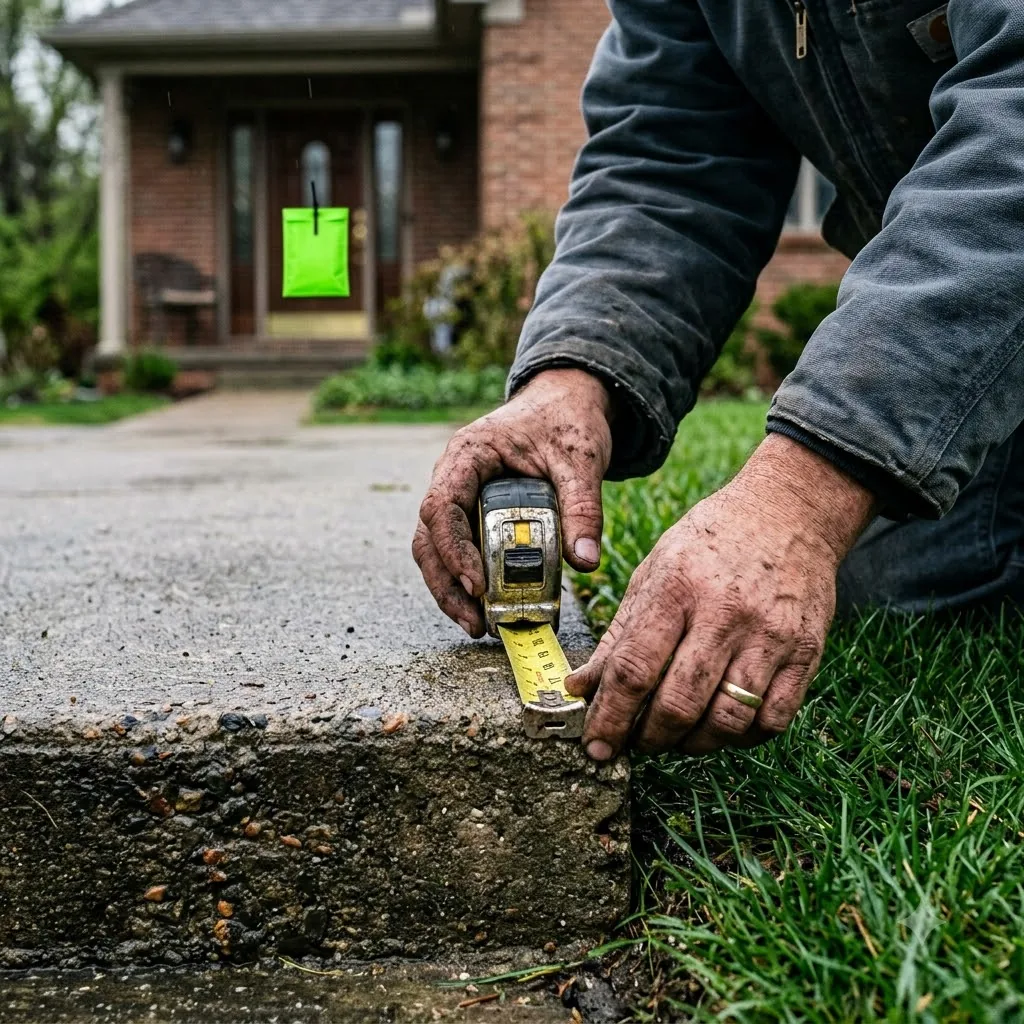
The trap snapped completely shut. Without the deposit, the daily penalties triggered just as the fine print promised. Ten dollars a day for the uncorrected driveway edging. Twenty dollars a day for the unpaid initial fine. Thirty dollars every twenty-four hours, compounding, relentless, and completely legal under the contract I had signed.
I tried calling lawyers. I sat in my sweltering living room-the air conditioning turned off to save whatever pennies we had left-dialing every civil litigation firm in the county. The answers I received were maddeningly identical.
*Yes, it sounds like retaliation,* one attorney told me over the phone. *No, the Constitution doesn’t protect you from private contracts. The Second Amendment restricts the government, not a private corporate entity like an HOA. You signed the Covenants, Conditions, and Restrictions when you bought the house. You waived certain rights. We require a five-thousand-dollar retainer just to file the initial injunction.*
I hung up the phone and stared at the blank television screen. I had traded my constitutional rights for access to a neighborhood pool and a paved sidewalk.
By day thirty, the fines had ballooned past fourteen hundred dollars. By day sixty, the HOA’s legal firm-paid for by my own monthly community dues-filed a formal civil lien against my deed.
The final blow didn’t come in the mail. It came via a process server. A sharp knock on the door, a man in a polo shirt handing me a thick manila envelope, and then his quiet, practiced walk back to his car.
*Notice of Intent to Foreclose.*
I stood in the entryway, tearing open the heavy legal packet. The association was moving to seize the property to satisfy the lien. In state civil court, their paperwork was flawless. They had a documented violation, a missed payment, and a legally binding contract authorizing foreclosure for unpaid assessments. Elaine’s motive didn’t exist on paper. The court would only see the numbers and my signature on the original deed.
Sarah came down the stairs, carrying an empty cardboard box. She didn’t ask what was in the envelope. The look on my face told her everything she needed to know. She just set the box on the hardwood floor and quietly started wrapping our framed photographs in newspaper.
I walked out the front door one last time. The neon orange line was still there, baked into the concrete, a permanent, blinding scar on the property I used to own. Next door, Elaine’s grass was vibrant and unnaturally green. Her sprinklers ticked rhythmically, spraying a fine mist over the perfect emerald blades. She was sitting on her porch, sipping iced tea. She didn’t wave. She didn’t smile. She just watched me with the calm, terrifying certainty of someone who knew that the system worked exactly as it was designed to.