Story code: ST-000602
Part 1: The Ledger
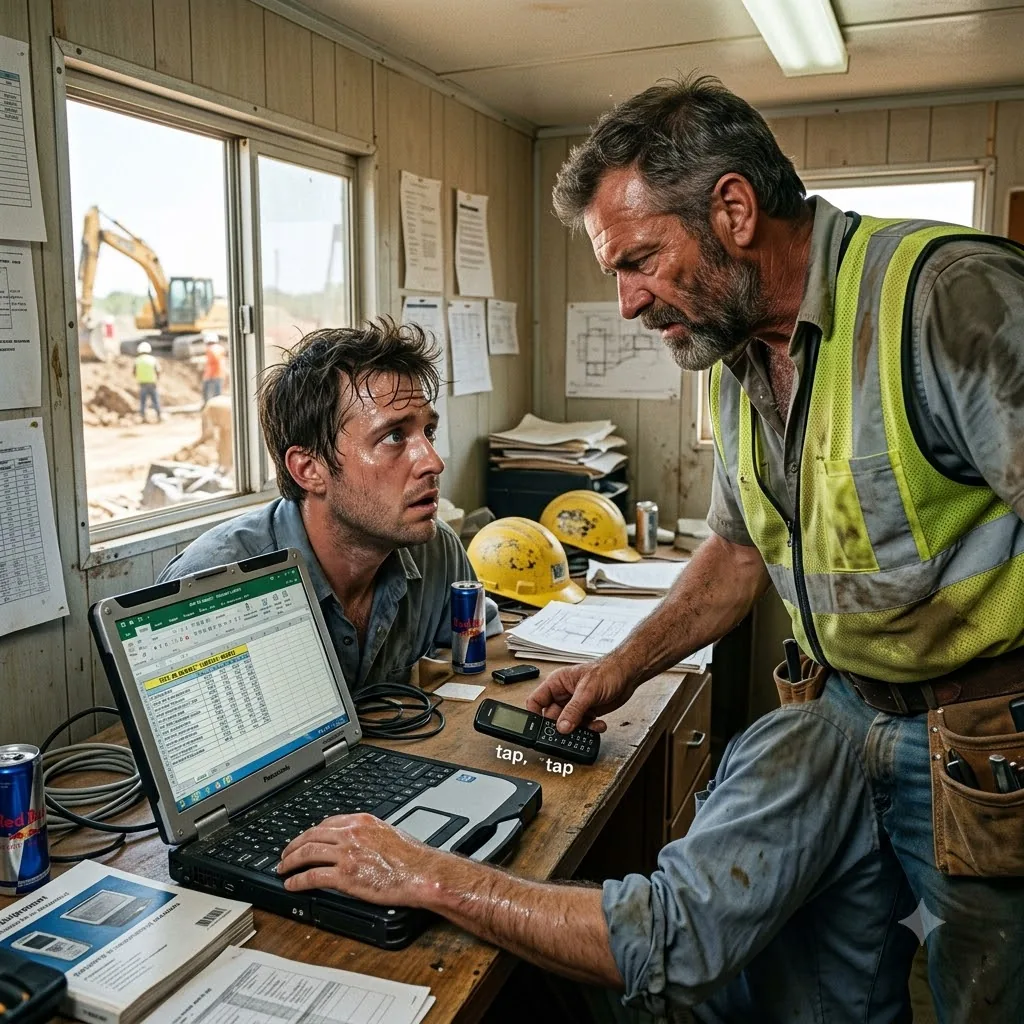
The cursor blinked at the edge of cell D42, a relentless rhythmic pulse. A flawless, color-coded Excel grid glowed on the laptop screen, a sharp, pristine rectangle of logic cutting through the suffocating heat of the construction trailer. Fine white drywall dust coated the keyboard, the folding table, and the damp collar of Arthur’s shirt. The box fan in the corner only pushed the ninety-degree air in lazy, gritty circles, rattling against the corrugated aluminum wall. Arthur barely felt the sweat dripping down his ribs, soaking into the cheap cotton of his clothes. His fingers hovered, rigid and aching, over the backspace key.
The glowing cells held sixty days of raw numbers. Eight weeks of rough framing. Four hundred and twelve hours logged by a man named Hector Tomas. Arthur stared at the sum at the bottom of the column, letting the basic math wash over him. It was a massive number for a laborer. It was enough to feed a family, pay rent, keep the lights on through the coming winter. It represented a man’s entire summer of backbreaking physical labor, reduced to a neat digital tally in twelve-point Arial font.
Arthur dragged a trembling wrist across his forehead, smearing a streak of chalky white dust over his brow. His eyes burned from the sweat and the relentless glare of the monitor. He needed the cash currently sitting in the grey metal lockbox under the desk. If he walked out of this baking tin can of a trailer without his manila envelope of untraceable bills today, the bank would take his house by Friday. There was no safety net left, no emergency fund, no bridges left unburned. This degrading, under-the-table bookkeeping gig was the last rung on a very long, very steep ladder he had tumbled down.
He swallowed hard, tasting grit and old coffee. The humiliation of sitting on a broken folding chair in a sweltering box meant absolutely nothing compared to the raw terror of sleeping in his sedan. He had mapped out the logistics of living in his car late at night, and the sheer panic of it kept him chained to this plastic table, formatting cells for a man he despised.
A massive shadow blocked the harsh sunlight filtering through the grime-streaked window. Ray, the general contractor, leaned heavily over Arthur’s shoulder. The trailer floorboards groaned under his steel-toed boots. He smelled of menthol cigarettes, dried sweat, and cheap pine air freshener, his bulk trapping the stale, hot air around the laptop. Ray did not look at the intricate formulas on the screen. He looked at Arthur’s shaking hands.
“Highlight the row,” Ray commanded, his voice flat and heavy in the cramped space.
Arthur hesitated, his finger trembling over the trackpad. The heat in the trailer felt suddenly oppressive, pressing down on his chest, making it impossible to draw a full breath. He moved the cursor, clicking the far-left edge of the row labeled ‘Tomas, H – Rough Framing’. The entire line turned a pale, bruised blue. Dates, hours, hourly rates, and the final, heavy total. All of it highlighted, waiting for the executioner’s stroke.
“I can’t balance the master sheet if I just wipe it,” Arthur said, keeping his eyes locked on the screen. He was terrified that if he looked up, Ray would see the absolute desperation in his eyes, the weakness that made him an easy mark. “The lumber supply invoices are already tied to these specific dates. The formulas will break. It leaves a massive hole in the labor allocation column.”
Ray exhaled a thick cloud of stale breath that washed over the side of Arthur’s face. “You’re not balancing a master sheet. You’re erasing Hector.”
The box fan rattled louder as it oscillated, blowing a loose hardware store receipt across the scratched linoleum floor. Arthur stared at the blue line. Erasing it meant Hector got nothing. Two months of swinging a framing hammer in the unforgiving July sun, vanished into the digital void with a single keystroke. If Arthur pressed the key, Hector would go home to an empty bank account, a stolen summer. If Arthur took his hand off the keyboard and stood up, Arthur would lose his own home. The bright red eviction notices were already piled on his kitchen counter, waiting for Friday morning.
“He framed the entire west wing,” Arthur said. The words tasted like ash. He was bargaining for a man he had never met, desperately hoping to find a microscopic shred of logistical leverage to avoid pulling the trigger. “The city inspector already signed off on the framing. There has to be a labor record for the permit.”
Ray shifted his weight. He reached into the chest pocket of his neon reflective vest. He pulled out a cheap, plastic prepaid cell phone. The screen was severely cracked, the dark grey casing scuffed and dented from being tossed into truck cabs and heavy toolboxes.
Ray brought the heavy edge of the phone down hard on the corner of the folding table.
Arthur flinched violently, pulling his hands back from the keyboard and pressing his forearms against his chest. A cloud of drywall dust exploded into the air from the impact, dancing in the harsh shafts of sunlight.
“He didn’t frame anything,” Ray said, tapping the burner phone rhythmically against the particle board desk. The sound was sharp, loud, and entirely devoid of patience. “He was never here. He never stepped foot on this site. Press delete.”
Arthur stared at the cracked plastic casing of the burner phone tapping against the wood, the rhythmic sound pounding against his temples.
“Now,” Ray said, lifting the phone and slamming it down.
The cursor blinked at the edge of cell D42, a relentless rhythmic pulse. A flawless, color-coded Excel grid glowed on the laptop screen, a sharp, pristine rectangle of logic cutting through the suffocating heat of the construction trailer. Fine white drywall dust coated the keyboard, the folding table, and the damp collar of Arthur’s shirt. The box fan in the corner only pushed the ninety-degree air in lazy, gritty circles, rattling against the corrugated aluminum wall. Arthur barely felt the sweat dripping down his ribs, soaking into the cheap cotton of his clothes. His fingers hovered, rigid and aching, over the backspace key.
The glowing cells held sixty days of raw numbers. Eight weeks of rough framing. Four hundred and twelve hours logged by a man named Hector Tomas. Arthur stared at the sum at the bottom of the column, letting the basic math wash over him. It was a massive number for a laborer. It was enough to feed a family, pay rent, keep the lights on through the coming winter. It represented a man’s entire summer of backbreaking physical labor, reduced to a neat digital tally in twelve-point Arial font.
Arthur dragged a trembling wrist across his forehead, smearing a streak of chalky white dust over his brow. His eyes burned from the sweat and the relentless glare of the monitor. He needed the cash currently sitting in the grey metal lockbox under the desk. If he walked out of this baking tin can of a trailer without his manila envelope of untraceable bills today, the bank would take his house by Friday. There was no safety net left, no emergency fund, no bridges left unburned. This degrading, under-the-table bookkeeping gig was the last rung on a very long, very steep ladder he had tumbled down.
He swallowed hard, tasting grit and old coffee. The humiliation of sitting on a broken folding chair in a sweltering box meant absolutely nothing compared to the raw terror of sleeping in his sedan. He had mapped out the logistics of living in his car late at night, and the sheer panic of it kept him chained to this plastic table, formatting cells for a man he despised.
A massive shadow blocked the harsh sunlight filtering through the grime-streaked window. Ray, the general contractor, leaned heavily over Arthur’s shoulder. The trailer floorboards groaned under his steel-toed boots. He smelled of menthol cigarettes, dried sweat, and cheap pine air freshener, his bulk trapping the stale, hot air around the laptop. Ray did not look at the intricate formulas on the screen. He looked at Arthur’s shaking hands.
“Highlight the row,” Ray commanded, his voice flat and heavy in the cramped space.
Arthur hesitated, his finger trembling over the trackpad. The heat in the trailer felt suddenly oppressive, pressing down on his chest, making it impossible to draw a full breath. He moved the cursor, clicking the far-left edge of the row labeled ‘Tomas, H – Rough Framing’. The entire line turned a pale, bruised blue. Dates, hours, hourly rates, and the final, heavy total. All of it highlighted, waiting for the executioner’s stroke.
“I can’t balance the master sheet if I just wipe it,” Arthur said, keeping his eyes locked on the screen. He was terrified that if he looked up, Ray would see the absolute desperation in his eyes, the weakness that made him an easy mark. “The lumber supply invoices are already tied to these specific dates. The formulas will break. It leaves a massive hole in the labor allocation column.”
Ray exhaled a thick cloud of stale breath that washed over the side of Arthur’s face. “You’re not balancing a master sheet. You’re erasing Hector.”
The box fan rattled louder as it oscillated, blowing a loose hardware store receipt across the scratched linoleum floor. Arthur stared at the blue line. Erasing it meant Hector got nothing. Two months of swinging a framing hammer in the unforgiving July sun, vanished into the digital void with a single keystroke. If Arthur pressed the key, Hector would go home to an empty bank account, a stolen summer. If Arthur took his hand off the keyboard and stood up, Arthur would lose his own home. The bright red eviction notices were already piled on his kitchen counter, waiting for Friday morning.
“He framed the entire west wing,” Arthur said. The words tasted like ash. He was bargaining for a man he had never met, desperately hoping to find a microscopic shred of logistical leverage to avoid pulling the trigger. “The city inspector already signed off on the framing. There has to be a labor record for the permit.”
Ray shifted his weight. He reached into the chest pocket of his neon reflective vest. He pulled out a cheap, plastic prepaid cell phone. The screen was severely cracked, the dark grey casing scuffed and dented from being tossed into truck cabs and heavy toolboxes.
Ray brought the heavy edge of the phone down hard on the corner of the folding table.
Arthur flinched violently, pulling his hands back from the keyboard and pressing his forearms against his chest. A cloud of drywall dust exploded into the air from the impact, dancing in the harsh shafts of sunlight.
“He didn’t frame anything,” Ray said, tapping the burner phone rhythmically against the particle board desk. The sound was sharp, loud, and entirely devoid of patience. “He was never here. He never stepped foot on this site. Press delete.”
Arthur stared at the cracked plastic casing of the burner phone tapping against the wood, the rhythmic sound pounding against his temples.
“Now,” Ray said, lifting the phone and slamming it down.