Story code: ST-000356
Part 1: The Dead Worksite
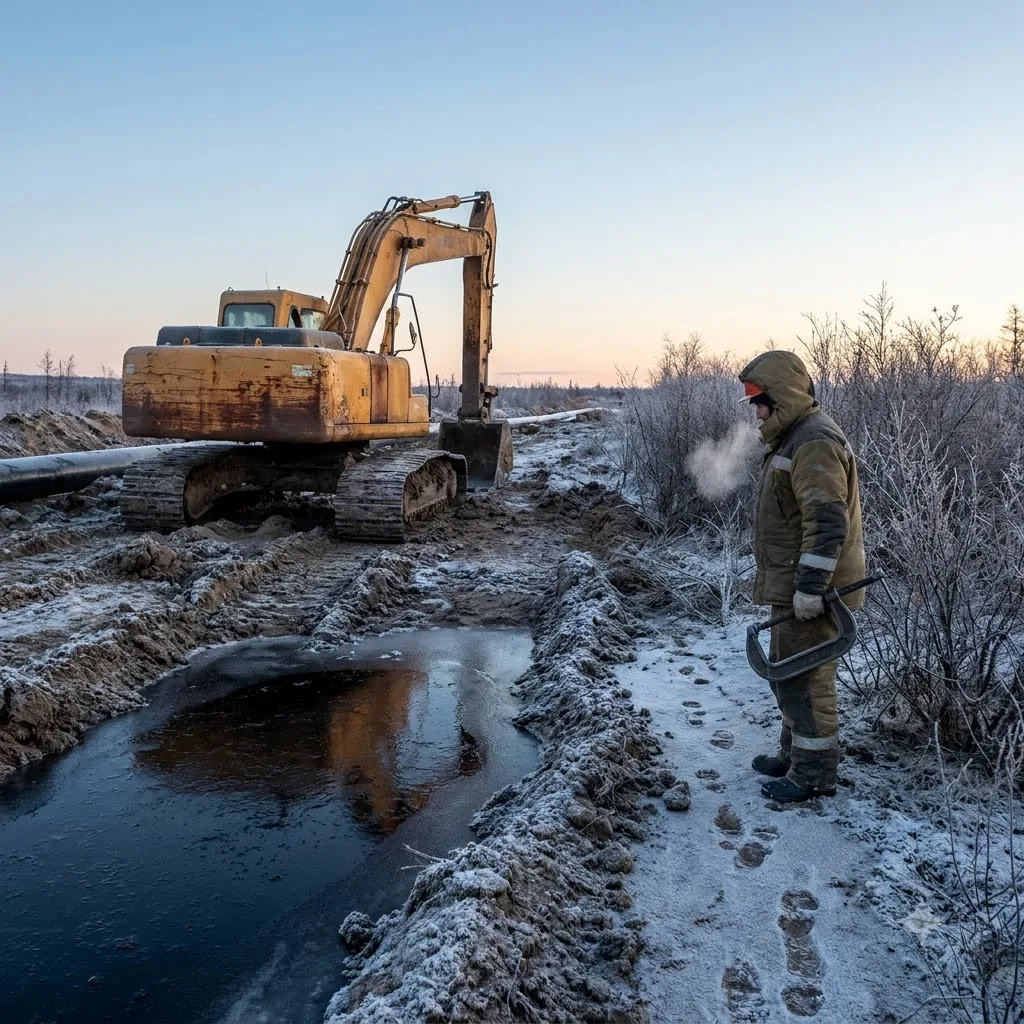
The chemical sting of bleach and raw hydraulic fluid caught in the back of my throat before my truck even rolled to a complete stop. It was five in the morning, the heavy frost thick enough to crunch under my tires, and the residential job site was supposed to be vibrating with the low hum of the massive diesel generator. Instead, I stepped out of the cab into a terrifying, hollow silence. The primary Cat 320 excavator sat dead in the hardened mud, its heavy steel bucket resting uselessly against a pile of untouched dirt. The metal fuel cap lay discarded in a frozen puddle beside the tracks.
I jogged over, my heavy flashlight beam cutting a pale yellow slice through the pre-dawn dark. A torn brown paper sack lay crumpled near the heavy steel treads. A thick dusting of white crystals coated the frost-rimmed metal of the access panel and spilled down the side of the chassis. Sugar. Someone had dumped bags of granulated sugar straight into the primary fuel tank. I swiped my thumb through the white powder and rubbed my fingers together, feeling the coarse grit that was currently settling into the fuel lines, ready to grind the massive engine blocks to a catastrophic halt the moment the ignition was turned. A dead excavator meant a dead worksite. Zero foundation trenches would be dug today.
My pulse hammered against my ribs as I pulled my phone from my heavy canvas jacket. I did not need to open the calculator app to run the numbers. The general contractor would dock my crew’s pay for the delay, citing a failure to secure the heavy machinery overnight. I was looking at a loss of at least three days of wages while a specialist mechanic was dragged out here to drop the tank, flush the lines, and replace every filter. Three days of lost wages equated exactly to the eight-hundred-and-fifty-dollar installment I owed in five days for my late sister’s hospital bills.
I had spent the last twenty-four months chipping away at that suffocating mountain of medical debt, surviving on generic ramen and instant coffee, taking every grueling overtime shift this development company threw my way. The collection agency had already sent their final warning letter on bright pink paper last Tuesday. One missed payment meant they would attach a lien to my parents’ house. I stood frozen in the cold, staring at the sugary residue on my calloused hands, calculating the exact moment my family’s last shred of financial stability would shatter. The panic became a physical weight, pressing down on my sternum until I could barely drag the freezing morning air into my lungs.
I forced myself to move, pacing the length of the excavator to check the hydraulic lines for slash marks. The harsh smell of bleach drifted from the portable toilets. Someone had kicked the plastic units over and doused the doors, ensuring the crew would be miserable even if we miraculously managed to work. I checked the skid steer next. The ignition wiring hung in loose, severed coils below the steering column. They had systematically disabled the entire earth-moving operation. The math in my head grew darker. This was not a three-day delay. This was a week. My chest tightened until I felt like my ribs were fracturing. My sister had fought her illness for four agonizing years, and I had promised her right before the end that I would protect our parents. I had sworn to keep them from drowning in the debt she left behind. Now, some faceless vandal with a grocery store bag of sugar and a pair of cheap wire cutters had just guaranteed my absolute ruin.
I pushed away from the yellow loader, the hot flush of anger finally burning through the cold panic. I pointed my Maglite at the frozen ground, sweeping the bright beam in slow, wide arcs across the torn-up earth. The frost had settled heavily around two in the morning, leaving a crisp white sheet over the churned mud. That was when the anomaly caught my eye. Fresh, deep muddy boot tracks pressed violently through the white frost, exposing the black, wet dirt underneath. The tread pattern was aggressive, heavily lugged like serious hiking boots, and the stride was wide and frantic. They started at the breached fuel tank of the excavator and moved in a hurried, staggered line past the metal tool shed.
I ignored the radio clipped to my belt. I kept my eyes locked on the dark indentations in the earth. The prints skirted the edge of the chain-link perimeter fence, leading right to a spot where the heavy security mesh had been sliced open with bolt cutters. Beyond the fence stood a thick wall of frost-covered brush and old-growth timber, a heavily wooded ravine slated for clearing next month. The muddy boot tracks went straight through the ragged gap in the wire and disappeared into the dense, tangled undergrowth. I squeezed the heavy metal barrel of my flashlight, ducked through the cut fence, and stepped into the trees.
The woods were utterly dark, the silence broken only by the sharp crunch of dead leaves beneath my own work boots. I kept the light pointed low, tracking the violently disturbed leaves and snapped saplings. The saboteur had not been careful in their blind retreat. The path was rushed, completely reckless. A heavy branch snapped in the darkness just ahead. I froze in my tracks, my thumb instantly clicking the flashlight off. The sudden blackness was absolute. I stood perfectly still, gripping the heavy flashlight like a club, listening to the heavy, frantic breathing of a person hiding less than twenty yards away.
The chemical sting of bleach and raw hydraulic fluid caught in the back of my throat before my truck even rolled to a complete stop. It was five in the morning, the heavy frost thick enough to crunch under my tires, and the residential job site was supposed to be vibrating with the low hum of the massive diesel generator. Instead, I stepped out of the cab into a terrifying, hollow silence. The primary Cat 320 excavator sat dead in the hardened mud, its heavy steel bucket resting uselessly against a pile of untouched dirt. The metal fuel cap lay discarded in a frozen puddle beside the tracks.
I jogged over, my heavy flashlight beam cutting a pale yellow slice through the pre-dawn dark. A torn brown paper sack lay crumpled near the heavy steel treads. A thick dusting of white crystals coated the frost-rimmed metal of the access panel and spilled down the side of the chassis. Sugar. Someone had dumped bags of granulated sugar straight into the primary fuel tank. I swiped my thumb through the white powder and rubbed my fingers together, feeling the coarse grit that was currently settling into the fuel lines, ready to grind the massive engine blocks to a catastrophic halt the moment the ignition was turned. A dead excavator meant a dead worksite. Zero foundation trenches would be dug today.
My pulse hammered against my ribs as I pulled my phone from my heavy canvas jacket. I did not need to open the calculator app to run the numbers. The general contractor would dock my crew’s pay for the delay, citing a failure to secure the heavy machinery overnight. I was looking at a loss of at least three days of wages while a specialist mechanic was dragged out here to drop the tank, flush the lines, and replace every filter. Three days of lost wages equated exactly to the eight-hundred-and-fifty-dollar installment I owed in five days for my late sister’s hospital bills.
I had spent the last twenty-four months chipping away at that suffocating mountain of medical debt, surviving on generic ramen and instant coffee, taking every grueling overtime shift this development company threw my way. The collection agency had already sent their final warning letter on bright pink paper last Tuesday. One missed payment meant they would attach a lien to my parents’ house. I stood frozen in the cold, staring at the sugary residue on my calloused hands, calculating the exact moment my family’s last shred of financial stability would shatter. The panic became a physical weight, pressing down on my sternum until I could barely drag the freezing morning air into my lungs.
I forced myself to move, pacing the length of the excavator to check the hydraulic lines for slash marks. The harsh smell of bleach drifted from the portable toilets. Someone had kicked the plastic units over and doused the doors, ensuring the crew would be miserable even if we miraculously managed to work. I checked the skid steer next. The ignition wiring hung in loose, severed coils below the steering column. They had systematically disabled the entire earth-moving operation. The math in my head grew darker. This was not a three-day delay. This was a week. My chest tightened until I felt like my ribs were fracturing. My sister had fought her illness for four agonizing years, and I had promised her right before the end that I would protect our parents. I had sworn to keep them from drowning in the debt she left behind. Now, some faceless vandal with a grocery store bag of sugar and a pair of cheap wire cutters had just guaranteed my absolute ruin.
I pushed away from the yellow loader, the hot flush of anger finally burning through the cold panic. I pointed my Maglite at the frozen ground, sweeping the bright beam in slow, wide arcs across the torn-up earth. The frost had settled heavily around two in the morning, leaving a crisp white sheet over the churned mud. That was when the anomaly caught my eye. Fresh, deep muddy boot tracks pressed violently through the white frost, exposing the black, wet dirt underneath. The tread pattern was aggressive, heavily lugged like serious hiking boots, and the stride was wide and frantic. They started at the breached fuel tank of the excavator and moved in a hurried, staggered line past the metal tool shed.
I ignored the radio clipped to my belt. I kept my eyes locked on the dark indentations in the earth. The prints skirted the edge of the chain-link perimeter fence, leading right to a spot where the heavy security mesh had been sliced open with bolt cutters. Beyond the fence stood a thick wall of frost-covered brush and old-growth timber, a heavily wooded ravine slated for clearing next month. The muddy boot tracks went straight through the ragged gap in the wire and disappeared into the dense, tangled undergrowth. I squeezed the heavy metal barrel of my flashlight, ducked through the cut fence, and stepped into the trees.
The woods were utterly dark, the silence broken only by the sharp crunch of dead leaves beneath my own work boots. I kept the light pointed low, tracking the violently disturbed leaves and snapped saplings. The saboteur had not been careful in their blind retreat. The path was rushed, completely reckless. A heavy branch snapped in the darkness just ahead. I froze in my tracks, my thumb instantly clicking the flashlight off. The sudden blackness was absolute. I stood perfectly still, gripping the heavy flashlight like a club, listening to the heavy, frantic breathing of a person hiding less than twenty yards away.